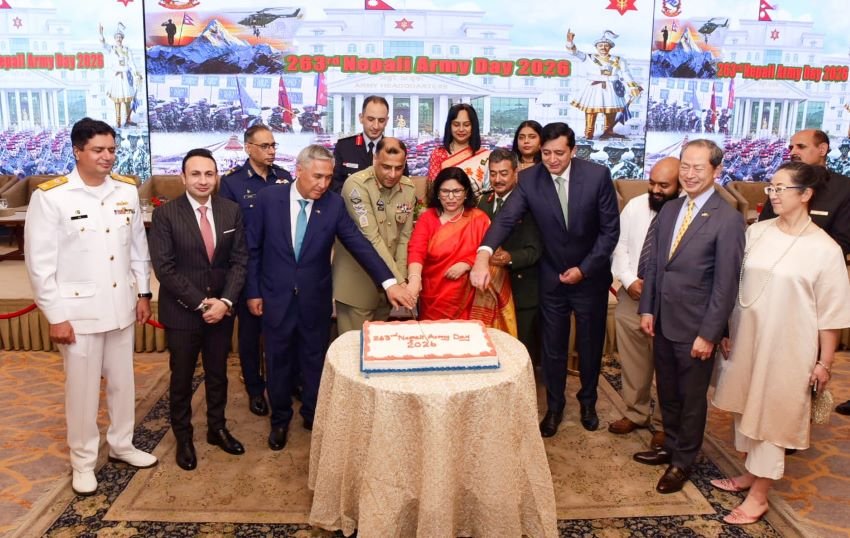
Islamabad (TDI): Ambassador of Nepal to Pakistan, Rita Dhital, paid tribute to the discipline, dedication, and sense of duty of Nepali armed forces, saying their legacy continues to inspire generations.
She also expressed sincere appreciation for the families of service members, acknowledging their invaluable support.
Addressing the ceremony marking the 263rd anniversary of the founding of the Nepali Army, the envoy noted that Nepal’s military is widely recognized for its contributions beyond national borders, particularly as one of the leading contributors to United Nations peacekeeping missions. Nepal, she said, has consistently demonstrated its commitment to global peace and security, with its personnel serving with honour in some of the world’s most challenging environments.
Highlighting bilateral ties, the ambassador said relations between Nepal and Pakistan are characterised by mutual respect, trust, and cooperation. She underscored that defense relations have strengthened over the years through training exchanges, professional interactions, and shared experiences, fostering not only institutional collaboration but also lasting friendships. She appreciated the support extended by the Pakistan Armed Forces in providing training opportunities and enhancing professional cooperation.
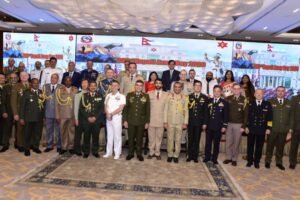
Speaking on the occasion, Brig. Gen. Bhes Bahadur KC, Military Attaché of Nepal to Pakistan, said the Nepali army’s history dates back to 1763, when Prithvi Narayan Shah, the founder of modern Nepal, initiated the unification campaign.
He said that for over two and a half centuries, the Nepali Army has remained a symbol of bravery, discipline, and resilience, playing a vital role not only in safeguarding sovereignty but also in ensuring peace and prosperity. The army also serves as a first responder during natural disasters and contributes to national infrastructure development.
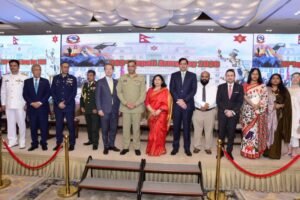
On the global stage, he noted that since 1958, Nepali troops have actively participated in UN peacekeeping missions. He added that both Nepal and Pakistan consistently rank among the top troop-contributing countries, reflecting their shared commitment to international peace and stability.
Brig. Gen. KC paid tribute to the sacrifices of military personnel and acknowledged the support of their families, emphasizing that their contributions are equally vital to national service.
Read More: Tirich Mir Summit Key Step in Adventure Tourism in Pakistan: Nepalese Envoy
He also highlighted recent political developments in Nepal, noting that following the general elections, a new government led by Prime Minister Palin Rasha has taken office, with a focus on governance reforms and economic transformation. He said Nepal’s foreign policy aims to promote development through diplomacy, as well as economic, cultural, and technological cooperation.
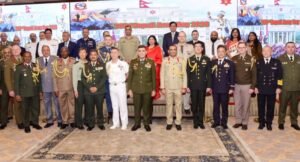
Referring to bilateral relations, Brig. Gen. KC said Nepal and Pakistan share an enduring friendship and there is significant potential to expand cooperation across multiple sectors. He stressed that military collaboration remains a key pillar of the relationship, particularly through long-standing training exchanges that have contributed to the professional development of Nepali personnel. He added that Nepali officers have achieved outstanding results in various training programsin Pakistan.
Read More: Pakistan, Nepal Lawmakers Pledge Cooperation on Gender Equality, Climate Justice
Concluding his remarks, he extended warm greetings on the Nepali New Year, Vikram Samvat 2083, and highlighted that April 15 has been declared International Wellness Day by the United Nations General Assembly on Nepal’s proposal. He wished everyone good health, happiness, and well-being.
Sohail Majeed
Sohail Majeed is a Special Correspondent at The Diplomatic Insight. He has twelve plus years of experience in journalism & reporting. He covers International Affairs, Diplomacy, UN, Sports, Climate Change, Economy, Technology, and Health.