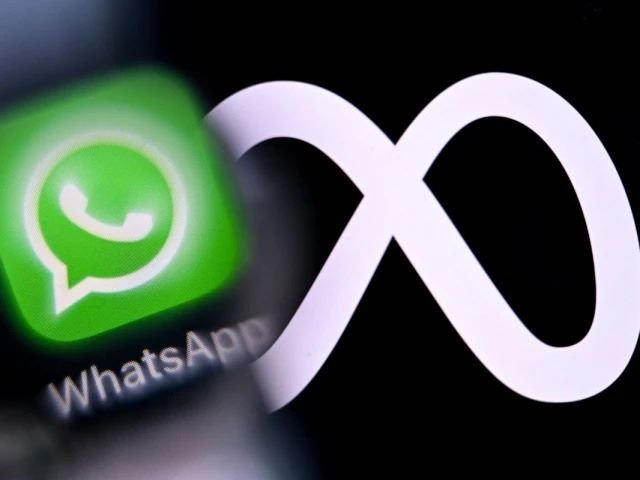
Moscow (TDI): Russia has officially confirmed that access to WhatsApp has been blocked nationwide, marking a significant escalation in the country’s tightening control over foreign digital platforms.
Kremlin spokesperson Dmitry Peskov said authorities had taken action against the messaging service owned by Meta Platforms, citing the company’s alleged failure to comply with Russian legislation. He suggested that if Meta chose to engage in dialogue and align with domestic legal requirements, there could still be room for discussion. Otherwise, he indicated, there would be “no chance” of restoring normal operations.
The move effectively renders WhatsApp inaccessible within Russia unless users rely on virtual private networks (VPNs). Several domain names linked to the service have reportedly been removed from Russia’s national domain registry, preventing devices inside the country from resolving the app’s IP addresses.
WhatsApp responded sharply, accusing Russian authorities of attempting a full blockade to steer users toward a new state-backed messaging platform called MAX. In a statement, the company argued that isolating more than 100 million users from secure communication would undermine digital safety rather than enhance it, adding that it would continue efforts to keep Russians connected.
Russia’s communications regulator, Roskomnadzor, had already begun restricting WhatsApp and other foreign messaging services in August by limiting voice call functionality. Officials have accused such platforms of failing to cooperate in investigations related to fraud and terrorism. In December, regulators announced further measures, claiming the app was being used to organize extremist activities and other crimes.
Read More: WhatsApp Introduces New Chat Typing Indicators
The crackdown fits into a broader pattern of restricting foreign social media platforms. Authorities have previously blocked or limited services such as Facebook, Instagram, YouTube and Snapchat.
Meanwhile, Russian officials are actively promoting MAX as a domestic alternative, describing it as a multifunctional platform that integrates government digital services and banking features. Critics, however, argue that the state-backed app could enable increased surveillance of users, an allegation authorities deny.
Read More: Cloudflare and WhatsApp Team Up for User Security
With WhatsApp now largely inaccessible without VPNs, many Russians have shifted to alternative messaging apps, though some, including Telegram, also reportedly face regulatory pressure. The development underscores the Kremlin’s continued push for digital sovereignty and greater control over online communications within the country.

Established in December 2008, The Diplomatic Insight is Pakistan’s premier diplomacy and foreign affairs magazine, available in both digital and print formats.