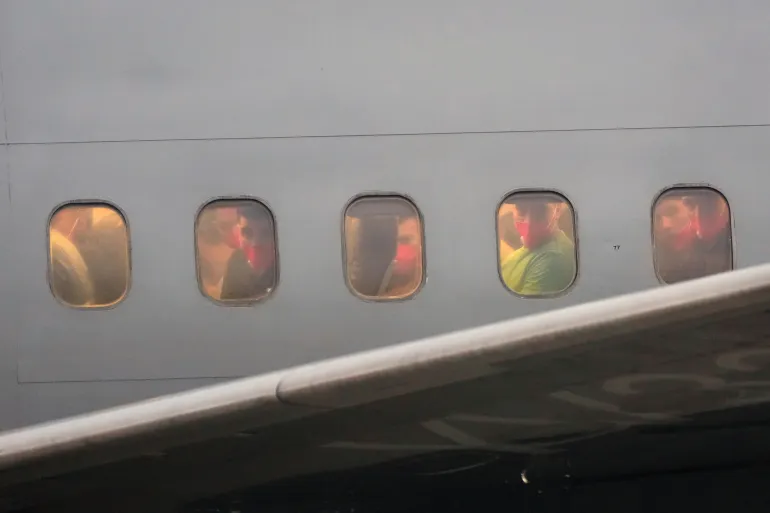
The Democratic Republic of Congo (DRC) has agreed to accept migrants deported from the United States under a controversial “third-country” arrangement, becoming the latest African nation drawn into Washington’s expanding immigration enforcement strategy.
Under the deal, announced over the weekend, Congo will begin receiving deportees as early as April, according to government officials in Kinshasa. The individuals are not Congolese nationals but migrants from other countries whom the United States is unable to return to their homelands.
Authorities described the agreement as a “temporary” humanitarian measure, with all logistical and financial costs to be covered by the US government. Officials also stressed that each case would be reviewed individually under Congolese law, rather than allowing automatic transfers.
The move places Congo among a growing list of countries, including Uganda, Ghana, and Rwanda, that have entered similar arrangements with Washington.
These deals form part of a broader policy push to accelerate deportations, particularly in cases where migrants cannot be repatriated to their countries of origin.
Read More: US Sends Second Third‑Country Deportation Flight to Eswatini
However, the policy has drawn mounting criticism from human rights organizations and legal experts, who argue that sending migrants to countries with which they have no connection raises serious ethical and legal questions.
Critics warn that deportees may face unsafe conditions, lack legal protections, or be placed in uncertain immigration status upon arrival.
Reports indicate that the United States has already spent tens of millions of dollars facilitating such deportations, relocating hundreds of migrants to third countries over the past year.
US engagement with Congo has intensified in recent months, tied not only to migration policy but also to diplomatic efforts in the conflict-hit eastern region and access to the country’s vast reserves of critical minerals.
Despite government assurances, concerns remain about Congo’s capacity to host additional migrants. The country is already grappling with internal displacement, ongoing conflict in its eastern provinces, and significant humanitarian challenges.
As flights are expected to begin soon, the agreement is likely to intensify debate over US’ immigration enforcement and its human consequences.