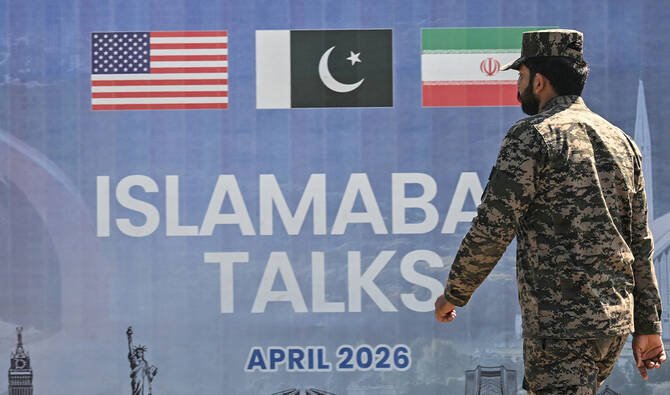
The Middle East once again finds itself caught between diplomacy and escalation. While American and Iranian negotiators continue exploring frameworks for de-escalation, military developments across the region suggest that the prospects for a durable peace remain uncertain. Recent events involving Iran, Israel, Lebanon, and the Strait of Hormuz reveal a widening gap between diplomatic ambitions and strategic realities on the ground.
At the center of this evolving crisis is the apparent contradiction between ongoing negotiations and expanding military operations. Reports emerged recently of discussions surrounding a proposed $300 billion reconstruction and investment mechanism for Iran.
While Tehran reportedly viewed the proposal as a form of compensation for economic and infrastructural damage, American negotiators deliberately framed it as an international investment fund. The distinction is politically significant. Iran seeks recognition of its losses and economic rehabilitation, while Washington prefers an investment-based framework that avoids the legal and political implications associated with reparations.
This disagreement over terminology reflects a deeper challenge. Both sides may be discussing the same economic figure, yet they continue to interpret its meaning through entirely different strategic lenses. Such differences are common in diplomacy, where language often becomes a tool for bridging political divides.
Read More: Khamenei Adviser Accuses Trump of ‘Betraying Diplomacy’ Over Iran Naval Blockade
However, successful agreements require more than creative wording; they require mutual confidence that commitments will be honored. Unfortunately, events on the battlefield are undermining precisely that confidence.
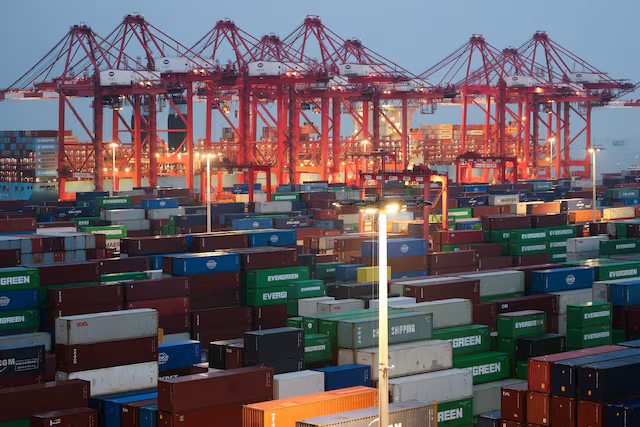
Iran has signaled its dissatisfaction with recent military developments, including Israeli operations in Lebanon and American strikes targeting Iranian-linked assets. Tehran has reportedly suspended aspects of ongoing dialogue, while tensions surrounding the Strait of Hormuz have again raised concerns among global markets. This narrow waterway remains one of the world’s most critical maritime corridors, carrying roughly one-fifth of internationally traded oil.
Any disruption would have immediate consequences for global energy prices, inflation, and economic stability. The importance of Hormuz extends far beyond the Persian Gulf. Countries across Asia, Europe, and the developing world depend heavily on energy supplies that pass through the strait.
Consequently, what may appear to be a regional dispute carries global economic implications. History has repeatedly demonstrated that instability in Hormuz quickly reverberates throughout international markets. At the same time, another important transformation is taking place in Israel’s military strategy.
Since the October 2023 attacks, Israel has increasingly emphasized territorial control as a means of achieving long-term security objectives. Israeli planners argue that air power alone cannot eliminate militant infrastructure or prevent future attacks. Instead, sustained security requires physical control of strategic areas from which hostile actors operate.
This logic has shaped Israeli operations in Gaza and increasingly appears to be influencing military actions in southern Lebanon. Israeli officials argue that expanding security zones reduces the operational freedom of Hezbollah and pushes threats farther from Israeli population centers. Critics, however, warn that such measures risk deepening regional instability and creating conditions for a prolonged conflict.
What makes the current situation particularly complex is the divergence emerging between Washington and Tel Aviv. The United States seeks regional stability, uninterrupted energy flows, and a diplomatic understanding with Iran that prevents a wider war. Israel’s immediate priorities are different. Its focus remains centered on neutralizing security threats posed by Hamas and Hezbollah, regardless of broader diplomatic calculations.
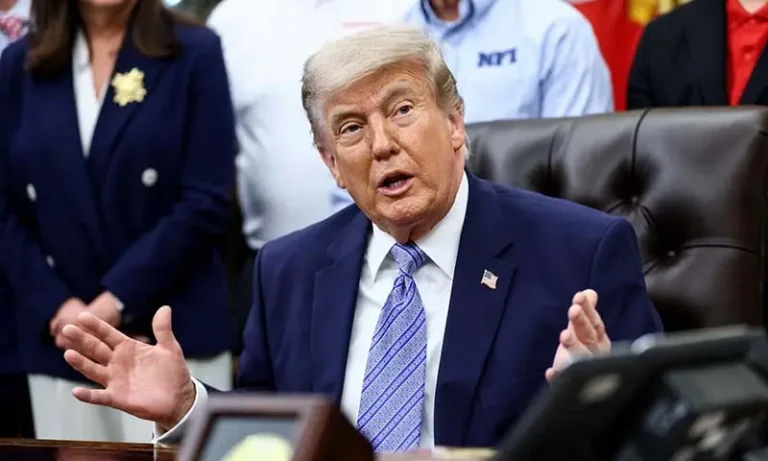
This divergence has become increasingly visible in reports suggesting tensions between President Donald Trump and Prime Minister Benjamin Netanyahu over the pace and direction of regional developments. While Washington appears interested in preserving diplomatic momentum, Israeli leaders remain committed to military objectives they consider essential for national security.
The result is a region operating on two parallel tracks. Diplomats continue negotiating frameworks for peace, economic cooperation, and de-escalation. Military commanders continue pursuing operational objectives designed to alter realities on the ground. Each side believes its actions are necessary, yet together they create a cycle in which diplomacy struggles to keep pace with conflict.
Read More: Iran Strikes US Air Base After American Attacks on Military Sites
This dynamic highlights a broader lesson about contemporary international politics. Peace agreements do not succeed merely because negotiators reach consensus. They succeed when political, military, and strategic incentives align. At present, those incentives remain fragmented across the Middle East. Iran seeks economic relief and strategic guarantees.
The United States seeks stability without deeper military involvement. Israel seeks security through deterrence and territorial control. These objectives are not entirely incompatible, but neither are they fully aligned. Consequently, the region finds itself in a dangerous transitional moment.
The possibility of diplomacy remains alive, yet every new military escalation weakens public confidence in negotiations. Likewise, every diplomatic breakthrough risks being overtaken by developments on the battlefield.
The central challenge facing regional and international leaders is therefore not simply reaching an agreement. It is ensuring that diplomacy and military realities move in the same direction. Until that happens, ceasefires will remain fragile, negotiations will remain uncertain, and the prospect of a broader regional confrontation will continue to loom over the Middle East.
Today, the region is caught between two competing realities: diplomats discussing peace in conference rooms and military forces reshaping the strategic landscape on the ground. Unless these realities converge, peace will remain more aspirational than achievable.
*The views presented in this article are the authors’ own and do not necessarily reflect the views of The Diplomatic Insight.

Shafqat Ali
Shafqat Ali is a Master’s student of Political Science at Universitas Airlangga, Surabaya, Indonesia. He can be reached at shafqat.ali-2024@fisip.unair.ac.id