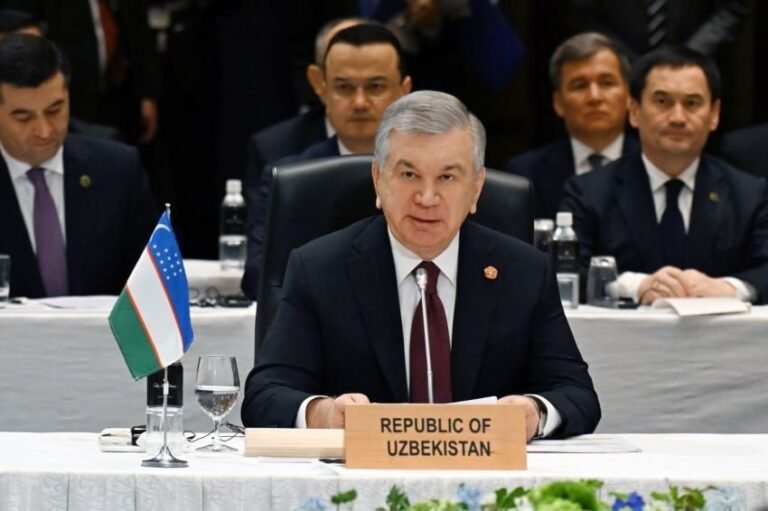
Samarkand (TDI): Uzbekistan opened a major environmental trade exhibition in Samarkand on Tuesday, using the ancient Silk Road city’s growing profile on the international stage to attract investors, development banks, and clean technology companies.
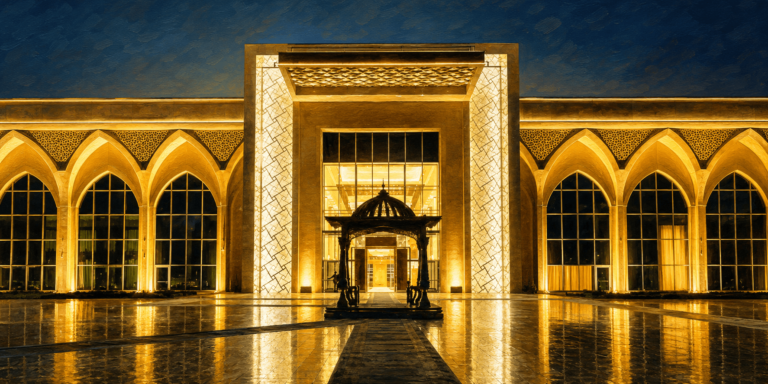
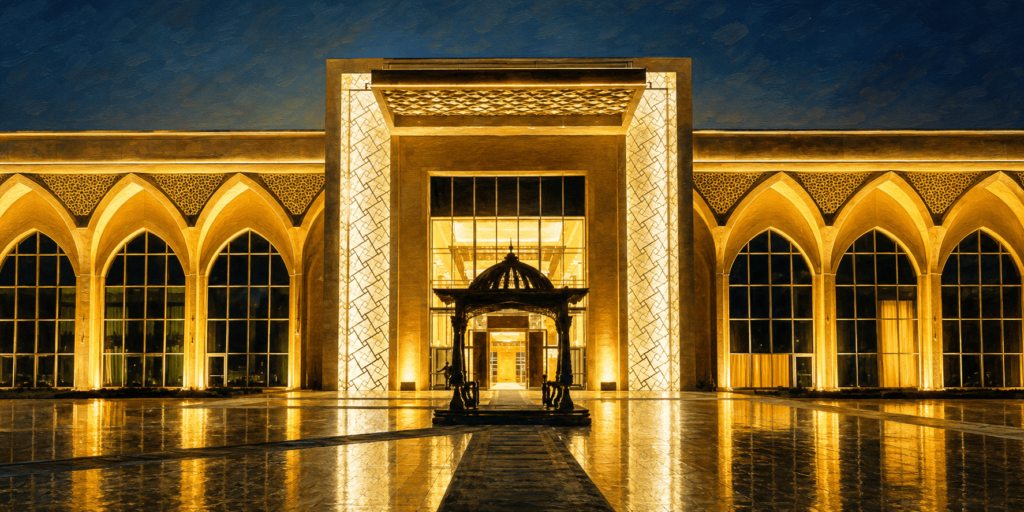
Eco Expo Central Asia 2026 launched on June 2 at the Expo Center of Silk Road Samarkand, bringing together government officials, lenders, scientists, and environmental groups.
The three-day exhibition runs alongside the Eighth Assembly of the Global Environment Facility, one of the premier global forums for environmental finance.
The dual events hand Uzbekistan an unusually concentrated week of international attention. The GEF Assembly, whose membership spans 186 countries, meets only once every four years and represents the fund’s highest governing body.
Having both events in the same city at the same time is a calculated move by Tashkent to position Uzbekistan as a serious partner for green investment rather than a passive recipient of aid.
Read More: Samarkand Conference Prioritizes Conservation Over Controversial Wildlife Trade
The expo’s exhibition sections span protected natural areas, clean technology, green construction, sustainable agriculture, water-saving technologies, and artificial intelligence in ecology, among others.
Organizers expect roughly 10,000 participants and more than 68 pavilions showcasing environmental products, with an additional 20 pavilions dedicated to Central Asian startup projects.
The World Bank has warned that by 2030, at least eight million people in Uzbekistan could be living in areas of very high climate risk, and that without adaptation the economy could be 10% smaller by 2050 than it would otherwise be.
Agriculture, which accounts for roughly a quarter of national GDP, uses around 90% of the country’s water; a resource under mounting pressure as glaciers retreat and rainfall grows less predictable.
The Aral Sea looms over the entire discussion. Once the world’s fourth-largest lake, it has shrunk to roughly 10% of its original size following Soviet-era irrigation projects that diverted its feeding rivers.
Read More: UNESCO Samarkand Summit Recognizes Uzbekistan’s Role in Preserving World Heritage
The nearby town of Moynaq, formerly a fishing port with canneries and beaches, now sits amid a desert scattered with rusting, abandoned vessels.
Uzbekistan already has a foothold with the GEF. Its current portfolio includes 13 projects worth $56 million and five more in the pipeline worth over $30 million, covering biodiversity, snow leopard protection, Aral Sea ecosystem restoration, and waste management.
On the diplomatic front, Uzbekistan arrived in Samarkand with updated climate commitments in hand. At COP30 in November 2025, the country submitted a pledge to cut greenhouse gas emissions per unit of GDP by 50% from 2010 levels by 2035, with a longer-term goal of net zero by 2055.
Regional water cooperation is also on the agenda. Uzbekistan and its four Central Asian neighbors have joined a GEF-backed program with a $30 million budget focused on water and land management, with FAO participation, addressing desertification, biodiversity, and climate resilience across the Amu Darya and Syr Darya basins.