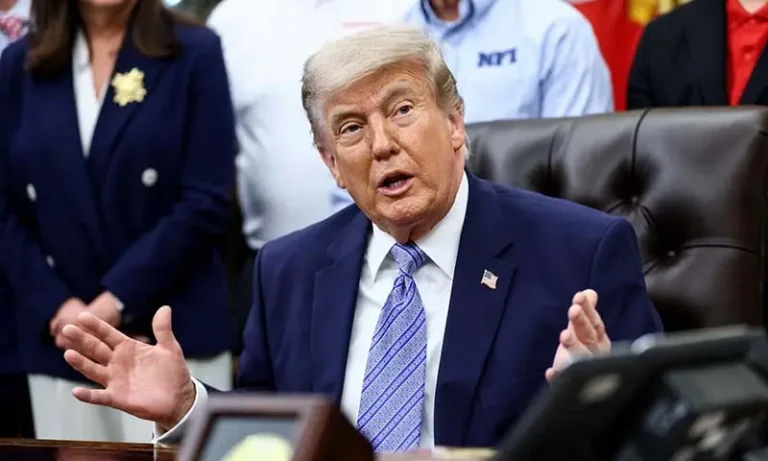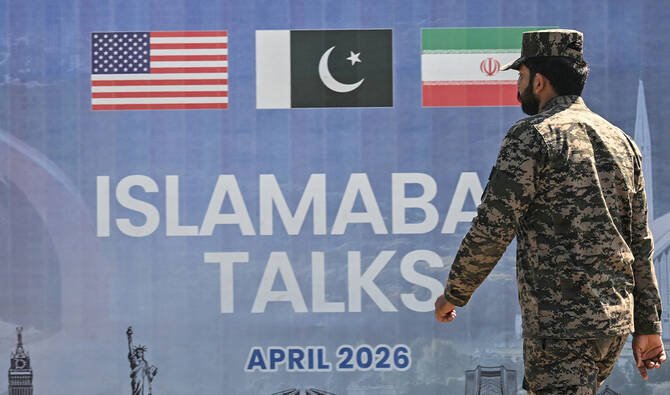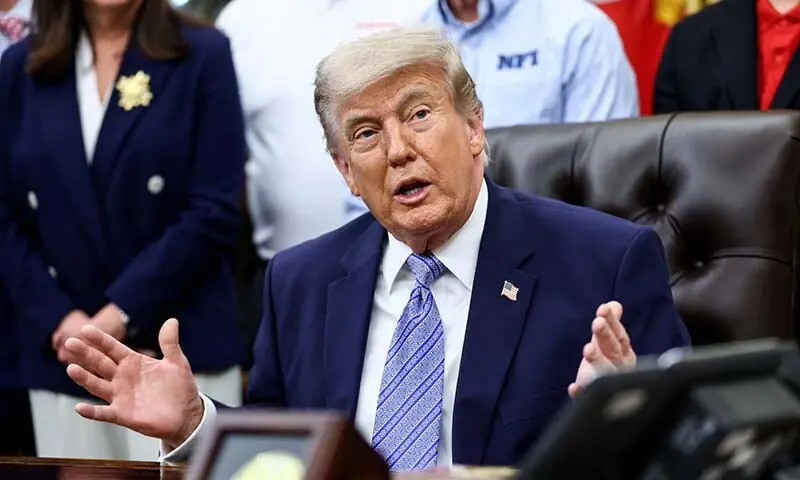
Washington (TDI): US President Donald Trump has said he “would like to meet” Iran’s Supreme Leader Mojtaba Khamenei, suggesting a possible breakthrough in ongoing efforts to ease tensions between Washington and Tehran.
Trump said in remarks during a podcast interview that Iran’s leadership is actively involved in negotiations with the United States and has approved key elements of the ongoing discussions. He added that communication channels remain open and that the situation is “rapidly evolving” in a positive direction.
He further suggested that Iran has already agreed not to pursue nuclear weapons, framing it as a central outcome of the talks. Trump also indicated that there is currently no need for US ground forces, signaling continued preference for diplomatic engagement over military escalation.
His comments come amid continued uncertainty over the status of US–Iran talks, which have fluctuated between claims of progress and reports of stalled communication.
Read More: Khamenei Adviser Accuses Trump of ‘Betraying Diplomacy’ Over Iran Naval Blockade
At the same time, tensions in the Gulf remain high. Iran’s Foreign Ministry strongly condemned US attacks on an Iranian oil tanker in the Strait of Hormuz and a telecommunications facility on Qeshm Island, saying the actions violated international law and a fragile ceasefire understanding.
Tehran further accused Kuwait and Bahrain of bearing “direct and clear responsibility” for the incidents, alleging that their territory and facilities were used to support US military operations. Both countries have not publicly responded to the allegations.
Iranian officials reiterated that the country reserves the right to self-defense and warned that it would respond to any future attacks, including targeting their sources. Foreign Ministry statements also accused what it called “American-Zionist aggressors” of fueling instability in the region.
Read More: Trump Says Iran Deal ‘Largely Negotiated,’ Includes Hormuz Reopening
Senior Iranian officials, including Expediency Council member and former IRGC commander Mohsen Rezaee, warned that Tehran would not accept pressure in negotiations or ceasefire arrangements. He said any further strikes would be met with retaliation, reinforcing Iran’s position that it would respond forcefully to perceived aggression.
The competing narratives reflect the continued volatility in the Gulf, where diplomatic engagement and military tensions are unfolding simultaneously, leaving the broader direction of US–Iran relations uncertain.