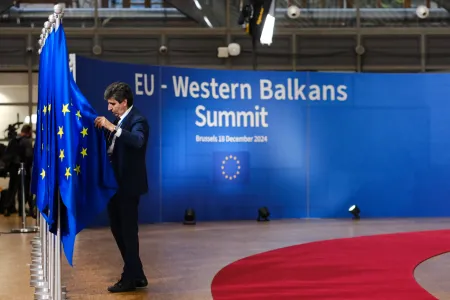
Tivat (TDI): Against the backdrop of the Adriatic coast, European Union leaders convene this Friday in Tivat for a summit that carries unusual weight.
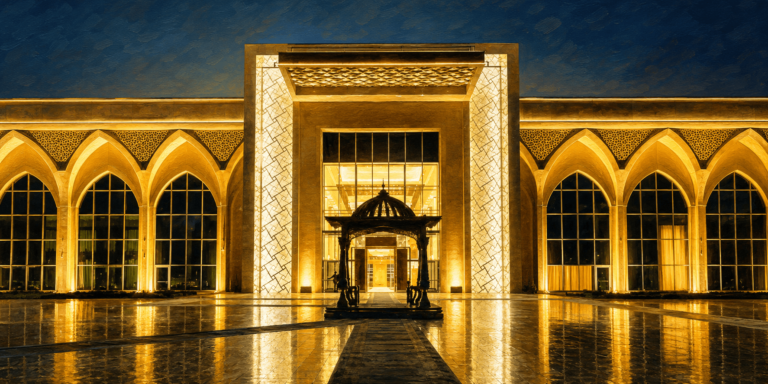
Montenegro is hosting the EU–Western Balkans Summit at Porto Montenegro in Tivat, on the shores of the Bay of Kotor, the first meeting of such international importance in the country’s history.
The summit is expected to be attended by European Council President António Costa, European Commission President Ursula von der Leyen, European Parliament President Roberta Metsola, EU High Representative Kaja Kallas.
Several heads of government including French President Emmanuel Macron, German Chancellor Friedrich Merz, Italian Prime Minister Giorgia Meloni, Danish Prime Minister Mette Frederiksen, and Spanish Prime Minister Pedro Sánchez will also attend.
Around 42 delegations and approximately 300 media representatives are expected. European Council chief António Costa kicked off a week-long tour of the Western Balkans ahead of the summit, traveling through six countries before concluding in Tivat on Friday.
Some of these countries have been in the EU’s waiting room for as long as two decades, during which a period of relative geopolitical calm saw enlargement become a dormant issue.
Read More: EU Council President Urges Bosnia to Accelerate Reforms During Country Visit
Now, at a time when Brussels is seeking to redefine its geopolitical role amid the war in Ukraine and growing influence of other powers in the Balkans, Montenegro is increasingly positioning itself as the bloc’s most advanced accession candidate.
The summit also coincides with the 20th anniversary of Montenegro’s independence, lending it further symbolic resonance.
The summit will be an opportunity for the EU to reiterate its unequivocal commitment to the EU membership prospects of the Western Balkans.
The central question, however, is whether the European Union is ready to turn its rhetoric on enlargement into tangible measures and clearer timelines.
At last year’s summit, all Western Balkans partners except Serbia aligned with the summit declaration; a sign that Belgrade will continue to pursue its dualistic policy of straddling Western and Eastern camps.
For Montenegro, the country is using the occasion to confirm its readiness to become the next member of the European Union.