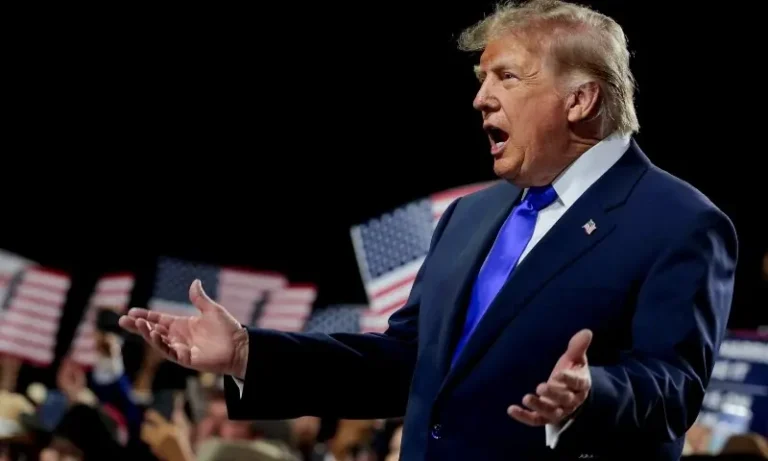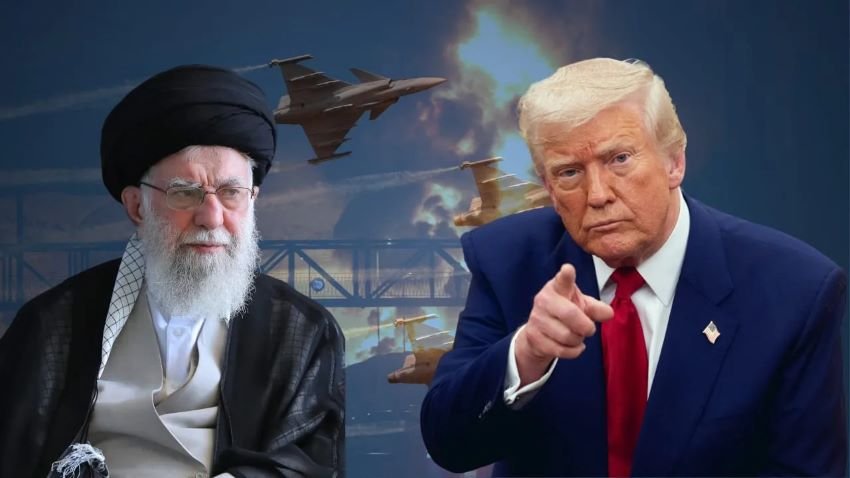
US President Donald Trump announced on Wednesday that Iranian authorities have halted the execution of protesters, following weeks of nationwide unrest. Tehran has also reopened its airspace, which had been temporarily closed amid heightened regional tensions.
Speaking at the White House, Trump said he received assurances from “very important sources on the other side” that the executions would not proceed. He added, however, that Washington would continue to monitor developments closely. “I’ve been told it has stopped. We’ll watch it and see,” he said, signaling continued US concern over the handling of protests in Iran.
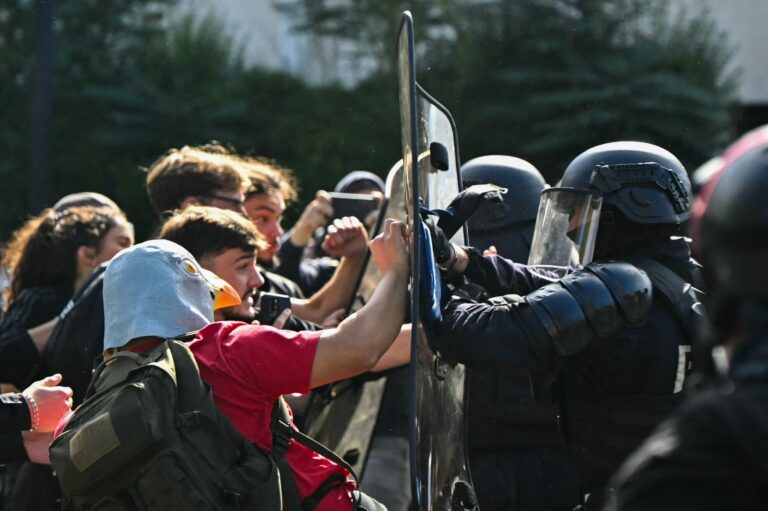
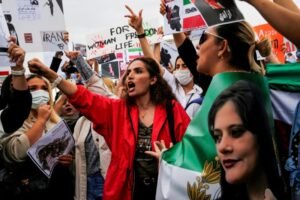
Iran has been witnessing widespread demonstrations for more than two weeks, with reports of hundreds of fatalities and thousands of injuries. Protesters have rallied in major cities, expressing anger over domestic grievances, while security forces have cracked down heavily. Human rights organizations warn of arbitrary arrests and violence, though exact figures are difficult to confirm independently.
The unrest marks one of the most serious internal challenges to Iran’s leadership in years, intensifying scrutiny on both Tehran’s domestic policies and its response to international pressure.
Before Wednesday’s announcement, US officials had reportedly prepared a range of potential responses to Iran’s crackdown. So, what options does Trump have on the table, if the situation escalates again?
Read More: Trump Warns of Strong Response if Iran Executes Protesters
The US could carry out conventional airstrikes targeting military sites, missile depots, and nuclear research centers in Iran. Analysts warn this could lead to civilian casualties, retaliatory strikes, and further regional escalation.
Special Forces and intelligence units could target specific high-value individuals or facilities, aiming to destabilize Iran internally with limited visible impact.
Operations against Iran’s energy, communications, and banking infrastructure is also an option, which can disrupt civilian life and affected global markets. Moreover, sanctions, trade restrictions, and support for regional allies are evaluated as a lower-risk option that could weaken Iran’s economy without triggering immediate conflict.
But any military action carried significant risks, including retaliation through Iranian ballistic missiles, drone strikes, and proxy attacks across the Middle East. Tehran retains several tools to counter external pressure. Iranian ballistic missiles, drones, and air force operations could target US or allied forces in the Gulf, as well as Israeli infrastructure.
Groups such as Hezbollah in Lebanon, militias in Iraq and Syria, and other allies could carry out strikes against US or Israeli interests. Iran can also launch cyber operations against critical infrastructure abroad, potentially affecting global energy markets and financial systems.
If tensions between the United States and Iran escalate into a direct military conflict, the consequences could be profound for Pakistan and the wider region. Along the Iran-Pakistan border, particularly in Balochistan, security risks are likely to increase, raising concerns over cross-border incidents and heightened military vigilance.
A further complication could be a surge in refugee flows from Iran into neighboring countries, creating significant humanitarian challenges and straining resources in border regions. Economically, the region could face additional pressure, as rising energy costs and disruptions to major trade routes would affect both local markets and broader commercial activity.
Regional instability could also extend to the Gulf states, including Saudi Arabia, Israel, and the United Arab Emirates, potentially altering security dynamics and prompting increased military preparedness across the Middle East.
On the global stage, any escalation or even perceived inaction by the United States, could influence Washington’s international credibility and diplomatic standing. Meanwhile, Russia and China, as key allies of Iran, may respond through diplomatic channels, economic measures, or strategic positioning, further raising global tensions.
Energy markets would be particularly vulnerable in such a scenario, with oil and gas prices likely to spike, reverberating across Europe, Asia, and developing economies, and intensifying economic uncertainty worldwide.
Read More: Qatar Sounds Alarm Over Potential US-Iran Escalation
With Iran halting executions and reopening its airspace, the immediate risk of military confrontation has receded. It seems a temporary calm rather than a resolution of underlying tensions. Protest movements in Iran remain active, and the leadership continues to balance domestic control with international pressures.
Thus, the situation remains highly volatile. While Washington and Tehran appear to be stepping back from the brink for now, the underlying political, social, and strategic tensions in Iran, and across the Middle East, persist. Continued diplomacy and measured actions are critical to prevent escalation into a larger regional conflict.

Farkhund Yousafzai is a seasoned journalist and analyst with over a decade of experience in the media industry. He specializes in national politics and international relations and regularly contributes as an analyst to national and international media outlets.