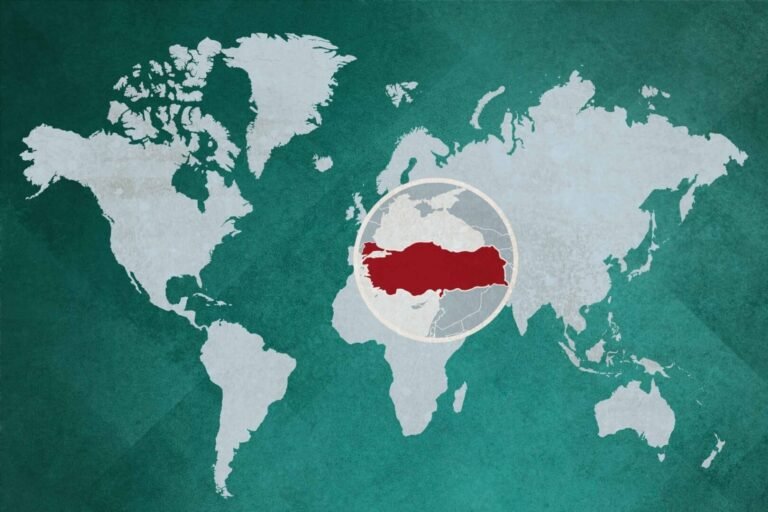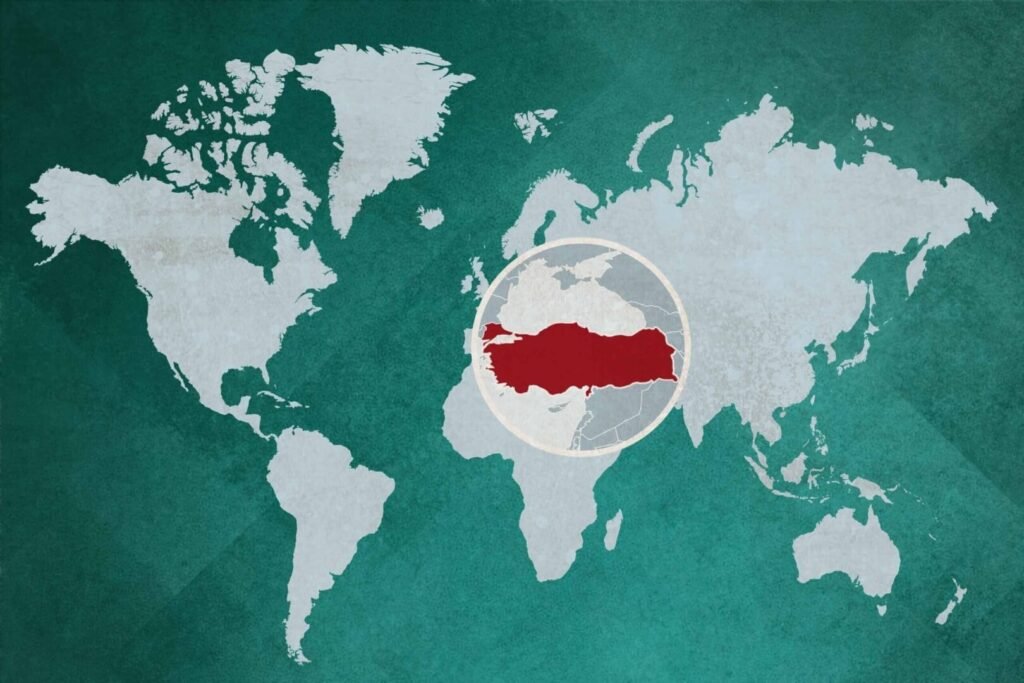
In contemporary international politics, influence is no longer measured solely through military capability or economic strength. Increasingly, states are shaping their global image through culture, identity, and public engagement. In this changing landscape, Turkey stands out as a country that has effectively utilized public diplomacy to expand its presence across the Muslim world.
Turkey’s growing influence is neither accidental nor temporary; it is the result of a well-thought-out and consistent strategy. By carefully blending its Ottoman legacy with a modern and evolving national identity, Turkey positions itself as both culturally relatable and forward-looking. This unique combination enables it to appeal to a wide range of audiences across the Muslim world, connecting not only through shared traditions but also through contemporary aspirations.
A major driver of Turkey’s soft power is its entertainment industry. Turkish dramas such as Diriliş: Ertuğrul and Kuruluş Osman have gained immense popularity in South Asia, the Middle East, and beyond. These productions go beyond storytelling; they portray a society that appears modern yet deeply rooted in tradition.
Through themes of family, morality, justice, and social values, Turkey creates a strong emotional connection with viewers something that traditional diplomacy often struggles to achieve.
At the same time, Turkey has significantly expanded its outreach through educational and cultural initiatives. By offering scholarships to international students, establishing cultural centers, and supporting development projects in various regions, Turkey has strengthened its global reputation.
Read More: The Power of the Korean Wave – Hallyu
These initiatives not only generate goodwill but also build long-term relationships with future leaders, academics, and professionals across the Muslim world. Over time, such engagement helps position Turkey as a trusted partner rather than a distant or purely strategic actor.
An important yet often overlooked dimension of this outreach is language. Through institutions such as the Yunus Emre Institute, Turkey actively promotes the Turkish language as a medium of cultural exchange. Language programs, cultural events, and academic collaborations allow foreign audiences to engage more deeply with Turkish society, history, and values.
In many ways, language itself becomes a powerful soft power tool. When people learn a language, they do not merely acquire vocabulary—they begin to understand a worldview. Turkey has effectively used this approach to strengthen its cultural presence and deepen its influence beyond its borders.
Political messaging also plays a significant role in Turkey’s public diplomacy. Its leadership frequently speaks on issues that resonate across the Muslim world, particularly humanitarian crises and political injustices. By doing so, Turkey aligns itself with widely shared sentiments, reinforcing its image as a voice that represents collective concerns.
However, this growing influence is not without criticism. Some observers argue that Turkey’s cultural and diplomatic outreach is linked to broader strategic ambitions. In certain regions, its actions are viewed with caution, as states remain sensitive to external influence. Additionally, domestic political developments within Turkey occasionally complicate its external image and limit the consistency of its soft power narrative.
Read More: Pakistani Students Shine at Türkiye Cultural Festivals, Meet President Erdoğan
Despite these challenges, Turkey’s success in shaping perceptions remains significant. It has managed to build a recognizable identity that resonates not only with policymakers but also with ordinary people. Unlike traditional diplomacy, which operates primarily through formal state-to-state channels, Turkey’s approach directly engages societies through culture, media, and shared narratives.
For countries such as Pakistan, Turkey’s experience offers valuable lessons. Strengthening cultural industries, investing in youth engagement, and promoting a clear national narrative can enhance international standing. Soft power, when strategically developed, can achieve results that hard power alone cannot deliver.
In conclusion, Turkey’s public diplomacy demonstrates that in today’s interconnected world, perception is as important as policy. Countries that successfully build emotional and cultural connections are often more effective in shaping global opinion.
Turkey’s example shows that public diplomacy has become a central instrument of influence one that transforms culture into power and identity into global reach.
*The views presented in this article are the authors’ own and do not necessarily reflect the views of The Diplomatic Insight.