In 2025, Pakistan published a “National Policy on Safe Management of Radioactive Waste, Decommissioning and Spent Nuclear Fuel”, with the purpose of harmonizing the existing legal frameworks and creating a holistic policy document at the highest level.
Pakistan’s robust nuclear safety and security infrastructure, backed by a detailed, illustrative and well-codified legal regime, has been recognized internationally. The recent reports published by the Nuclear Threat Initiative (NTI) indicate an improvement in the overall index for Pakistan’s nuclear safety and security.
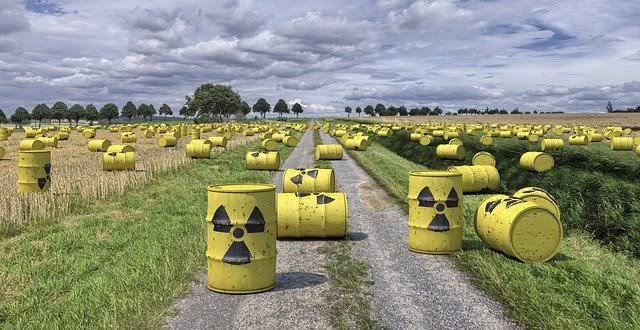
Pakistan remains steadfast in protecting its people from the harmful impacts of radiation while formulating a comprehensive and sustainable regulatory framework. Radiation may emanate from radioactive waste, nuclear or radiological material out of regulatory control, during decommissioning of the facilities, and from the poor management of spent fuel.
A variety of radiation sources indicate that a legal framework needs to cover multiple domains while developing a multi-layered and dimensional approach. For any regulatory framework to be effective, defining roles and responsibilities is of utmost importance.
Read More: Pakistan, IAEA Sign Six-Year Framework for Peaceful Nuclear Cooperation
Under this national policy, the Pakistan Nuclear Regulatory Authority (PNRA) will be the lead organization to implement it. Through this national policy, focus will be placed on capacity building in the physical, technical, and regulatory domains.
Pakistan Atomic Energy Commission (PAEC) will be responsible for devising national strategies on radioactive and nuclear waste management. Meanwhile, PNRA will be responsible for regulating the nuclear and radioactive waste from a variety of sources. For radioactive waste management, focus should be placed on reducing the quantum of waste at the level of design, operation, and decommissioning of the facility.
The core responsibility of managing waste will rest with the operator in line with the relevant regulations of the PNRA. The operator is responsible for handing over waste to the designated PAEC waste storage and disposal facilities; however, the acceptance criteria of PAEC must be fulfilled. The operator is bound to pay the charges to the PAEC. As per the national policy, PAEC will build storage and disposal facilities across the country.
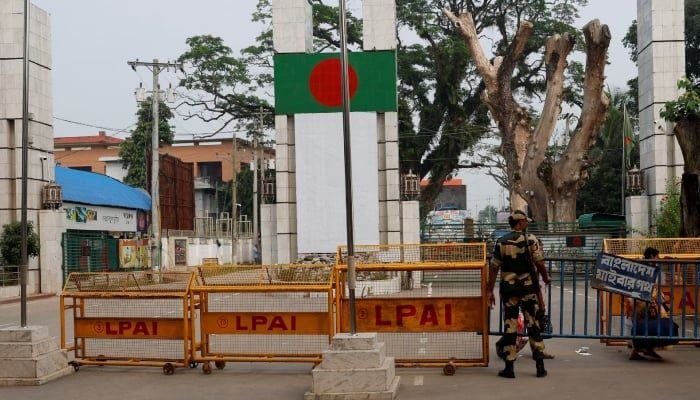
For managing the radioactive waste, a Radioactive Waste Management Fund (RWMF) will be established under the PNRA. For detecting the ownerless or smuggled radioactive material, the National Nuclear Detection Architecture (NNDA) framework will be pursued. Under the NNDA, radioactive detection equipment will be installed at all the entry and exit points of the country.
A ‘Technical Reach Back Support’ will be available near all the checking points for assessment of the confiscated material and its storage or removal. Furthermore, this team will oversee the equipment and its calibrations. For executing the NNDA, an Integrated Cargo Container Control (IC-3) has already been established at the Port Qasim.
PNRA has also issued detailed regulations on the management of the waste material in the form of a statutory notification. These regulations prescribe that waste materials will be characterized and treated accordingly, and stored or disposed of accordingly. Varying levels of radioactivity will be defined for radioactive waste material, and as per the radioactivity index, regulatory mechanisms will be implemented on a proportional basis.
Facilities for waste management will be given explicit authorization, and the operator will be bound to process waste on as early a basis as possible. PNRA will make sure that adequate resources will be allocated for waste management, and the latest technologies and equipment will be procured. The personnel dedicated to waste management will be trained, qualified, and competent as per the international standards.
Within waste management, physical protection and the security of the radioactive waste will be ensured as per the PNRA regulations on the physical protection and security of the radioactive materials. Emergency preparedness remains the cornerstone of waste management. Detailed contingency planning will be carried out to chalk out varying responses as per the needs of the situation. Detailed SOPs will be established at each kind of facility for different kinds of radioactive substances, to address a variety of emergencies.
The safe management of radioactive waste material will be ensured by developing a comprehensive management system for maintaining the quality of the safety systems, components, and activities for a storage or disposal facility. For each facility, senior leadership will inculcate a safety culture while analyzing the best international practices.
From the generation of waste material to its disposal and processing, all the management steps will be linked up and made complementary to each other to ensure a unidirectional and well-integrated action plan.
Read More: PNRA and Pakistan’s Safe Nuclear Energy Generation
Pakistan Nuclear Regulatory Authority (PNRA) remains steadfast in ensuring the physical safety and security of the radioactive waste throughout its life cycle. Transport safety is ensured while strictly following the PNRA regulations on the safe transport of radioactive material. Packages of the waste materials are designed separately for land, air, and sea routes, and the transport operations are designed accordingly while developing administrative requirements on a case-by-case basis.
The PNRA has also established regulations for authorizing the cover designs for the spent fuel dry storage casks. The spent fuel will be stored in dry or wet storage as per the requirements.
The aforementioned discussion concludes that Pakistan has developed a robust system for managing the radioactive waste from a variety of sources. Pakistan’s radioactive waste management system is backed by statutory powers, and has institutionalized arrangements entailing detailed regulations for the radioactive waste management from its generation to its disposal and processing.
PNRA, as the lead organization for this task, has risen to the occasion and delivered a radioactive waste management system at par with international standards.
*The views presented in this article are the authors’ own and do not necessarily reflect the views of The Diplomatic Insight.

Saif Ul Haq
Saif Ul Haq is a Research Officer at Strategic Vision Institute (SVI), Islamabad, and has completed M.Phil. in Defense and Strategic Studies from Quaid-i-Azam University, Islamabad. He holds certifications from the United Nations Office of Disarmament Affairs and the International Atomic Energy Agency.