The Pakistan Nuclear Regulatory Authority (PNRA) stands out as the key institution that has persistently upheld the weight of responsibility and trust. The efforts of the PNRA are becoming the foundation of both national security and public trust. In addition to ensuring the safe operation of nuclear reactors, PNRA is creating a foundation for the broader energy transition by developing a transparent, trustworthy, rule-based framework for safe nuclear energy generation that supports the country’s socio-economic development.
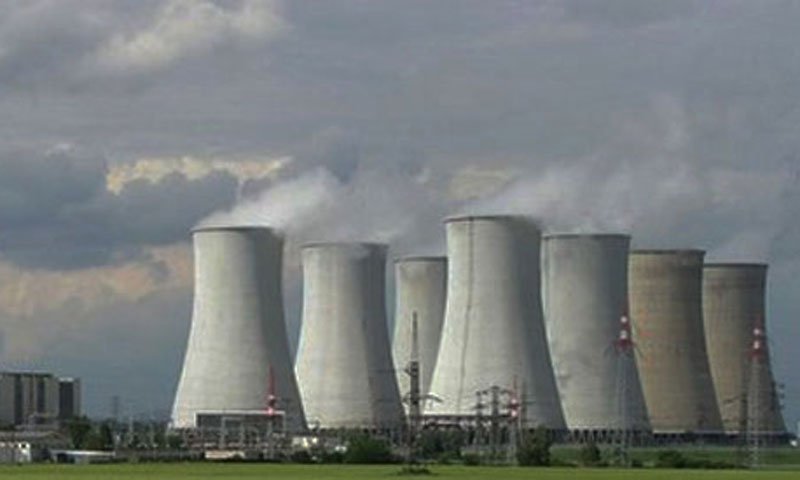
Currently, Pakistan has six operational nuclear reactors producing approximately 3.3–3.5 Gigawatts of electrical power, providing a record-high of 21.7 terawatt-hours of electricity in 2024 and accounting for approximately 17% of the grid supply. Plans are already in motion to add a 1200 MW reactor by 2030. These new additions were built under the regulatory structure established by the PNRA Ordinance of 2001, which requires PNRA to oversee nuclear safety, security, and radiation protection at all civilian sites.
PNRA has undergone a significant transformation since its inception as a nuclear safety committee in the 1960s, evolving into a fully empowered, statutory regulator, representing a significant shift from ad hoc to institutionalized regulation. PNRA’s primary purpose is well-defined yet very demanding to protect the public workers and the environment from the hazards of ionizing radiation through the implementation of robust regulatory measures and the creation of a culture of safety.
PNRA achieves this mission by issuing licenses for nuclear power plants and other commercial/industrial applications of radioactive materials, conducting inspections of nuclear facilities, and developing technical standards that all licensees will follow during the operational lifecycle of their facilities.
PNRA’s regulatory framework comprises three components: the Foundational Ordinance, Regulations, and Regulatory Guides, which detail how licensees’ operational practices must meet their statutory obligations. Additionally, PNRA has a specific obligation to establish the scope of civil liability for damages arising from nuclear accidents, which is a critical safeguard for the public in the unlikely event of a nuclear accident occurring.
Read More: Dar, IAEA Chief Discuss Nuclear Energy Cooperation
As concerns about nuclear safety persist (as demonstrated by the lasting impressions of Chernobyl and Fukushima), Pakistan already has a remarkable safety record in the nuclear power industry. PNRA’s independent monitoring of the nuclear power program has enabled Pakistan to expand without experiencing any major incidents in its civilian program. PNRA’s regular facility inspections, mandatory safety improvements, and evaluations of operating experience have become standard, rather than extraordinary, aspects of the nuclear power regulatory system.
Given the public’s discontent with the energy sector, largely due to rising electricity prices, nuclear power is increasingly being discussed in terms of electricity costs and transparency in nuclear power production. In such times, PNRA can step up to demonstrate that its technical capabilities to ensure safety regulations are equivalent to its ability to provide enhanced transparency regarding its safety decision-making processes and performance metrics. This can fuel public confidence-building and help them understand that the risks associated with nuclear power are being managed and are not mere assurances.
The PNRA’s relationship with the International Atomic Energy Agency (IAEA) is a significant strategic asset for Pakistan, as the PNRA uses the IAEA to ensure that its regulatory policies align with emerging global norms on nuclear power safety and security. In addition, PNRA is viewed positively internationally because of the IAEA peer review process.
As a result of this process, PNRA has been recognized for its regulatory progress. The PNRA also participates in international forums, which further enhances the quality of regulatory practices in Pakistan and allows the Government of Pakistan to demonstrate its responsibility as a nuclear state. As Pakistan seeks foreign investment and technology to diversify its energy mix, the presence of an independent and competent regulator will not be a luxury but rather an essential component of the development of its civilian nuclear program.
For the PNRA, it is essential to secure continued long-term support from the Government of Pakistan. One of the most effective ways for PNRA to do this is to foster a culture of transparency and proactively release safety-related information. PNRA must also engage in a dialogue with Parliament, academia, and civil society, and be prepared to defend the rationale behind approving and delaying/cancelling projects based on safety concerns. Lastly, PNRA is significantly advancing Pakistan`s progress towards sustainable development by ensuring safe nuclear energy generation.
*The views presented in this article are the author’s own and do not necessarily reflect the views of The Diplomatic Insight.

Musavir Hameed
Musavir Hameed is currently serving as Research Officer at Balochistan Think Tank Network, Quetta and can be reached at [email protected]