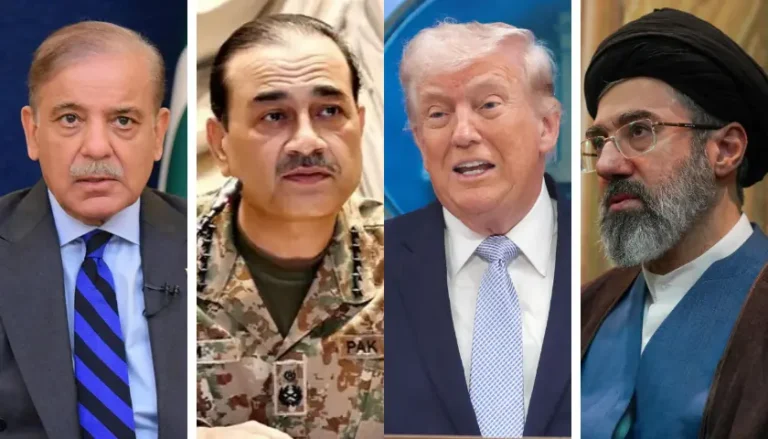
For decades, Pakistan was widely viewed in political analysis as a traditional ally of the United States, particularly during the Cold War and later throughout the U.S.-led war in Afghanistan following the September 11 attacks.
However, recent global shifts suggest that Islamabad has gradually sought to redefine its foreign policy in a more autonomous direction—one grounded in diversification of partnerships rather than alignment with a single geopolitical pole.
This transformation has not occurred abruptly. Rather, it reflects a combination of political, economic, and security factors that have steadily pushed Pakistan to reassess its position within an evolving international system.
As mutual trust between Islamabad and Washington weakened, and as new global actors—most notably China—rose in influence, Pakistan adopted a more pragmatic foreign policy approach centered on balancing major powers and expanding diplomatic flexibility.
Read More: Pakistan’s Quiet Diplomacy: Mediating the Toughest Conflict in a Fragmented World
Although Pakistan is not classified as a major economic or military power, it has managed to sustain a notable diplomatic profile. This is largely due to its strategic geographic location, long-standing ties within the Islamic world, and its ability to navigate complex regional environments.
The Pakistani military establishment has also played a significant role in shaping foreign policy, particularly in relation to regional security and defense cooperation.
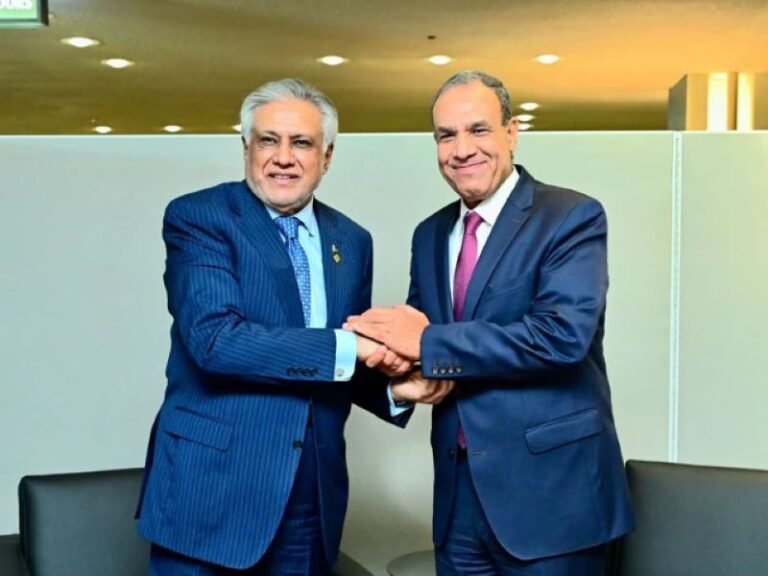
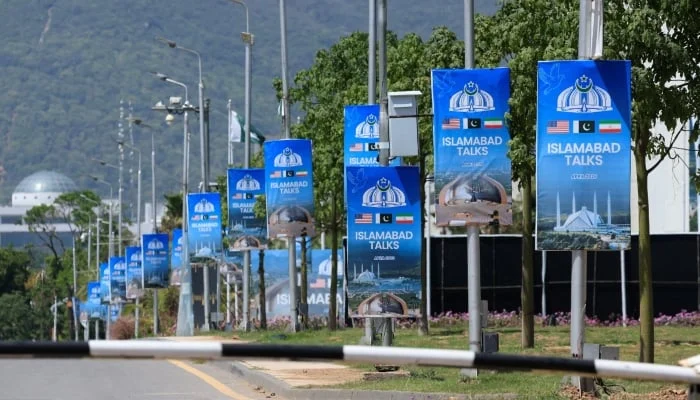
In recent years, Pakistan’s diplomatic activity has become more visible through its engagement in regional mediation efforts, its hosting of sensitive political dialogues, its close partnership with Saudi Arabia, and the expansion of economic cooperation with China and Gulf states.
From Dependence on Washington to a Policy of Balance
For much of its modern history, relations with the United States constituted a central pillar of Pakistan’s foreign policy. Islamabad received substantial military and economic assistance from Washington during the Cold War and later emerged as a key partner following the U.S. intervention in Afghanistan in 2001.
However, this relationship has experienced recurring cycles of cooperation and mistrust. Pakistan often perceived the United States as treating it as a transactional security partner, while Washington frequently expressed concerns regarding Islamabad’s level of commitment in counterterrorism efforts. Over time, these tensions eroded mutual confidence, particularly after the U.S. withdrawal from Afghanistan.
This evolving reality prompted Pakistan to reassess its foreign policy priorities. Instead of relying predominantly on the United States, Islamabad expanded its strategic engagement with other powers, most notably China, which has emerged as a cornerstone of Pakistan’s economic and strategic outlook.
The China-Pakistan Economic Corridor (CPEC) stands as one of the clearest manifestations of this strategic shift. By linking western China to Pakistan’s Gwadar Port on the Arabian Sea, the project has elevated Pakistan’s significance in regional connectivity and energy transit routes, while also attracting substantial investment in infrastructure, transport, and energy sectors.
Notably, Pakistan’s deepening partnership with China has not resulted in open confrontation with Western powers. Instead, Islamabad has maintained functional diplomatic channels with the United States, Europe, and Gulf states. This reflects a broader strategic posture defined not by alignment with a single bloc, but by calibrated balance among competing powers.
Such an approach has helped Pakistan avoid diplomatic isolation and has expanded its room for maneuver amid intensifying U.S.-China competition.
Pakistan and the Gulf: A Strategic and Enduring Partnership
Relations between Pakistan and Saudi Arabia remain among the most enduring strategic partnerships in the Muslim world. This relationship extends beyond economic cooperation or religious affinity to include long-standing defense and security collaboration.
Pakistan has historically contributed to Saudi defense capacity through military training, advisory support, and security cooperation. It has also participated in broader regional security frameworks linked to Gulf stability.
In return, Saudi Arabia has been a key economic partner for Pakistan, providing financial support, energy assistance, and investment flows during periods of economic difficulty. This reciprocal relationship has reinforced both political trust and strategic interdependence.
Pakistan has also maintained balanced ties with other Gulf states, including the United Arab Emirates and Qatar, thereby strengthening its broader regional engagement.
Importantly, Islamabad has periodically positioned itself as a potential interlocutor among regional rivals. Despite its close ties with Riyadh, Pakistan has maintained communication channels with Iran, reflecting a pragmatic diplomatic approach in an otherwise polarized regional environment.
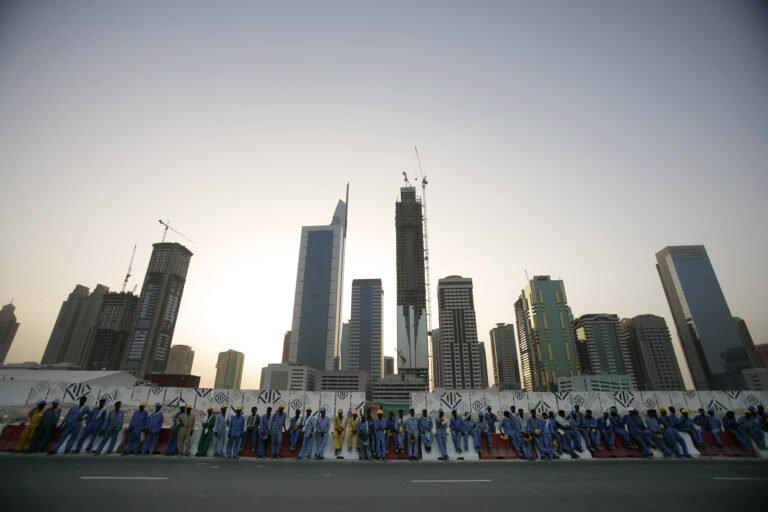
Beyond geopolitics, Gulf relations are deeply embedded in Pakistan’s socio-economic structure. Millions of Pakistani workers reside in Gulf countries, and their remittances constitute a critical pillar of the national economy. This adds a structural dimension to Pakistan’s commitment to maintaining stable relations with the region.
Mediation and Geopolitical Connectivity
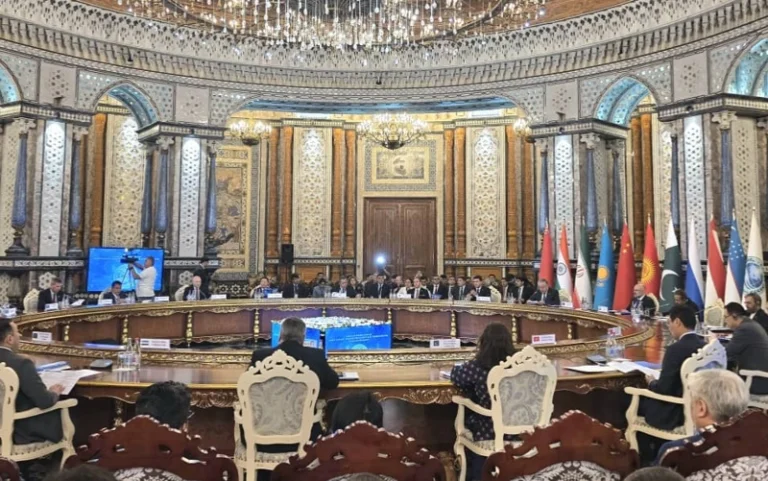
A notable feature of Pakistan’s evolving diplomacy is its aspiration to serve as a platform for dialogue in sensitive regional contexts. In recent years, Islamabad has engaged in efforts related to the Afghan peace process and has, at various points, been part of broader discussions aimed at facilitating communication between rival regional actors.
While Pakistan is not a primary mediator in most conflicts, its ability to maintain channels with multiple sides has contributed to its credibility as a facilitator rather than a partisan actor.
This reflects a broader understanding within Pakistani policy circles that diplomatic influence in the contemporary international system is not determined solely by military or economic power, but also by connectivity, credibility, and the ability to manage relationships across divides.
Read More: Pakistan’s Corridor Diplomacy: From Strategic Location to Strategic Trust
Geography further reinforces this role. Situated at the intersection of South Asia, the Middle East, and Central Asia, Pakistan occupies a strategic corridor that links several of the world’s most politically sensitive regions.
At the same time, Islamabad has sought to translate this geography into economic opportunity through infrastructure and connectivity initiatives developed in cooperation with China and other partners.
Despite persistent internal challenges—including economic volatility and political fragmentation—Pakistan’s foreign policy has demonstrated a notable degree of continuity. This reflects an institutional consensus that external engagement and strategic diversification are essential for domestic stability and long-term resilience.
Lessons for Sudan in a Fragmented International Order
Amid the ongoing conflict in Sudan since April 2023, questions surrounding foreign policy orientation and strategic alignment have become increasingly urgent. The crisis has underscored the limitations of reliance on narrow alliances or reactive diplomacy in safeguarding national interests.
In this context, Sudan may draw relevant insights from Pakistan’s experience, particularly the importance of maintaining balanced external relations and avoiding overdependence on a single international actor. Despite its own structural constraints, Pakistan has managed to develop diversified partnerships with China, the Gulf, and Western powers, thereby enhancing its diplomatic resilience.
Sudan, for its part, possesses significant strategic assets, including its geographic position linking Africa, the Arab world, and the Red Sea, as well as its natural resource base. However, these advantages have not yet been fully translated into sustained diplomatic leverage.
Looking ahead, a more flexible and diversified foreign policy could help Sudan reposition itself from a theater of external competition into a state capable of contributing to regional equilibrium.
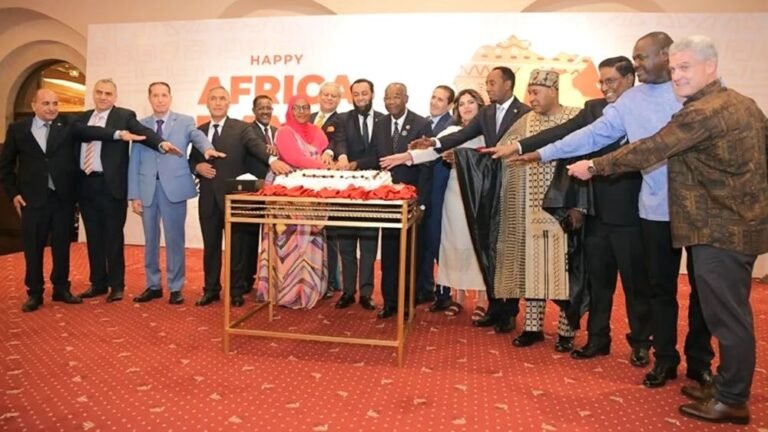
Within this framework, Pakistan could potentially play a constructive role in supporting broader efforts toward conflict resolution in Sudan. Islamabad maintains relations with several actors involved in the Sudanese context and has experience navigating complex security environments.
While Pakistan is not a direct stakeholder in the Sudanese conflict, this relative neutrality may enhance its potential as an acceptable interlocutor, particularly if coordinated with regional and international partners. Its standing within the Islamic world may further support efforts to encourage dialogue and reduce polarization.
Ultimately, Pakistan’s experience illustrates how a state facing internal constraints can still cultivate meaningful diplomatic influence through strategic balance, pragmatic engagement, and diversified partnerships. This remains a relevant lesson for countries such as Sudan as they seek to rebuild their international standing in a more fragmented global order.
*The views presented in this article are the authors’ own and do not necessarily reflect the views of The Diplomatic Insight.

Abdelazim Allahgabo
Abdelazim Allahgabo is a multimedia journalist, TV correspondent, and editorial columnist. A creative professional with a diverse skill set, he is also an experienced voiceover artist, photographer, and designer. Abdelazim focuses on covering Sudanese affairs, blending his journalistic reporting with a sharp perspective in his editorial writing.