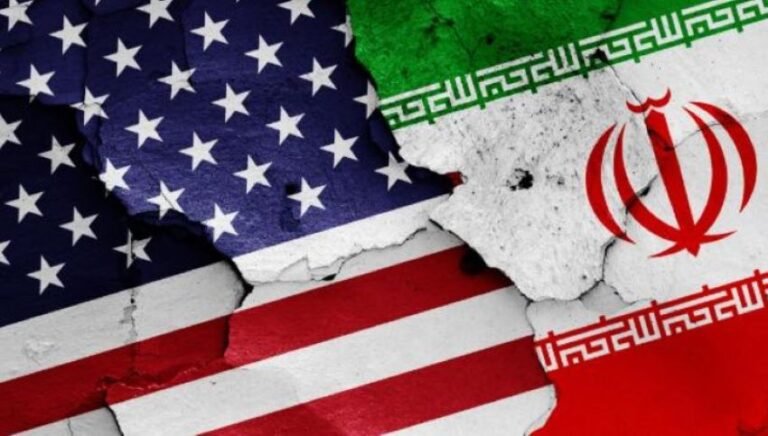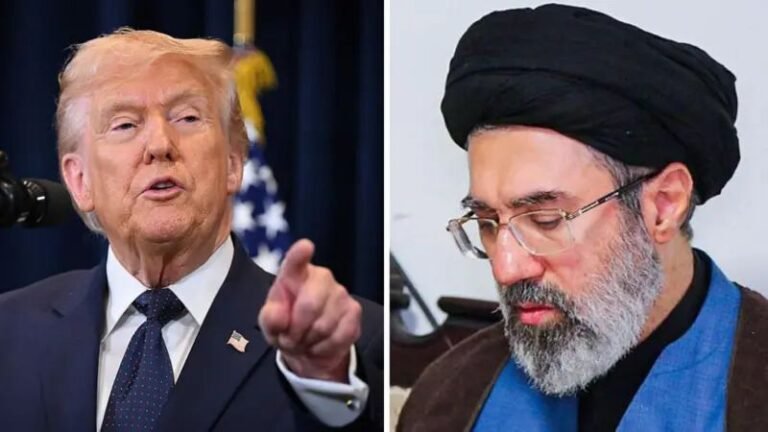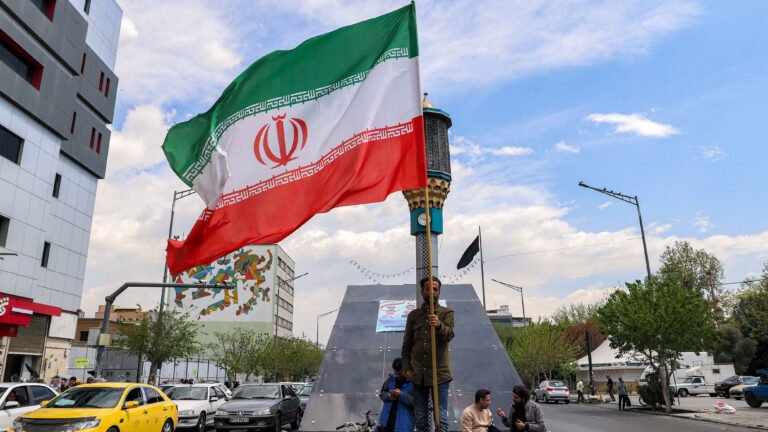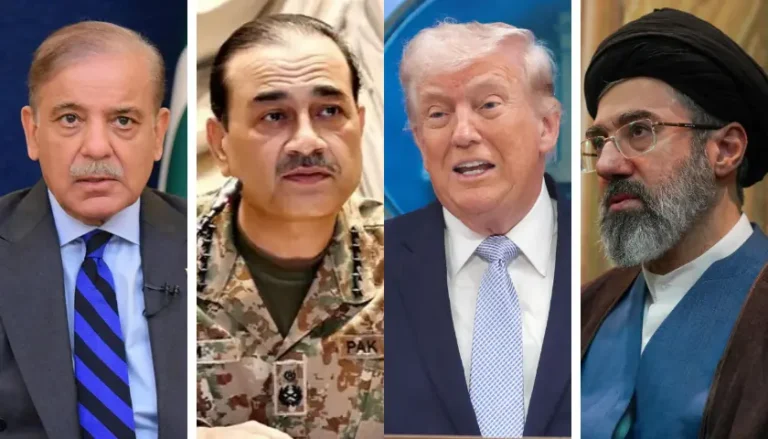
At a time when the Middle East is on the verge of a broader regional conflict, Pakistan has suddenly become a key player in the diplomatic game, brokering between two long-term rivals, the United States and Iran.
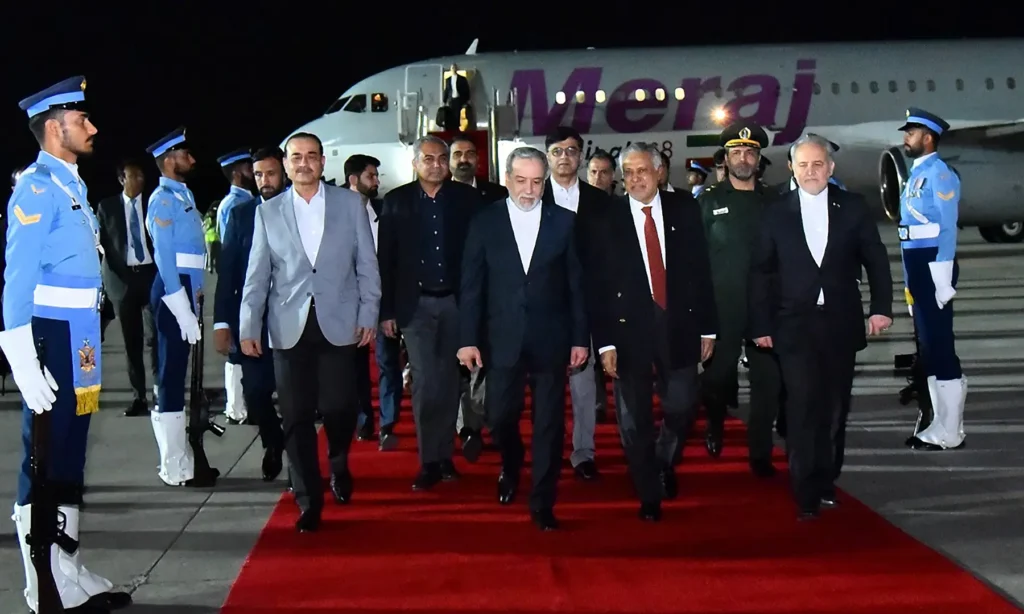
What started as a backchannel communication has now become a high-stakes diplomatic endeavor with ceasefire negotiations conducted in Islamabad and being facilitated by Islamabad, which might alter the landscape of how the region could be stable.
This is not merely a diplomatic event but an indication of a change in the foreign policy stance of Pakistan and its possible re-entry into credibility as a negotiator of disputes in the world.
The role of Pakistan in Iran-US mediation did not come about suddenly. In the past, countries such as Oman acted as silent brokers between Washington and Tehran. The developments of the US-Iran war heightened in 2026; however, it left a gap in the diplomatic lines, which was filled by Pakistan.
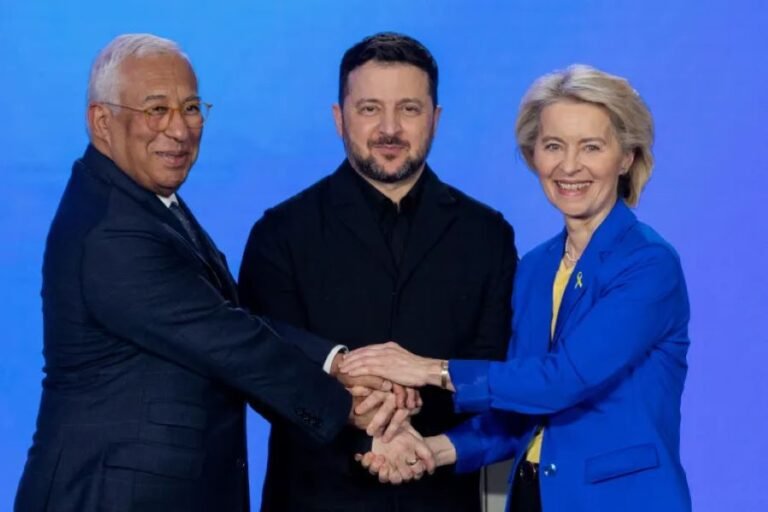
Pakistan has been on the move, communicating messages, offering ceasefire structures, and liaising with regional powers like Turkiye, Egypt, and China, according to recent developments. This multi-layered intervention made Islamabad what analysts currently refer to as a central interlocutor in the crisis.
The extent of this intervention was made clear when Pakistan assisted in the push towards a two-phase ceasefire program, which comprised a 45-day ceasefire followed by discussions on a lasting settlement. More importantly, Pakistan volunteered to host face-to-face US-Iran negotiations in Islamabad, which made it a notch higher in terms of being a facilitator to becoming a diplomatic platform.
A Shaky Victory in a Perilous War
The actual challenge to the diplomacy of Pakistan was in the face of ceasefire talks almost collapsing. Pakistan stepped in at a very opportune time and conducted backchannel diplomacy of a very intensive sort involving Washington, Tehran, and regional stakeholders to avert a complete meltdown.
These attempts resulted in a temporary ceasefire, and both sides were ready to restart negotiations. The leadership of Pakistan, both Prime Minister Shehbaz Sharif and military leadership, were directly involved in facilitating these discussions, and they worked throughout the night to get commitments.
This was referred to by The Guardian as the largest diplomatic victory in recent years by Pakistan, as it was reported that Islamabad was able to ensure that its relations with the US and Iran helped bridge what would otherwise have been a chasm.
Nonetheless, the breakthrough is still weak. The unresolved issues are still critical, like the nuclear program of Iran, the Strait of Hormuz, and the security ties in the region.
Read More: Araghchi in Islamabad as Pakistan Pushes US–Iran Dialogue
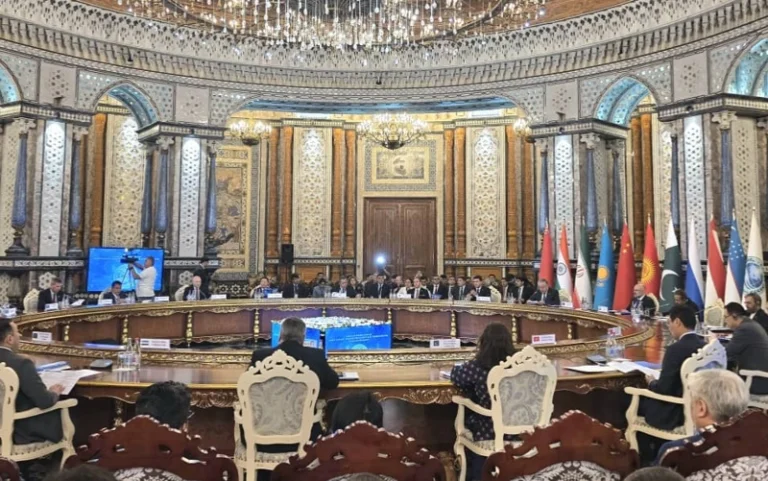
The role of mediation by Pakistan should also be viewed in the context of the greater geopolitical context. The Iran-US conflict is not a bilateral conflict but is so much intertwined with regional politics with Israel, the Gulf states, and world powers such as China.
The participation of China, which was allegedly supported by Pakistan, provided extra momentum to the mediation process as it provided guarantees and strategic support. This is an indication of an increasing convergence between Islamabad and Beijing in handling crises in the region, especially the energy routes and economic corridors.
Meanwhile, the role of Pakistan is also fragile. It is closely linked to the Gulf countries, especially Saudi Arabia, and borders Iran with a long history of relations. These relationships are delicate to balance and mediate a high-stakes conflict, and it is difficult to do without diplomacy.
Furthermore, the strategy is also a cause of the mediation by Pakistan. Any sustained war in the Gulf region directly jeopardizes the energy security of Pakistan, its trade routes, and stability in the economy. In Pakistan, the Strait of Hormuz, through which a considerable part of the world’s oil flows, is crucial to the imports of the country. It is not only a diplomatic concern but also an economic requirement that it be stable.
Challenges and Contradictions
Although Pakistan has been successful in its diplomatic efforts to mediate, there are major challenges. Among the critical problems is the mistrust between the US and Iran, which has derailed negotiations in the past.
Recent news has shown the contradictory stories regarding the mediation process itself. The talks have been touted as a significant advancement by Pakistan and its allies, although some US officials have defused some of the statements, and Iran has issued conditions under which it would take part, such as ceasefires in other war-torn areas, such as Lebanon.
These inconsistencies indicate the complexity of the situation. Mediation is not a unilinear process; it entails competing narratives, strategic signaling, and position changes.
Also, the involvement of other actors, especially Israel, introduces another element of uncertainty. Any unilateral move by regional players would derail the shaky ceasefire and nullify the efforts of Pakistan.
Read More: Trump Extends Iran Ceasefire, Cites Pakistan’s Request Amid Stalled Talks
The fact that Pakistan is a mediator between Iran and the United States leads to one critical question: Is Islamabad establishing itself as a new conflict-solving center?
Pakistan has historically served such purposes, serving as a backchannel between the major powers in the Cold War. Its present engagement hints at a revival of that diplomatic custom.
The significance of this moment is that the world realized the role played by Pakistan. Pakistan has been recognized by Iran as a mediator publicly and appreciated by Iran, which signifies that its neutrality is trusted.
Meanwhile, it seems that the world powers are ready to participate via Pakistan, with plans of top US officials to take part in the discussions that will be held in Islamabad.
When sustained, this may herald a change in the world perception of Pakistan as a state that is security-conscious to a state engaged in diplomacy.
The Way to Go: Prosperity or Hubris?
Although the mediation by Pakistan has created new avenues in diplomacy, the future is unpredictable. The present ceasefire is just a temporary one, and the root causes that led to the conflict are yet to be resolved.
There are two possible trajectories:
Optimistic Scenario
- Pakistan is effective in helping to sustain the dialogue.
- A long-term contract tackles nuclear, security, and economic matters.
- Pakistan can become a reliable mediator of conflicts on the international level.
Pessimistic Scenario
- Discussions fail because of uncompromising differences.
- Military build-up restarts, destroying the credibility of Pakistan.
- Regional instability intensifies, with more extensive geopolitical repercussions.
Considering that the Iran–US war is a complicated situation, the best bet is a mixture of both, a long negotiation process, with ups and downs.
The mediation of Iran and the United States by Pakistan is a diplomatic initiative in a world that is more and more disintegrated. The world institutions are failing to handle conflicts at a time when the regional powers, such as Pakistan, are taking the place of the international institutions.
What is important about this development is both the immediate ceasefire and what it signifies: the prospect of middle powers determining the global results with the help of strategic diplomacy.
However, there are risks associated with this role. Such a conflict of such volatility needs a skillful approach, but also the ability to withstand the pressure of the outside world and contradicting tendencies within.
To Pakistan, the task is evident- make this diplomatic moment a lasting course of action. In case succeed, it might re-establish its position in the international system. Otherwise, it can be easily forgotten as a short-lived intervention in a conflict that still has no solution.
*The views presented in this article are the authors’ own and do not necessarily reflect the views of The Diplomatic Insight.

Sibgha Hadi
Sibgha Hadi is pursuing Bachelors in International Relations from International Islamic University Islamabad, and is currently a fellow at Amal Academy. She has a keen interest in geo-politics and security.