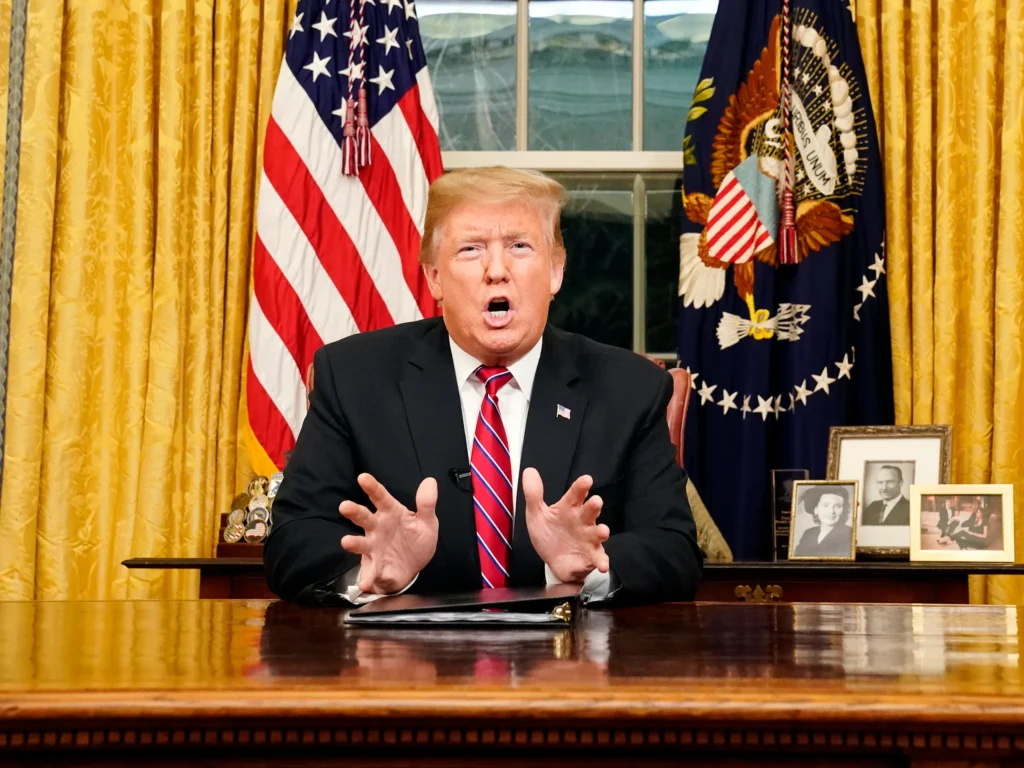
Washington (TDI): US President Donald Trump on Wednesday announced an extension of the ceasefire with Iran, saying the pause in hostilities would remain in place until Tehran submits a “unified proposal” and ongoing discussions are concluded.
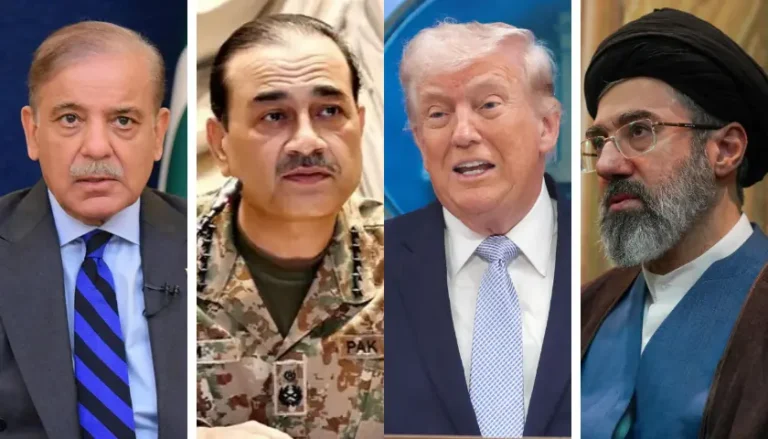
In a statement posted on his Truth Social platform, Trump said the decision followed a request from Pakistan’s leadership, naming Field Marshal Asim Munir and Prime Minister Shehbaz Sharif, who he said urged Washington to delay any military action to allow diplomatic efforts to continue.
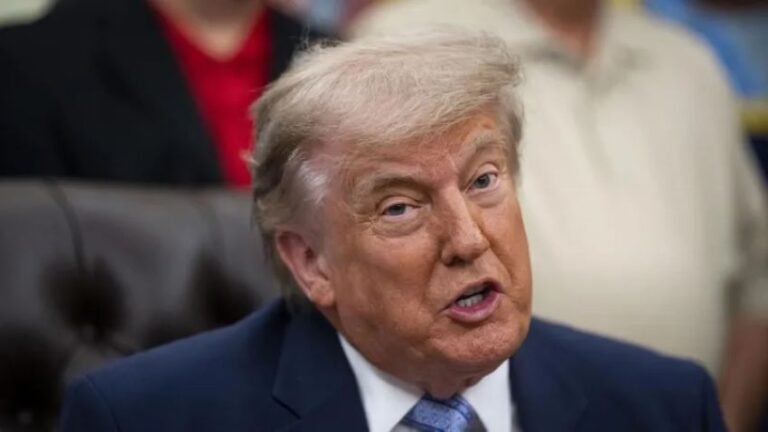
“Based on the fact that the Government of Iran is seriously fractured, and upon the request of Field Marshal Asim Munir, and Prime Minister Shehbaz Sharif of Pakistan, we have been asked to hold our attack on the country of Iran until such time as their leaders and representatives can come up with a unified proposal,” Trump wrote.
He added that he had directed US forces to continue maintaining a blockade and remain on alert, while extending the ceasefire “until such time as their proposal is submitted, and discussions are concluded, one way or the other.”
Read More: Chinese Envoy Praises Pakistan’s Mediation Efforts in US–Iran Tensions
The announcement came as an earlier ceasefire arrangement, brokered with Pakistani facilitation, and was approaching its expiry after weeks of escalating tensions between the United States and Iran, following strikes and maritime confrontations earlier in the conflict.
Prime Minister Shehbaz Sharif later thanked the US president for accepting Islamabad’s request to extend the truce. “On my personal behalf and on behalf of Field Marshal Syed Asim Munir, I sincerely thank President Trump for graciously accepting our request to extend the ceasefire,” he said in a post on X.
He added that Pakistan would continue efforts to support a negotiated settlement and expressed hope that both sides would eventually reach a comprehensive peace agreement during the next round of talks scheduled in Islamabad.
Deputy Prime Minister and Foreign Minister Ishaq Dar also confirmed that Pakistan had urged both Washington and Tehran to extend the ceasefire and give diplomacy a chance, underscoring Islamabad’s ongoing engagement with both sides.
Read More: Pakistan’s Balancing Act: Between the US, Iran, and the Muslim World
Despite the extension, uncertainty continues to surround the second round of US-Iran negotiations expected in Islamabad. Iranian Foreign Ministry spokesperson Esmaeil Baghaei said Tehran had not yet decided whether it would attend the talks, accusing Washington of “contradictory behaviour” and violations of the ceasefire through maritime operations.
Baghaei described recent US actions, including the seizure of Iranian-linked vessels, as “piracy at sea and state terrorism,” raising doubts over Iran’s willingness to return to negotiations.
Meanwhile, a White House official confirmed that US Vice President JD Vance’s planned visit to Pakistan “will not be happening today,” signalling further disruption in diplomatic scheduling.
The ceasefire extension comes amid continued friction over the Strait of Hormuz, a key global shipping route that has become central to the dispute.
The United States has maintained pressure on Iranian maritime activity, while Tehran has alternated between easing and tightening restrictions in the waterway, citing US naval actions and port blockades.
Trump has repeatedly linked Iran’s economic losses to the blockade, claiming the country is losing hundreds of millions of dollars daily due to restricted oil shipments.