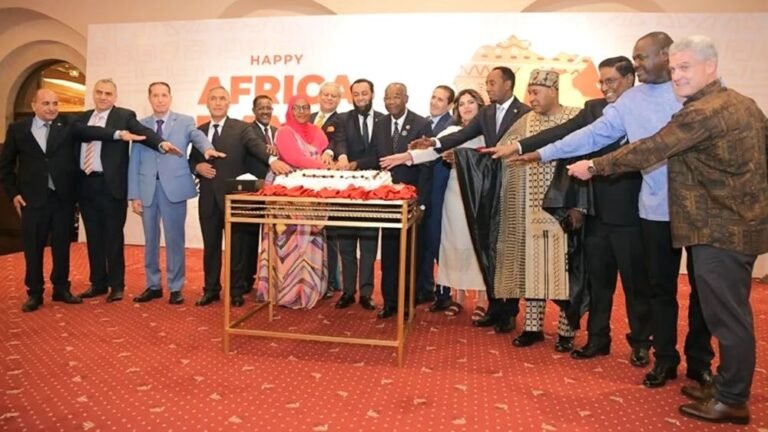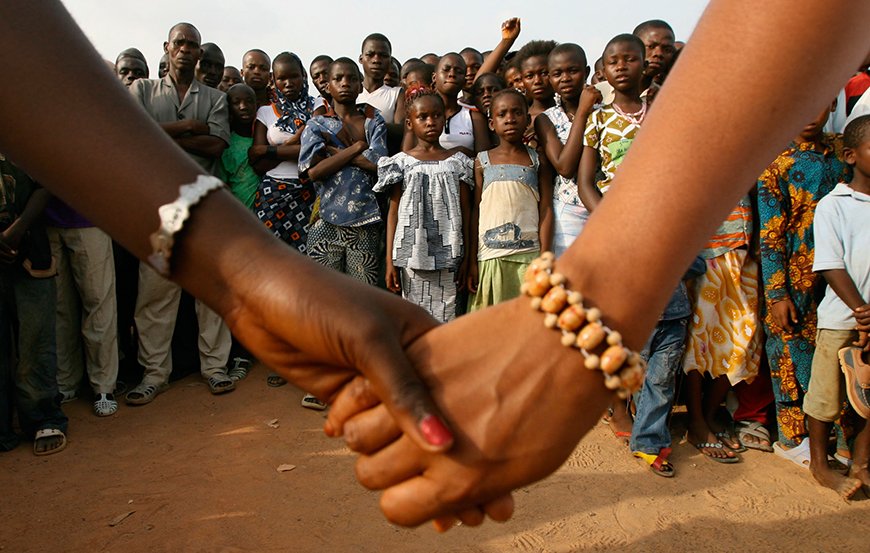
May 25 marks African Liberation Day, a moment when the peoples of Africa commemorate a long history of resistance against colonialism, discrimination, and exploitation. It is a day that recalls how African leaders in the 1960s united around the vision of building an independent continent capable of controlling its own political and economic destiny, free from the foreign domination that drained its resources for decades.
Yet today, the meaning of liberation in Africa is no longer tied solely to the departure of the traditional colonial power. The concept has become far more complex in light of new forms of influence, political interference, military involvement, and economic dependency that continue to shape the fate of many African states, either directly or indirectly.
Although decades have passed since most African nations gained formal independence, the continent continues to struggle with chronic crises, including civil wars, coups, foreign intervention, poverty, institutional fragility, and conflicts driven by resources and geopolitical competition.
Read More: African Union Convenes Peace Summit in Gabon
As a result, discussing African liberation today is no longer merely an exercise in remembering the past; it has become a call to redefine the meaning of genuine independence and to construct a new African project based on sovereignty, regional cooperation, and the protection of peoples from exploitation and conflict.
At the center of these challenges stands Sudan, which in recent years has become one of the continent’s gravest humanitarian and political tragedies. A devastating war has claimed thousands of lives and pushed millions into displacement, hunger, and collapse.
This year’s African Liberation Day arrives as Sudanese citizens confront painful questions about the role of Africa and its institutions in ending the war, protecting civilians, and preventing the country from descending further into fragmentation and state failure.
Liberation from Neo-Colonialism
When African peoples fought against European colonialism, the battle was clearly defined: direct occupation, military domination, resource extraction, and political and cultural control. Today, however, the mechanisms of domination have become more sophisticated and less visible.
Many African states now find themselves subject to economic, political, and security pressures that leave national decision-making constrained by external interests or regional alliances that often override the will of their populations.
Wars in Africa are no longer purely domestic conflicts. In many cases, they have evolved into extensions of broader struggles over influence and strategic interests, where armed groups and political or ethnic divisions are exploited as instruments to weaken states and exhaust their resources.
Read More: African Leaders Gather in Ethiopia for Annual African Union Summit
At the same time, continued economic dependency and the absence of sustainable development have prevented many African countries from achieving full sovereignty despite decades of formal independence.
Africa therefore requires a new wave of liberation — not from conventional military occupation, but from political and economic dependency and from interventions that fuel wars and obstruct stability.
The continent also needs stronger cooperation among its states based on shared interests and mutual respect for sovereignty, rather than allowing internal crises to become arenas for external competition and interference.
Sudan: The War That Exposed African Contradictions
In Sudan, the crisis appears particularly painful and complex. Since the outbreak of war between the Sudanese Armed Forces and the Rapid Support Forces, the country has descended into one of the world’s worst humanitarian disasters.
Cities and infrastructure have been devastated, essential services have collapsed, and millions of civilians have found themselves trapped between displacement, hunger, and fear.
Yet Sudan’s tragedy is not solely the product of internal conflict. International reports, human rights organizations, and global media outlets have repeatedly pointed to regional and African actors that have contributed — directly or indirectly — to the continuation of the war through political, logistical, or military support, further complicating the crisis and prolonging its duration.
Read More: What Is Happening in Sudan and Why It Is Not Getting the Attention It Deserves
African states should have concentrated their efforts on ending the war and supporting political and humanitarian solutions, rather than allowing some parties to become part of the problem itself.
Many Sudanese expected a stronger and more principled position from the African continent, especially given Sudan’s historical role in supporting liberation movements and African causes over decades. Instead, the reality has revealed weak continental solidarity and the inability of regional institutions to respond decisively to one of the most dangerous crises Africa faces today.
The Sudanese conflict has become a stark example of the dangers posed by proxy wars and external interference within Africa. The suffering of civilians has often appeared secondary to political calculations and regional interests, while the Sudanese people continue to pay the price of a war threatening their future, national unity, and social stability.
African Union and the Responsibility to Reclaim Its Role
Today, the African Union faces a defining test in Sudan and across the continent more broadly. The institution, established to strengthen African unity and safeguard peace and stability, must free itself from the influence of competing state interests that weaken its decisions and limit its ability to intervene effectively during crises.
The African Union must regain the independence of its political decision-making and evolve from an institution that merely issues statements into one capable of exerting real pressure, mediating conflicts, and shaping solutions.
Africa cannot continue speaking about liberation and unity while remaining unable to stop wars, protect civilians, or prevent interventions that contribute to the collapse of states.
African Liberation Day will remain more than a symbolic historical anniversary only if Africa confronts its crises with honesty and courage and succeeds in building a genuine project grounded in independence, development, and peace.
Sudan today represents one of the continent’s most significant tests: either Africa succeeds in helping save its people and restore stability, or the rhetoric of liberation will remain little more than ceremonial language repeated each year while wars and divisions continue tearing African societies apart.
*The views presented in this article are the authors’ own and do not necessarily reflect the views of The Diplomatic Insight.

Abdelazim Allahgabo
Abdelazim Allahgabo is a multimedia journalist, TV correspondent, and editorial columnist. A creative professional with a diverse skill set, he is also an experienced voiceover artist, photographer, and designer. Abdelazim focuses on covering Sudanese affairs, blending his journalistic reporting with a sharp perspective in his editorial writing.