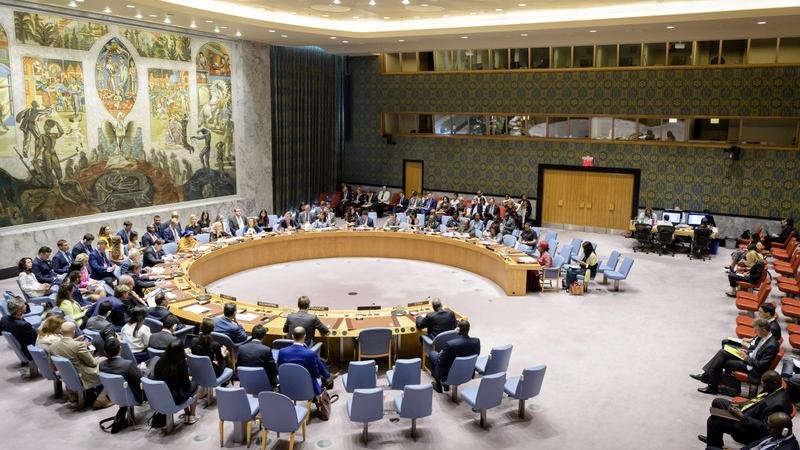
New York (TDI): The UN Security Council voted unanimously to extend the mandate of the United Nations Assistance Mission in Afghanistan (UNAMA) for a full year, through June 17, 2027.
The vote ended months of uncertainty over the mission’s future as all 15 council members backed the measure. The renewal follows a more cautious approach earlier this year.
In March, the council had only granted a short three-month extension, a move made to give member states more time to debate proposed changes to the mission’s mandate ahead of a final decision by June 17.
UNAMA has operated in Afghanistan since being established in 2002 to support implementation of the Bonn Agreement, with its mandate evolving repeatedly since then to reflect shifting conditions in the country, including under Taliban rule since 2021.
United Nations Security Council Resolution 2822 (2026), unanimously adopted by the Council on Monday, extends the mandate of the UN Assistance Mission in #Afghanistan (UNAMA) until 17 June 2027.
View the Resolution here: https://t.co/e3Ig8FXJGM pic.twitter.com/Xq35g7hvf5— UNAMA News (@UNAMAnews) June 16, 2026
China, which drafted the resolution, took credit for steering it through the council. Ambassador Fu Cong said the text preserves and reinforces UNAMA’s central functions while trimming mandate elements deemed outdated or redundant.
Beyond the one-year extension, the resolution adds new reporting requirements. The council asked the Secretary-General to report every three months on conditions in Afghanistan and on how UNAMA’s mandate is being carried out, including at the subnational level, and to deliver a strategic review of the mission by March 31, 2027.
That review is meant to help the mission operate more effectively and coherently, cut duplication, and identify obstacles standing in the way of fulfilling its mandate.
Discussion among council members during the session repeatedly returned to the treatment of Afghan women and girls under Taliban governance.
Read More: Pakistan Backs UNAMA Renewal, Warns of Growing Terrorism from Afghanistan
Several speakers warned that the systematic exclusion of women and girls from public life continues to undermine the country’s stability and development.
Colombia’s representative, serving as council president for June, voiced sharp criticism of ongoing restrictions, while other members underscored that a strong UNAMA presence remains essential to avoiding a vacuum and sustaining international engagement with Afghanistan amid its overlapping humanitarian, political, security and human rights crises.
The renewed mandate keeps UNAMA as the UN’s principal political presence in Afghanistan at a time when the country continues to face severe humanitarian needs, a fragile economy, climate-driven pressures such as flooding and water scarcity, and deepening restrictions on civil and political life imposed by the de facto authorities.
UNAMA’s leadership in Kabul, currently headed on an interim basis by Deputy Special Representative Georgette Gagnon, is expected to brief the council again before the next quarterly reporting deadline.