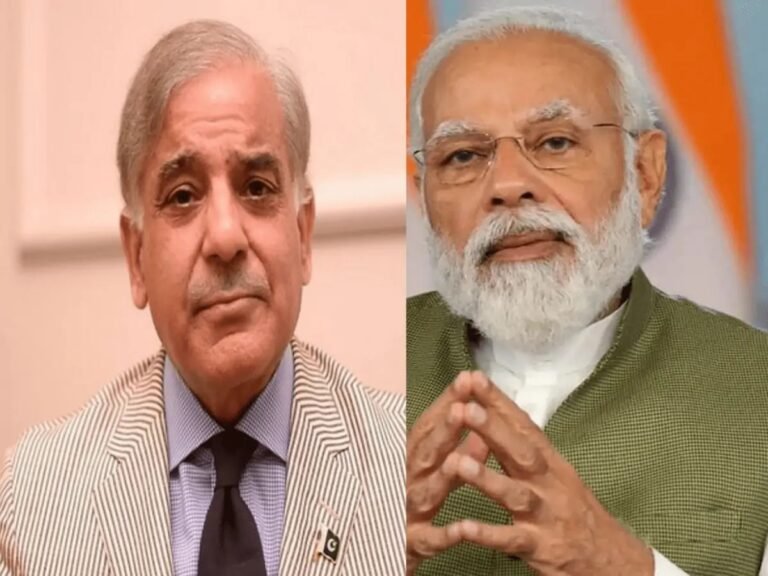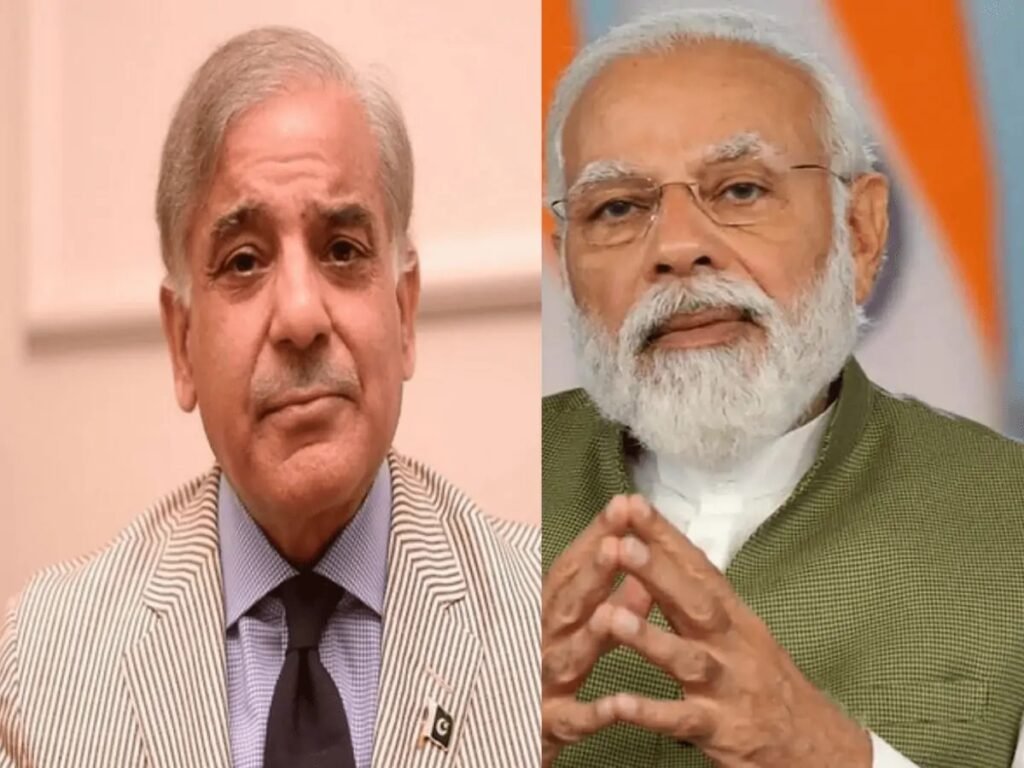
Islamabad (TDI): Indian Prime Minister Narendra Modi’s decade-long efforts to diplomatically isolate Pakistan have failed to produce the intended results, according to a report by Al Jazeera, which argues that Islamabad has instead emerged as an increasingly significant diplomatic player on the global stage.
The assessment comes nearly ten years after Modi pledged to isolate Pakistan following a 2016 attack in Indian Illegally Occupied Jammu and Kashmir (IIOJK) that killed 18 Indian soldiers. Addressing a public rally at the time, the Indian leader vowed that New Delhi would work to ensure Pakistan remained isolated internationally.
However, analysts cited in the report contend that Pakistan today is far from isolated. The country maintains strong strategic ties with China and has also strengthened engagement with the United States under President Donald Trump. Over the past year, Prime Minister Shehbaz Sharif and Chief of Defense Forces Field Marshal Syed Asim Munir have both held high-level meetings in Washington.
According to the report, Pakistan has effectively utilized changing geopolitical dynamics and regional developments to establish itself as a relevant diplomatic actor. Its role in facilitating communication and mediation efforts between Washington and Tehran has further enhanced its international profile.
Pakistan-India relations have remained largely frozen in recent years, marked by limited diplomatic engagement and periodic military tensions. Analysts suggest that the brief conflict between the two countries in May 2025 became a significant moment in shaping international perceptions regarding South Asian security and regional stability.
Read More: Pakistan Tells UNSC India Stands Exposed on Terrorism and Aggression
The report notes that while India insisted the ceasefire ending the conflict was achieved through bilateral channels, President Trump repeatedly stated that the United States played a key role in brokering the truce and preventing a potentially wider confrontation between the two nuclear-armed neighbours.
Analysts further argue that India struggled to gain broad international support for its claims regarding Pakistan’s alleged role in the events that triggered the conflict. Meanwhile, Pakistan’s acknowledgement of international mediation efforts helped strengthen its diplomatic standing with key global partners.
The report also highlights Pakistan’s improving relations with regional countries, including Bangladesh, while cooperation with China continues to deepen across economic, strategic and security sectors. At the same time, Islamabad has expanded defense and security cooperation with several Gulf countries, enhancing its influence in the Middle East.
Observers say the evolving geopolitical landscape demonstrates that diplomatic influence increasingly depends on a country’s ability to engage multiple partners and navigate complex regional dynamics. Pakistan’s recent diplomatic initiatives are cited as an example of how middle powers can leverage strategic opportunities to enhance their international relevance.
Read More: Pakistan-India Crisis May 2025: A Year Later, Success at Sea and Takeaways for Future
Analysts believe that South Asia will remain a focal point of global diplomacy in the coming years, with regional stability, economic integration and security cooperation continuing to shape relations among major powers and neighbouring states.
As international alliances evolve and new geopolitical realities emerge, countries across the region are expected to pursue more flexible and pragmatic foreign policies aimed at securing economic growth, strategic partnerships and long-term stability.