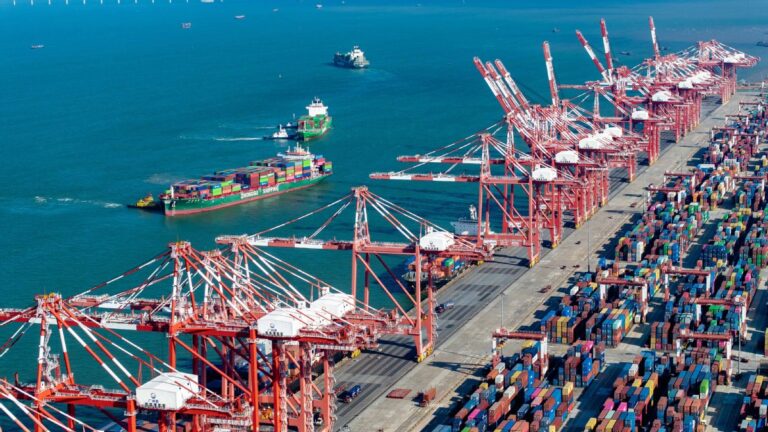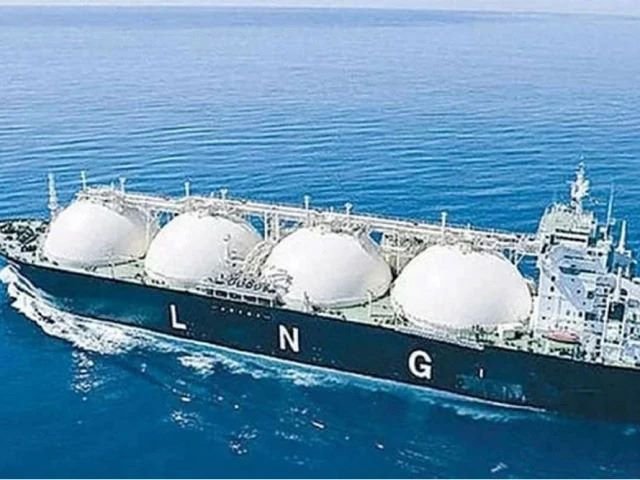
Bangkok (TDI): Pakistan is among the Asian countries most severely affected by disruptions to liquefied natural gas (LNG) supplies following the closure of the Strait of Hormuz, with its heavy dependence on Gulf suppliers exposing the country to growing energy security risks, according to a Gastech report.
The report, The Outlook for Gas and LNG Markets in Asia, said Qatar and the United Arab Emirates together account for around 99 percent of Pakistan’s LNG supplies, which are mainly used for power generation, fertilizer production and industrial activity. LNG makes up about 30 percent of the country’s total gas supply.
The disruption has highlighted Pakistan’s vulnerability to geopolitical shocks affecting major energy routes. The International Energy Agency has said Bangladesh, India and Pakistan were particularly exposed because a large share of their LNG supplies transited the Strait of Hormuz, while Pakistan’s gas-fired power generation accounted for around 25 percent of its electricity mix in 2024.
The Gastech report said Asian governments are increasingly examining ways to make their energy systems more resilient by reducing dependence on vulnerable supply routes.
Read More: Pakistan Receives Qatari LNG Cargo Amid Rising Hormuz Tensions
For Pakistan, this could mean accelerating investment in renewable energy, including utility-scale solar, wind farms and commercial rooftop solar, alongside greater deployment of energy storage.
The report also pointed to the need for additional gas storage, more flexible power-generation systems and stronger operating reserves to help countries respond to unexpected supply disruptions.
Read More: Pakistan Receives First LNG Cargo After Weeks of Disruption
Pakistan has already been looking toward alternative sources of electricity, including coal, hydropower and nuclear power, as LNG availability and prices remain uncertain. The disruption is also expected to place additional pressure on power-generation costs.
The IEA has similarly reported that higher LNG prices following the disruption have encouraged fuel switching from gas to coal in several Asian markets.