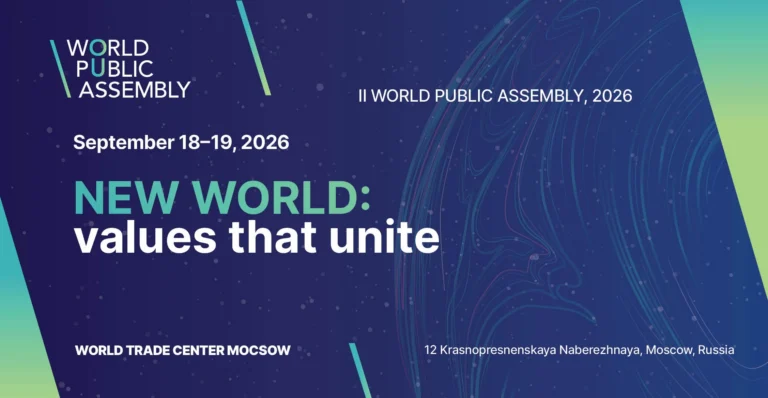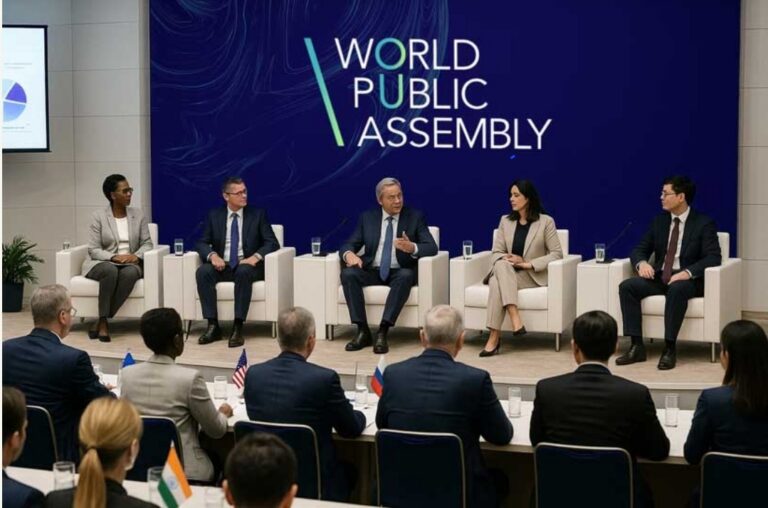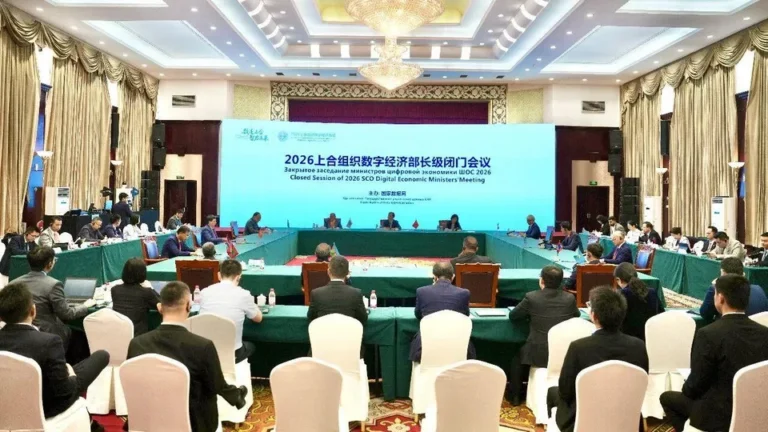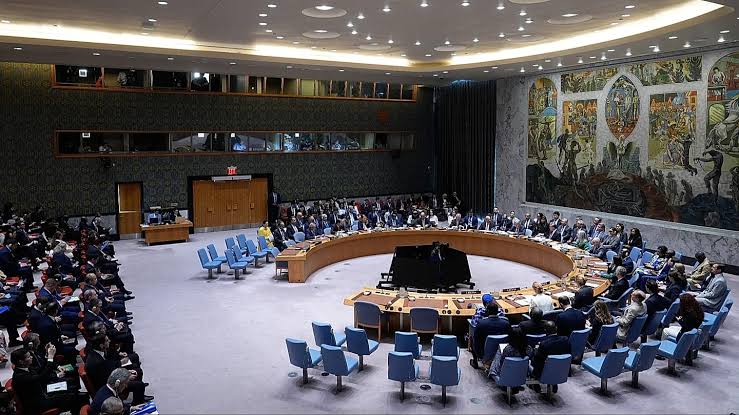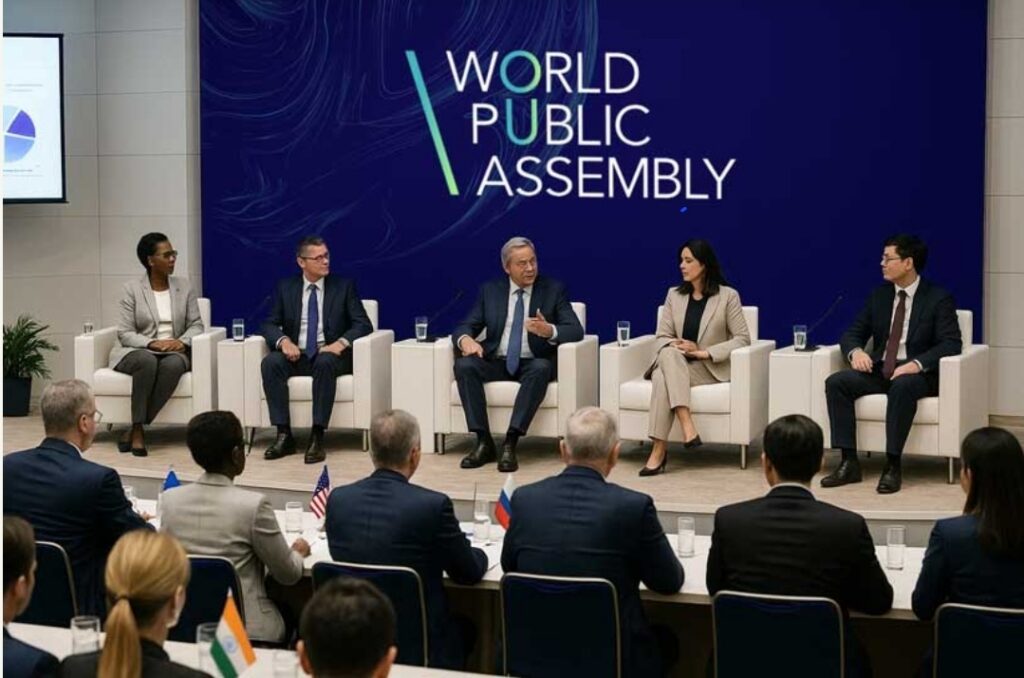
Moscow (TDI): The Second World Public Assembly, themed “New World: Values That Unite,” opened Friday at the World Trade Center in Moscow, bringing together representatives from more than 150 countries for two days of discussions on public diplomacy, humanitarian cooperation and the values shaping international relations.
The Assembly has brought together representatives of civil society, international organizations, academia, diplomacy, culture, business, youth organizations and the media.
Organized by the World Peoples Assembly, the gathering builds on the first World Public Assembly held in Moscow in September 2025 and follows a series of regional public summits held during 2026 in India, Brazil and Ethiopia.
The central theme of the opening day is the search for values capable of strengthening trust and cooperation while preserving cultural, historical and civilizational diversity.
The program includes discussions on human dignity, trust, justice, peace, historical memory, cultural heritage, education, scientific cooperation and the role of younger generations in international dialogue.
One of the prominent discussions scheduled for Friday is “The Spirit of the Elbe Forever: The Value of History and Responsibility for the Future,” bringing together Russian, American and international experts to examine how historical cooperation can contribute to dialogue amid contemporary geopolitical divisions.
Organizers have also proposed establishing a permanent “Spirit of Elbe” initiative under the World Peoples Assembly focusing on research, education and youth exchanges.
Media and information cooperation also feature prominently on the first day. The “Media in the Service of Humanity” forum is bringing together journalists, editors and media experts from countries including the United States, United Kingdom, France, India, Brazil, Mexico, Egypt, Kenya and Russia.
Discussions are addressing journalistic responsibility, artificial intelligence, information reliability and international media cooperation, with participants expected to formulate proposed Principles of Responsible Journalism.
A notable proposal emerging from Friday’s proceedings came from Sameep Shastri, President of the BRICS Chamber of Commerce and Industry, who called for the development of alternative communication platforms to connect countries participating in the Assembly. He also proposed mechanisms to ensure continuity between the Assembly’s regional summits and future editions.
The Assembly will continue on September 19, with further discussions on historical memory, international cooperation, youth diplomacy and humanitarian initiatives before concluding with the presentation of outcomes and the World Public Recognition Award “For Service to Humanity.”