In a world where borders are becoming increasingly connected by diplomacy, migration, trade, literature, technology and culture, language can still remain one of the most significant barriers between people. Every day, however, that barrier is quietly overcome. On 30 September, United Nation Observance of the International Translation Day offers an opportunity to recognize the people who make this possible.
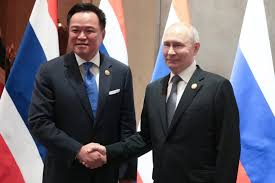
It is the day of the feast of St. Jerome, the Bible translator who is considered the patron saint of translators. While translation is often associated with books, documents and written texts, some of its most remarkable work happens in real time, through interpreters who allow people speaking different languages to communicate almost instantaneously. The importance of interpreters becomes particularly visible in international diplomacy.
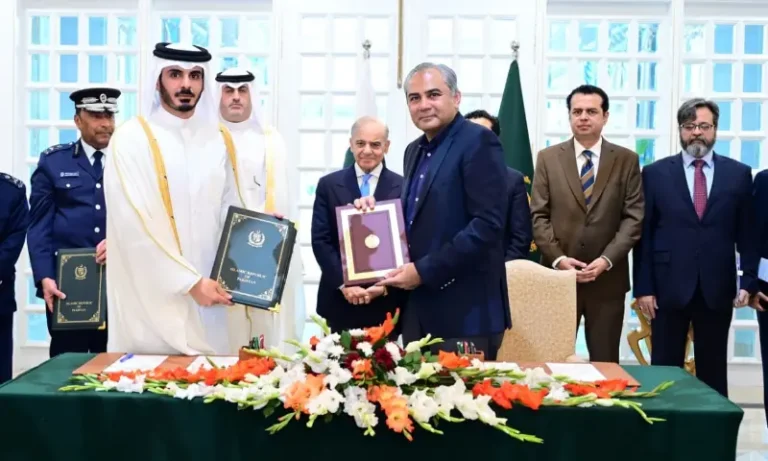
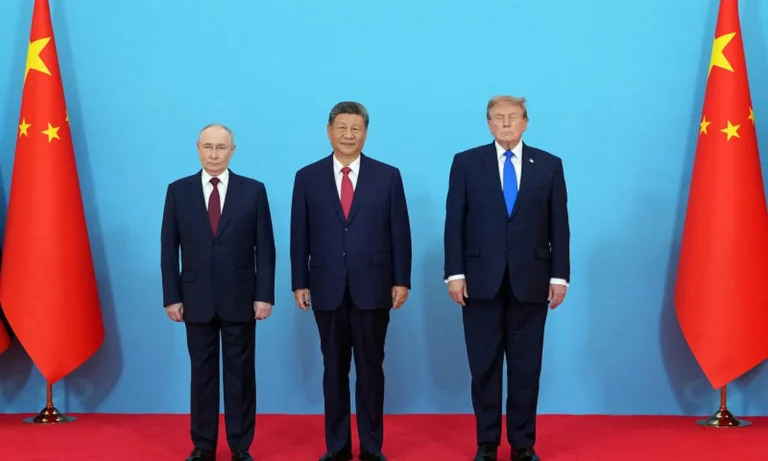
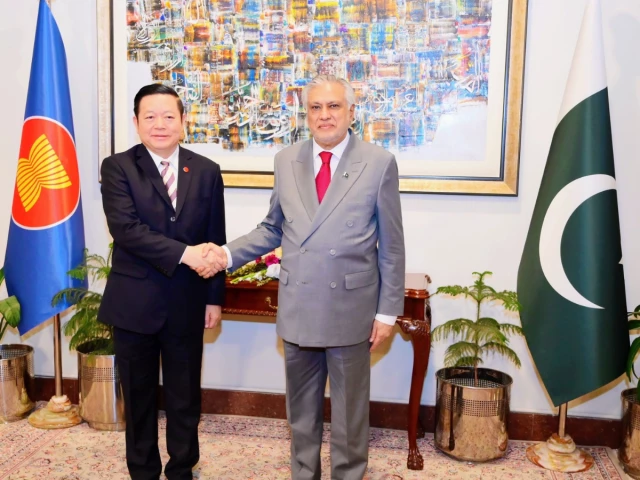
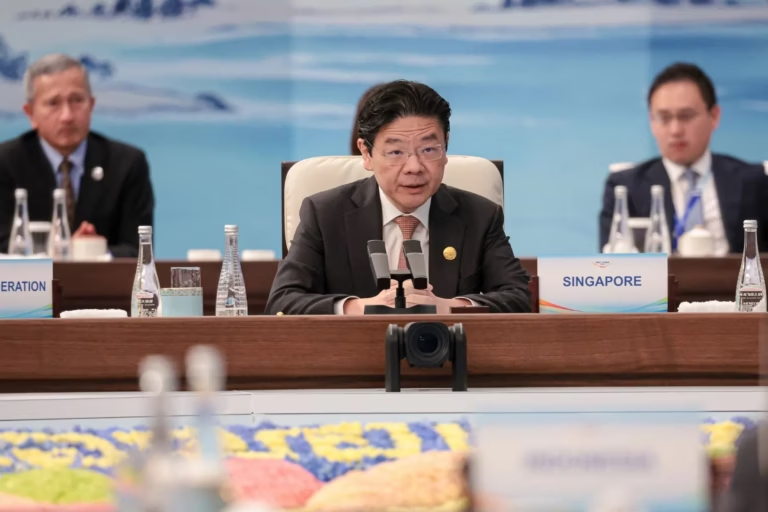
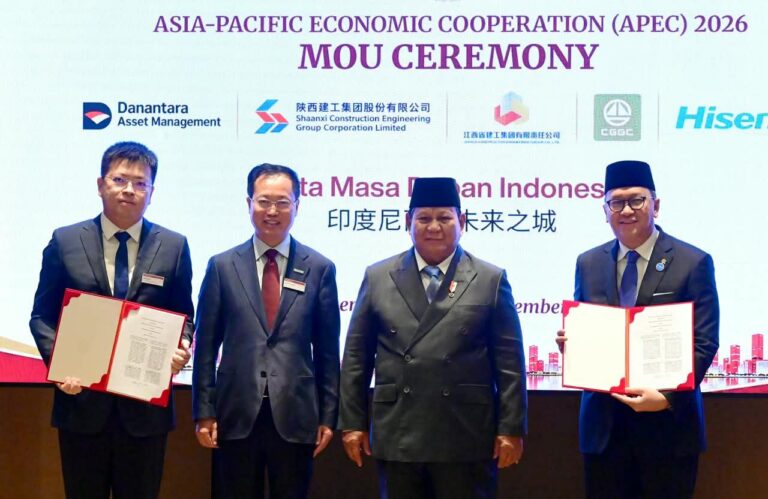
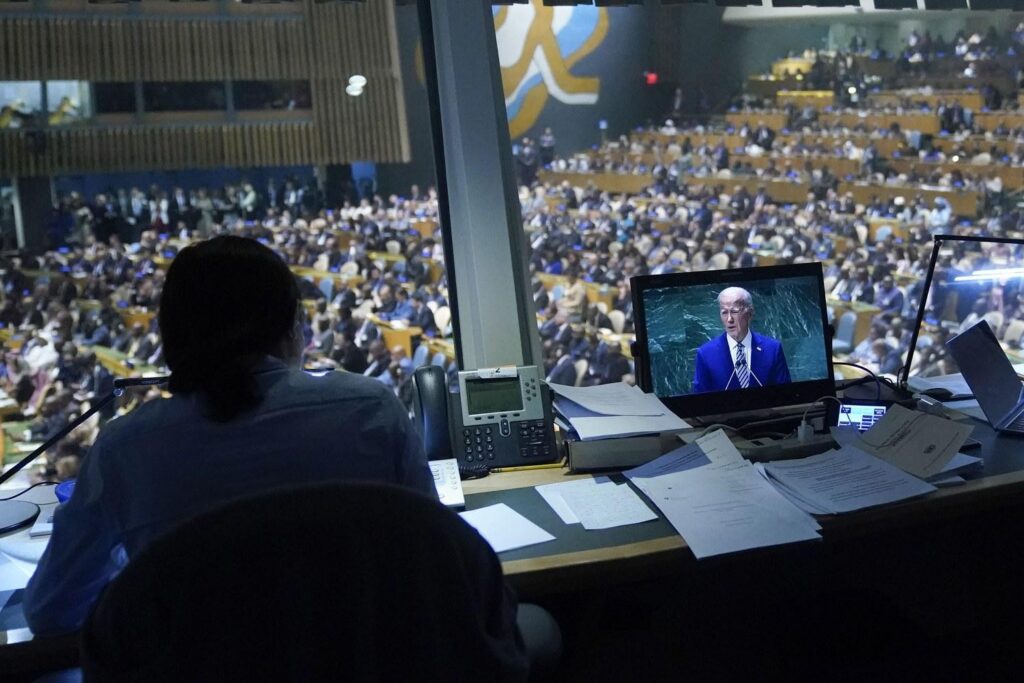
At the United Nations, representatives from different countries can speak in their own languages while interpreters simultaneously communicate their words to audiences in other official languages. Behind every speech heard across a language barrier is a professional who is listening, processing and speaking almost at the same moment. In a diplomatic environment, where a single statement can carry political meaning, this is far more than a technical task.
The accuracy of an interpretation can affect how a position is understood, how a negotiation develops and how two parties respond to one another. There is something extraordinary about the real-time nature of this work. A written translator can return to a sentence, consult terminology and reconsider a choice of words. A simultaneous interpreter has no such luxury.
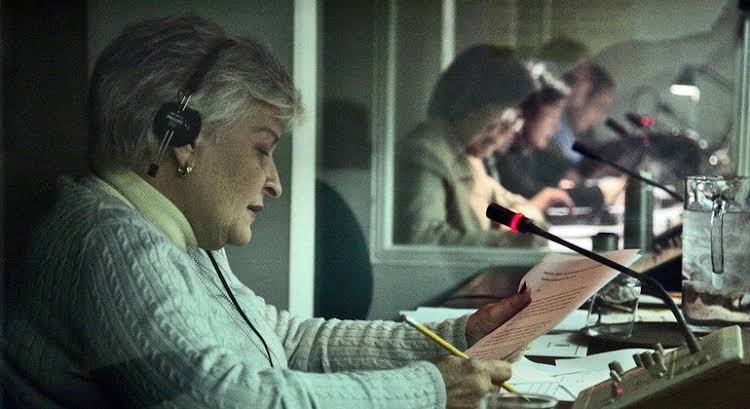
The interpreter must absorb the meaning of one sentence, anticipate where the argument is going, find the appropriate expression in another language and deliver it to the listener while the speaker is still talking. An idiom, political reference, cultural expression or technical term may appear without warning.
The interpreter must make sense of it within seconds. Their work requires linguistic knowledge, concentration, cultural awareness and an understanding of the subject being discussed.
This is particularly important when translation becomes a language of peace. International negotiations, humanitarian discussions and conflict-resolution efforts frequently bring together people whose languages and cultural experiences are different. Before an agreement can be reached, there must first be communication. Interpreters create that possibility.
The importance of language professionals extends far beyond conference rooms and diplomatic tables. Translation allows stories to cross borders. The poetry of Rumi, the magical realism of Gabriel García Márquez and the novels of Haruki Murakami have reached readers around the world because their ideas could travel beyond the languages in which they were originally written.

Through translation, literature becomes a meeting place between cultures. A reader does not need to speak Persian, Spanish or Japanese to encounter a writer’s imagination, because someone has carried those words across a linguistic boundary. The same process helps preserve culture and heritage. Languages contain histories, traditions, memories and ways of understanding the world.
When cultural knowledge is translated, it can reach audiences beyond the community in which it originated. Indigenous histories, oral traditions, historical accounts and literary works can therefore become part of a wider global conversation without losing the importance of their original cultural context. Translation allows cultures to introduce themselves to the world rather than remaining confined by the limits of language.
Globalization has made this exchange increasingly necessary. People migrate, study abroad, conduct business across continents, travel for tourism and collaborate on scientific research with colleagues thousands of kilometers away. International organizations communicate with populations speaking different languages, while journalists and researchers increasingly address audiences beyond their national borders.
In all these spaces, translation allows information to move. But when communication needs to happen immediately in a conference, courtroom, hospital, classroom or diplomatic meeting, it is the interpreter who makes that movement possible in real time. This is why interpreters deserve to be recognized not merely as people who know several languages, but as professionals who facilitate human connection.
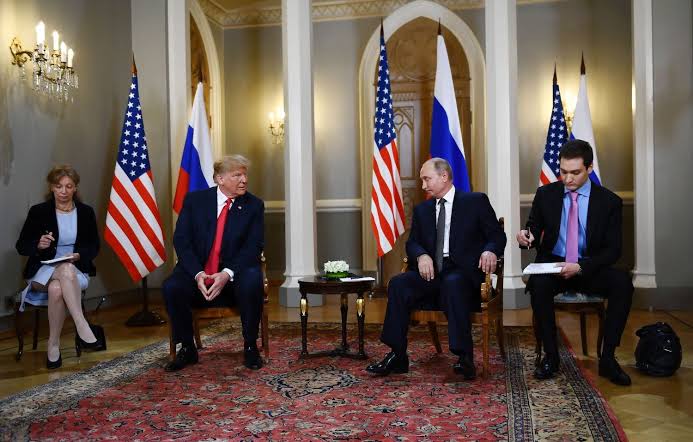
They operate in the brief space between hearing and speaking, constantly making decisions about meaning while remaining faithful to another person’s words. Their presence allows the speaker to remain focused on what they want to say and the audience to focus on what they are hearing. The better the interpretation, the less visible the interpreter becomes.
That invisibility is perhaps the most remarkable part of their profession. When an international leader addresses a room filled with representatives from different countries, the audience rarely thinks about the voices in the interpretation booths. When a diplomat speaks during a negotiation, listeners hear the message as though it were originally spoken in their own language. The interpreter has succeeded by making the linguistic barrier almost disappear.
International Translation Day, therefore, is not simply a celebration of translated books or written language. It is also a moment to recognize the people who make communication possible when there is no time to pause. Translation carries ideas across borders, but interpretation carries human voices across the present moment.
From diplomacy and peacebuilding to literature, culture, education and global cooperation, language professionals help a multilingual world participate in a shared conversation.
In an increasingly globalized world, communication is not simply about having something to say. It is also about ensuring that someone else can hear and understand it. And sometimes, standing quietly between two languages, an interpreter is the person who makes that understanding possible.