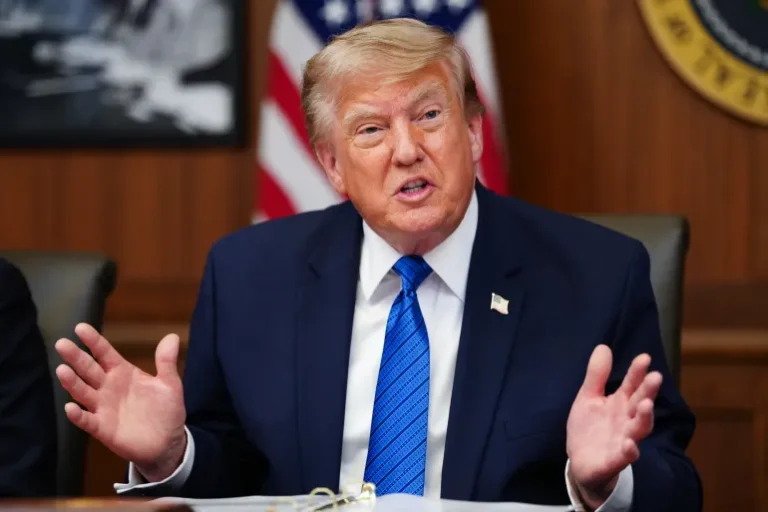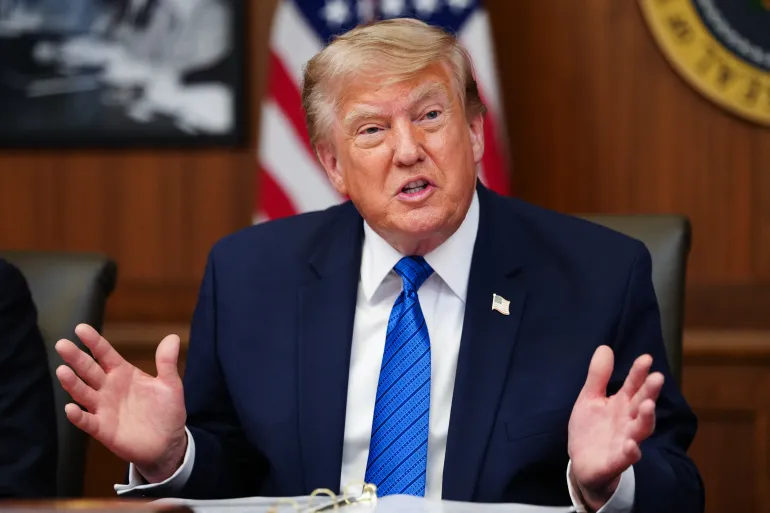
US President Donald Trump has said Iran wants an agreement with Washington but is not yet prepared to accept terms he considers sufficient, while also indicating that he is weighing whether to resume major military operations as the conflict enters a critical diplomatic phase.
Trump has described himself as facing a significant decision over whether to intensify attacks or continue pursuing a negotiated outcome, maintaining pressure on Tehran while keeping the possibility of diplomacy open.
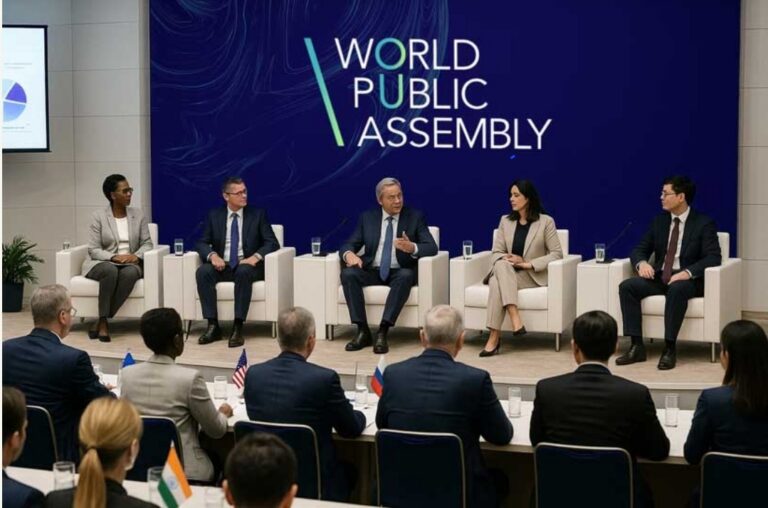
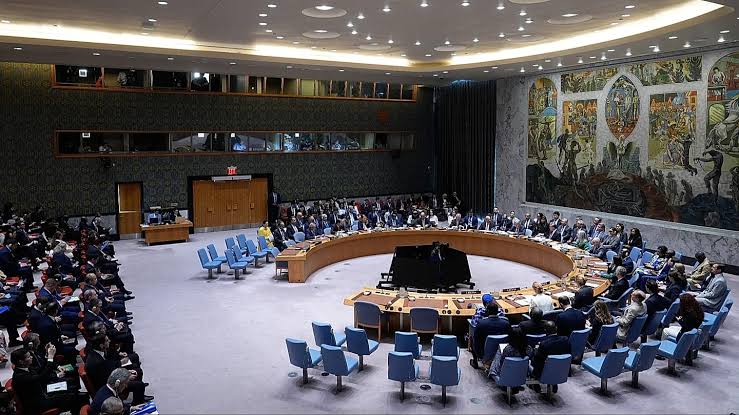
His remarks come as Washington prepares for high-level discussions with Gulf Cooperation Council states on the sidelines of the United Nations General Assembly in New York.
Leaders or senior representatives from Saudi Arabia, the United Arab Emirates, Qatar, Bahrain, Kuwait and Oman are expected to take part in talks focused on the Iran conflict, regional security and the conditions required for de-escalation.
The meeting is likely to provide Gulf governments with an opportunity to directly shape discussions over the future of a conflict that has affected their security, energy exports and strategic infrastructure.
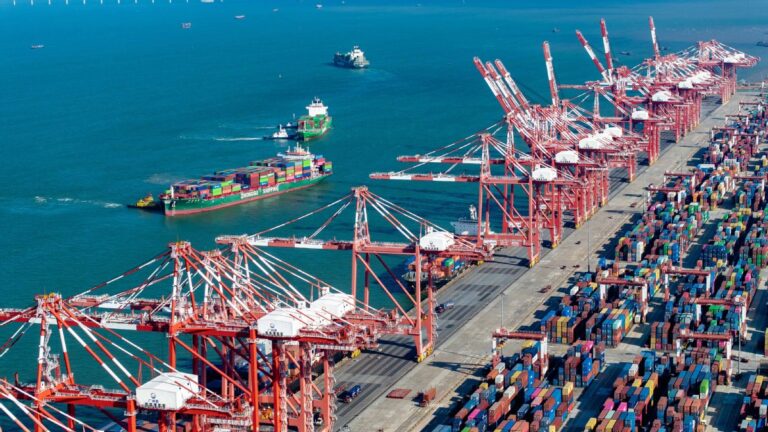
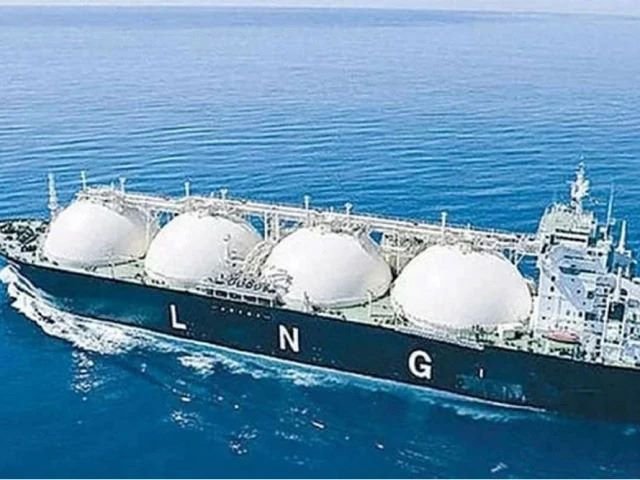
The Gulf states have increasingly become central to any potential diplomatic settlement. Several GCC countries host US military forces, maintain their own channels with Tehran and have been directly exposed to the consequences of Iranian missile and drone attacks, disruptions in the Strait of Hormuz and wider instability affecting energy markets and maritime trade.
Oman in particular has historically played a mediation role between Iran and the West, while Saudi Arabia, Qatar and the UAE have sought to balance security cooperation with Washington against the need to avoid uncontrolled regional escalation.
Trump has recently suggested that the war could be moving closer to an end and has claimed that Washington has received direct communication from Tehran regarding a possible agreement, although the scope and level of those contacts remain unclear.
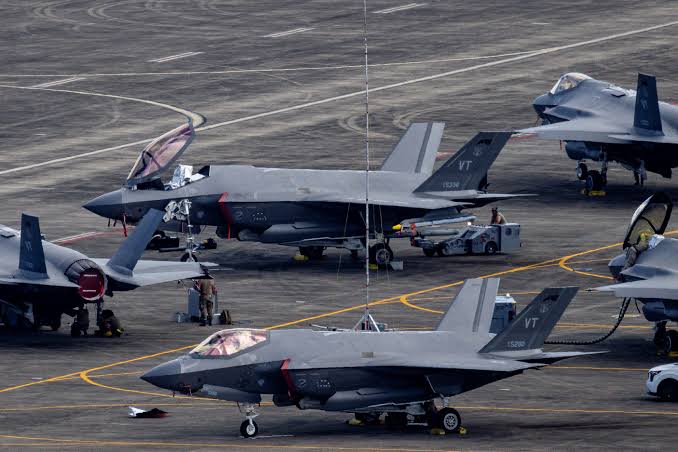
At the same time, the United States has continued to maintain significant military pressure on Iran and has not ruled out a renewed campaign if diplomatic efforts fail.
The timing of the upcoming UN meetings therefore creates one of the most important diplomatic windows since the conflict began.
Iranian President Masoud Pezeshkian and Foreign Minister Abbas Araghchi are expected to attend the General Assembly, placing senior Iranian and American officials in the same city alongside Gulf leaders and other major international actors.
Whether that proximity produces formal negotiations remains uncertain, but it increases the possibility of indirect diplomacy, mediation and parallel consultations.
The broader question is whether Washington will choose to escalate militarily or use the UN gathering to explore a framework that could reduce hostilities.
For the Gulf states, the outcome will be especially significant because any future agreement involving Iran will directly affect regional deterrence, maritime security and the longer-term security architecture of the Middle East.
Anoush Taimur is an International Relations graduate from DHA Suffa University, Karachi, currently based in Doha. Her research interests include Gulf politics, small-state diplomacy, Global South studies and conflict
mediation. Her work examines how states create influence through connectivity, institutions and strategic relationships. She can be reached at [email protected]