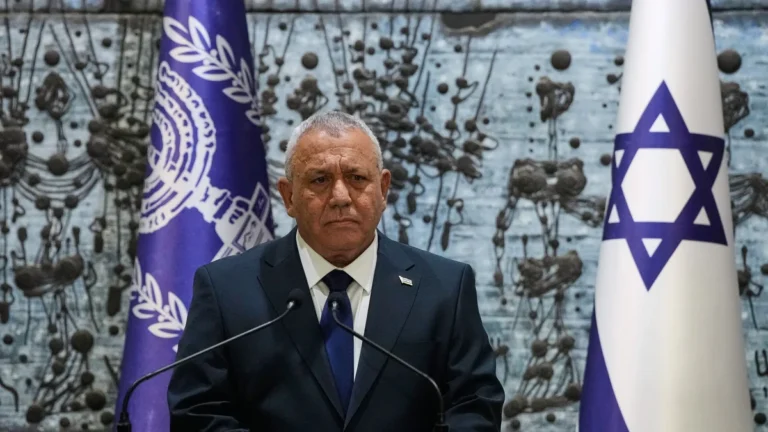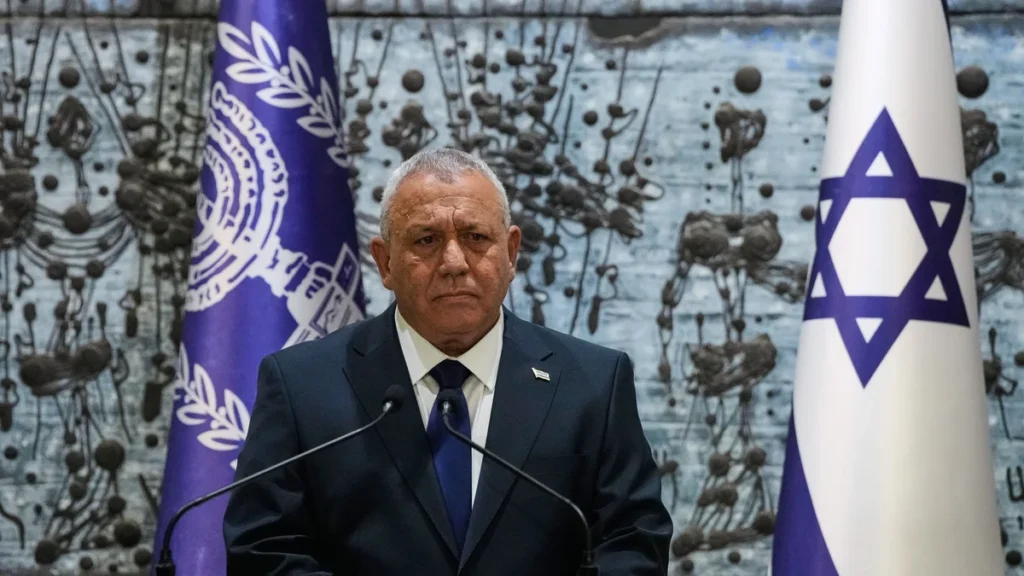
Tel Aviv (TDI): Israel’s newly elected parliament is set to be sworn in on Tuesday, with Prime Minister Benjamin Netanyahu facing the loss of his majority as opposition leader Gadi Eisenkot seeks to assemble a coalition government.
President Isaac Herzog is scheduled to address the 120-member Knesset at 4 p.m. local time (7 p.m. PKT). Neither Netanyahu’s right-wing bloc nor Eisenkot’s opposition alliance currently commands a parliamentary majority, setting the stage for a potentially difficult coalition-building process.
The opposition hopes to use its increased legislative influence to advance key priorities, including establishing a commission of inquiry into the security failures under Netanyahu’s government that preceded the October 7, 2023, Hamas attack, the deadliest day in Israel’s history.
Herzog on Sunday formally tasked Eisenkot with forming a government, giving him 28 days to secure the necessary parliamentary support. The president may grant an additional 14 days if required.
Ahead of the parliament’s opening session, Eisenkot’s Yashar party announced progress in selecting candidates for key parliamentary positions.
The opposition plans to nominate Matan Kahana, a former senior military figure, for speaker of the Knesset. Avigdor Lieberman, a right-wing opposition leader who has emerged as an influential figure in coalition negotiations, is expected to be nominated as chair of the Foreign Affairs and Defense Committee.
Read More: Eisenkot Begins Government Formation Bid, Warns of Israel’s Growing International Isolation
The speaker’s position will be contested, as the opposition candidate must secure more votes than any nominee backed by Netanyahu’s bloc. The prime minister’s allies have reportedly been seeking to delay the vote.
A new government would require at least 61 votes in the 120-member parliament to secure approval. Eisenkot’s core opposition bloc holds 48 seats, fewer than Netanyahu’s current parliamentary strength. However, the opposition could reach the required majority with support from Arab-Israeli lawmakers, who secured a record number of seats amid growing dissatisfaction within the minority community over Netanyahu’s hard-right government.
Nineteen Arab-Israeli lawmakers could potentially support Eisenkot’s coalition without formally joining it. Such backing, however, faces political obstacles.
Lieberman has ruled out relying on Arab-Israeli parties to bring the opposition to power. Instead, he has floated the possibility of an alliance with ultra-Orthodox Jewish parties, despite his longstanding criticism of their efforts to preserve exemptions from compulsory military service.
The two ultra-Orthodox parties hold 13 seats and could provide Eisenkot with the numbers needed to form a government if they abandon their longstanding alliance with Netanyahu. His government has supported military service exemptions for ultra-Orthodox men, although the issue remains politically contentious and has not been fully resolved through legislation.
Any coalition built around either Arab-Israeli or ultra-Orthodox support could prove fragile because of significant policy differences. Arab-Israeli lawmakers, for instance, are likely to oppose another major Israeli military offensive in Gaza, while disagreements over military service exemptions could complicate cooperation with ultra-Orthodox parties.
Read More: Herzog to Decide Who Forms Next Government as Eisenkot Secures Backing of 67 Lawmakers
Eisenkot, a former military chief, has broadly supported Netanyahu’s major wartime decisions. However, he has pledged to take tougher action against extremist Israeli settlers in the occupied West Bank who have been accused of attacking Palestinians and seizing their property with little accountability.
The coming weeks will therefore be crucial for Israel’s political future, as Eisenkot attempts to translate the opposition’s parliamentary gains into a governing majority while Netanyahu seeks to retain influence over the new Knesset.