Pakistan and Uzbekistan’s bilateral relationship has evolved rapidly from cordial post‑Cold War diplomacy to a multi-dimensional strategic partnership; encompassing political, economic, security, and regional cooperation. Pakistan was among the first countries to recognize Uzbekistan, leading to the formal establishment of diplomatic relations in 1992. Strategically located at the heart of Central Asia, Uzbekistan is one of only two doubly landlocked countries in the world entirely surrounded by other landlocked nations, sharing borders with five of them.
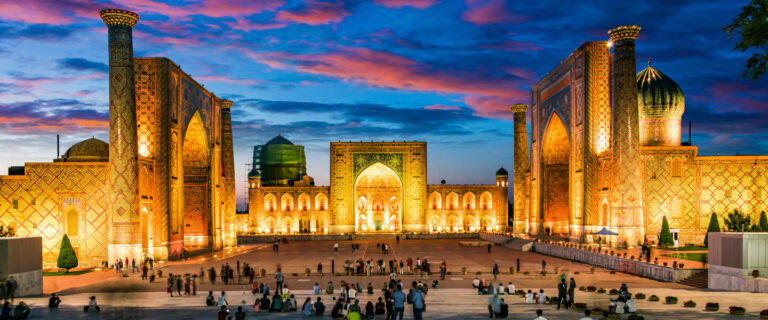
Uzbekistan and Pakistan are heirs to a rich heritage. For centuries, Pakistan and Uzbekistan were connected by the Silk Road, a vital route for trade and exchange of ideas and culture. Cities such as Samarkand and Bukhara in Uzbekistan were major centers of learning, art, and scholarship; shaping the region’s intellectual and cultural heritage. Buddhist monks from Taxila and Peshawar in present-day Pakistan traveled through Afghanistan to Termez and other parts of Uzbekistan, developing intellectual and spiritual exchange.
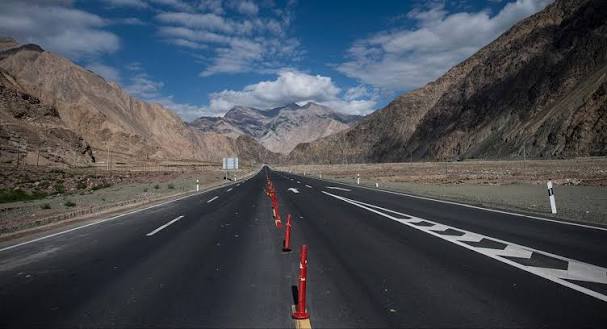
Today, this historical legacy is being revitalized through modern connectivity initiatives such as the China-Pakistan Economic Corridor (CPEC) and the Belt and Road Initiative (BRI), turning ancient pathways into modern corridors of trade, investment, and regional integration. It is also a reminder of the importance of regional connectivity and cooperation.
Historical ties are further reinforced through the Mughal dynasty, which had its roots in Central Asia. The first Mughal emperor, Babar, hailed from Uzbekistan and after leaving Central Asia, established the Mughal empire in northern India in 1526 while maintaining close links with his homeland. Successive Mughal rulers continued this tradition, bringing scholars, artists, and architects from Central Asia, enriching the culture, art, and architecture of South Asia and further strengthening the enduring bond between the two regions.
Linguistic and cultural connections also endure, with over three thousand words shared between Urdu and Uzbek, highlighting exchanges that long predate the emergence of Pakistan and Uzbekistan as independent and sovereign states.
The partnership between the two nations is also shaped by their geopolitical significance. Uzbekistan plays a pivotal role in promoting stability and security in Central Asia, while Pakistan’s strategic location in South Asia gives it influence over regional affairs. Together, their collaboration reflects a balance of strategic interests, economic cooperation, and regional engagement, grounded in both historical ties and contemporary challenges.
Diplomatic and Political Engagement
The early years of diplomatic relations between Pakistan and Uzbekistan were marked by a series of high-level visits and meetings aimed at establishing a framework for cooperation. In 1992, both countries signed a Treaty of Friendship and Cooperation, which served as the bedrock for future engagements in trade, security, and cultural exchange. Pakistan and Uzbekistan’s relationship has been shaped by several key historical moments, particularly in the realm of regional politics. In this period, both nations worked closely to address common threats, such as extremism and terrorism, while seeking to promote regional stability.
Pakistan also joined the Ashgabat Agreement in 2016, a multimodal transport and transit route initiative involving Central Asian countries, which included Uzbekistan as a founding member, laying the groundwork for future connectivity projects. Moreover, Pakistan and Uzbekistan’s cooperation extends to regional cooperation platforms such as the SCO, ECO, OIC, and the UN, where they advocate collective development agendas, support peace initiatives, and coordinate on global economic integration, including Uzbekistan’s bid for WTO accession.
In December 2024, Pakistan signed a memorandum supporting Uzbekistan’s accession to the World Trade Organization (WTO), a diplomatic gesture indicating Islamabad’s endorsement of Tashkent’s economic integration into global systems. This event reflects growing alignment on international economic governance and diplomatic cooperation in multilateral institutions.
Read More: Pakistan-Uzbekistan Ties in Focus as Mirziyoyev Lands in Islamabad
High-level visits and political consultations have been instrumental in elevating bilateral ties, especially in the past five years. The strategic partnership declarations in 2021 and 2022 marked a turning point, signaling intent to move beyond ceremonial diplomacy toward structured engagement. These diplomatic engagements gained momentum with a Joint Declaration on the Establishment of a Strategic Partnership in July 2021, the first major political milestone elevating bilateral relations beyond traditional goodwill.
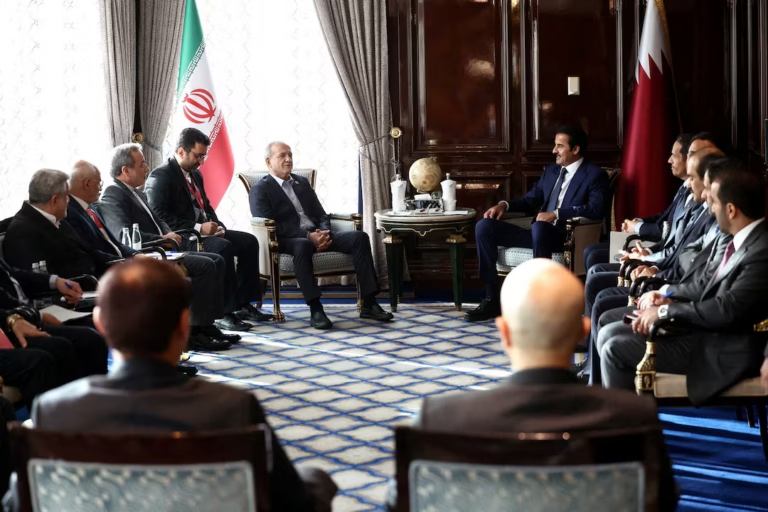
In March 2022, Uzbek President Shavkat Mirziyoyev’s visit to Pakistan resulted in another Joint Declaration on further enhancing the strategic partnership, accompanied by a series of agreements on trade, investment, and economic cooperation. The February 2025 visit by Pakistan’s Prime Minister Shehbaz Sharif to Tashkent was another pivotal moment. This visit produced multiple memoranda of understanding, the establishment of a Strategic Partnership Council, and reinforced political dialogue at the highest level. It marked a clear shift from periodic engagements to sustained strategic diplomacy.
Currently, President Mirziyoyev of Uzbekistan is scheduled to visit Pakistan in February 2026. This visit is being viewed as a significant diplomatic development, as Pakistan enjoys cordial relations with both Uzbekistan and has long sought to deepen its engagement with Central Asia. The announcement can be seen as a strategically significant diplomatic development, rather than a routine state visit. According to Pakistan’s Ministry of Foreign Affairs, the Uzbek President’s February visit underscores continued high-level engagement following a period of sustained active diplomacy between the two governments.
From a diplomatic standpoint, the visit reflects Uzbekistan’s recalibrated foreign policy under President Mirziyoyev, which prioritizes diversified partnerships, regional connectivity, and reduced overdependence on traditional power centers. Pakistan occupies an important place within this recalibrated approach, offering Uzbekistan access to South Asia and maritime trade routes that complement Tashkent’s regional connectivity vision. In this context, the visit should be viewed as part of Uzbekistan’s broader regional diplomacy that simultaneously strengthens bilateral engagement with Pakistan.
Economic Cooperation and Connectivity
Uzbekistan occupies a central position in Central Asia as the region’s largest consumer market and second largest economy, making it a strategically significant economic partner for Pakistan. Importantly, Uzbekistan is the first Central Asian country with which Pakistan concluded both a bilateral Transit Trade Agreement and a Preferential Trade Agreement covering 17 items. These early institutional arrangements laid the foundation for structured trade and transit, and reflected Pakistan’s long-term intent to integrate economically with Central Asia through Uzbekistan.
Despite this institutional groundwork, economic engagement between the two countries remained limited for an extended period. From the early 2000s through the late 2010s, bilateral trade remained modest, averaging between USD 15 and 20 million annually. Structural constraints, including limited physical connectivity, reliance on transit routes through Afghanistan, and persistent regional security challenges, constrained the scale and pace of economic exchange. Nevertheless, both governments sustained political commitment to economic cooperation, recognizing its strategic importance despite slow commercial progress.
A gradual shift became visible in the early 2020s. By January to December 2021, bilateral trade had reached USD 126.05 million, with Pakistan’s exports amounting USD 88.18 million and its imports from Uzbekistan, USD 37.87 million. This marked a transition from largely symbolic engagement toward measurable economic interaction. This period also coincided with Uzbekistan’s broader economic reforms under President Shavkat Mirziyoyev, which emphasized trade liberalization, foreign investment, and regional economic integration. These reforms created a more conducive environment for expanding trade with Pakistan.
Read More: Pakistan, Uzbekistan Review Economic Ties, Set $2B Trade Target
Over the past two years, Pakistan and Uzbekistan have worked deliberately to establish a new foundation for economic cooperation aligned with modern connectivity requirements and long-term regional integration. This phase has been characterized by growing political confidence and a clear shift toward a strategic economic partnership. Cooperation has expanded beyond trade to include science and technology, education, culture, and industrial development. Both countries have increasingly focused on joint projects aimed at strengthening industrial capacity and technological collaboration alongside commercial exchange.
The most visible outcome of this renewed engagement has been the sharp rise in bilateral trade. Trade volumes increased from the long-standing range of USD 15 to 20 million to more than USD 250 million in 2023. This growth reflects improved political coordination, enhanced institutional mechanisms, and increasing private-sector participation. While a substantial portion of trade continues to transit through Afghanistan, both governments have reaffirmed their commitment to revitalizing bilateral commerce in ways that also leverage Afghanistan’s economic potential and contribute to regional stability.
Institutional mechanisms have played a central role in sustaining this momentum. The Pakistan Uzbekistan Inter-Governmental Commission on Trade, Economic, Scientific, and Technical Cooperation has emerged as a key platform for coordinating economic policy and addressing practical barriers to trade. During the eighth meeting of the Commission held in Tashkent in February 2023, both sides agreed on an ambitious target of expanding bilateral trade to USD 1 billion. Achieving this target will depend not only on political goodwill but also on the effective implementation of existing agreements, particularly the Preferential Trade Agreement (PTA).
In this context, the Pakistan -Uzbekistan PTA assumes critical importance. While the agreement provides tariff concessions on selected items, its current scope remains limited in view of the scale of the USD 1 billion trade ambition. Expanding product coverage, reducing non-tariff barriers, improving customs procedures, and ensuring private-sector awareness will be essential for translating the PTA into sustained trade growth. If implemented strategically, the PTA can evolve from a symbolic instrument into a practical driver of trade diversification and volume expansion, directly supporting the bilateral trade vision articulated in recent agreements.
Major urban centers including Tashkent, Samarkand, and Bukhara in Uzbekistan, and Islamabad, Lahore, Karachi, and Peshawar in Pakistan are increasingly being positioned as hubs of economic and cultural interaction. These cities host business forums, trade exhibitions, and platforms for business to business, business to government, people to people, and institution to institution engagement, facilitating deeper commercial linkages and long-term partnerships.
Read More: Pakistan, Uzbekistan Intergovernmental Commission Sets New Trade Targets
Connectivity and infrastructure development remain central to the future trajectory of Pakistan Uzbekistan economic relations. Both states recognize regional connectivity as a foundational pillar of integration and shared prosperity. The Uzbekistan-Afghanistan-Pakistan Railway Project represents a flagship initiative in this regard. Signed in July 2023, the project aims to reduce transit time for goods from Uzbekistan to Pakistan from 30-35 days to 5-10 days, upon completion.
The planned railway spans approximately 677 kilometers, linking Tashkent to Islamabad via Termez in Uzbekistan, Mazar i Sharif and Logar in Afghanistan, and Peshawar through Pakistan’s Kurram region. The Termez to Mazar i Sharif segment, completed in 2011, is already operational and has facilitated the movement of humanitarian aid and commercial goods. Completion of the full trilateral corridor would significantly reduce logistics costs, enhance multimodal connectivity, and anchor Pakistan Uzbekistan trade within a broader regional supply network.
Overall, Pakistan and Uzbekistan’s economic relations have evolved from limited early engagement into a rapidly expanding, institutionally supported partnership. While challenges related to transit, security, and infrastructure persist, recent developments indicate a clear shift toward sustained economic integration. Strategic connectivity projects, strengthened institutional frameworks, targeted use of the Preferential Trade Agreement, and growing private-sector cooperation together position the bilateral relationship for long-term economic expansion and regional relevance.
Security Cooperation
Since Uzbekistan’s independence in 1991, security considerations have been a consistent, though evolving, component of Pakistan–Uzbekistan relations. Shaped by regional instability, superpower rivalries, and the prolonged conflict in Afghanistan, bilateral security ties have progressed gradually from informal convergence of threat perceptions to structured and institutionalized cooperation in recent years.
In the immediate post-Soviet period, Uzbekistan and Pakistan confronted a volatile regional environment. Uzbekistan focused on consolidating state sovereignty, border security, and internal stability amid concerns over extremist spillover from Afghanistan. Pakistan, meanwhile, was grappling with the regional fallout of the Afghan civil war and emerging transnational militant networks.
During this period, security cooperation remained limited and cautious. However, both states increasingly recognized that terrorism, extremism, and narcotics trafficking were regional and transnational phenomena rather than problems attributable to individual states. The 1999 Tashkent bombings underscored Uzbekistan’s vulnerability to cross-border extremism and reinforced the shared understanding that instability in Afghanistan posed risks to both South and Central Asia.
The post-9/11 geopolitical shift placed both countries in strategically significant positions. Uzbekistan’s proximity to northern Afghanistan and Pakistan’s central role in counterterrorism operations made them key stakeholders in regional security dynamics. While their approaches differed, this period marked a convergence in recognizing terrorism as a byproduct of prolonged geopolitical rivalries rather than isolated national failures.
Security engagement during this phase took place primarily through multilateral platforms rather than bilateral mechanisms. Uzbekistan became an active participant in the Shanghai Cooperation Organization (SCO), established in 2001, which emphasized counterterrorism, separatism, and extremism. Pakistan’s accession to the SCO as a full member in 2017 later provided a shared institutional framework, particularly through the SCO’s Regional Anti-Terrorist Structure (RATS), for intelligence exchange and coordinated threat assessments.
The 2010s marked a period of gradual normalization and trust-building. Uzbekistan’s foreign policy evolution, especially under President Shavkat Mirziyoyev, emphasized regional engagement, diplomatic openness, and cooperative security. Pakistan, simultaneously repositioning itself as a stabilizing regional actor, highlighted its experience in counterterrorism and conflict mediation.
Afghanistan emerged as the central axis of bilateral security coordination. Both countries expressed concern over the potential spillover of instability, including terrorism, drug trafficking, and refugee movements. Pakistan’s role in facilitating dialogue and peace initiatives related to Afghanistan was acknowledged positively by Uzbekistan, reinforcing political confidence and security dialogue.
Read More: Why Pakistani Ports Are Becoming Crucial to Uzbekistan’s Trade Strategy
A decisive shift in Pakistan–Uzbekistan security relations has occurred since 2020, marked by formal agreements, defense cooperation, and the establishment of institutional mechanisms.
A major milestone was the signing of the Agreement on Military-Technical Cooperation on March 3, 2022, which was ratified by Uzbekistan on August 5, 2023. This agreement provides a legal framework for cooperation in defense technology, training, and mutual support, emphasizing equality and mutual benefit. While not constituting a military alliance, the agreement signaled growing trust and a shared commitment to strengthening defense capabilities in support of regional stability.
Further institutional depth was added during Prime Minister Shehbaz Sharif’s visit to Tashkent in February 2025, when both countries signed multiple security-related memoranda of understanding. These included agreements on military intelligence cooperation, internal affairs, and professional and technical training of military and security personnel, as well as training exchanges for diplomats and defense officials. These MoUs marked a transition from political dialogue to operational and capacity-building cooperation.
Another significant development was the signing of a protocol establishing the Pakistan–Uzbekistan Joint Security Commission in 2025. Signed by Pakistan’s National Security Adviser and Uzbekistan’s Secretary of the Security Council, the commission institutionalizes regular dialogue on counterterrorism, intelligence coordination, and regional security challenges. This mechanism reflects a maturing security relationship anchored in sustained engagement rather than ad hoc consultations.
High-level military exchanges have reinforced this trajectory. Pakistan’s Chief of Defense Forces (CDF) visited Uzbekistan in September 2023, holding meetings with Uzbekistan’s political and defense leadership to discuss training cooperation, intelligence sharing, and defense collaboration. Similarly, an Uzbek defense delegation visited Pakistan in February 2025, engaging with Pakistan’s Air Force leadership on joint training, aerospace cooperation, and professional capacity building.
Pakistan–Uzbekistan security relations have evolved steadily rather than abruptly. For much of the post-independence period, cooperation was constrained by regional uncertainty and limited institutional capacity. However, recent agreements, particularly the Military-Technical Cooperation Agreement and the establishment of the Joint Security Commission, indicate a clear shift toward structured and sustainable security engagement.
Overall, Pakistan and Uzbekistan have developed a security partnership that is understated but increasingly resilient. Grounded in shared threat perceptions, institutional trust, and regional cooperation, this partnership contributes not only to bilateral stability but also to broader efforts aimed at peace and security across South and Central Asia.
Cultural and Public Diplomacy
Cultural and public diplomacy between Pakistan and Uzbekistan have evolved from occasional diplomatic gestures into a structured, multi-faceted agenda that promotes shared history, people-to-people ties, and deeper societal understanding. The two countries share deep historical, religious, and civilizational connections, including centuries-old Silk Road linkages, Sufi traditions, and the legacy of prominent figures. Recognizing these common foundations, both governments have progressively prioritized cultural engagement to strengthen people-to-people connections, enhance mutual understanding, and project soft power.
One of the notable initiatives connecting the two societies was a photo exhibition commemorating the anniversary of diplomatic ties, hosted by the Pakistan National Council of Arts (PNCA) in Islamabad in December 2023. This exhibition showcased historic visuals of Pakistan-Uzbekistan interaction and served to remind the public of the depth of bilateral cultural links beyond politics and economics. The presence of officials from both countries at the opening underscored official support for cultural cooperation.
In April 2025, Uzbekistan’s Embassy in Islamabad organized a high-profile Uzbekistan Tourism Roadshow titled “Uzbekistan – the Pearl of the Silk Road,” which was held in Lahore, Karachi, and Islamabad. These events combined tourism promotion with cultural showcases, including presentations on historic cities like Samarkand, Bukhara, Khiva, and Tashkent, traditional cuisine tastings, and business-to-business meetings between tour operators from both countries. This roadshow functioned as a concrete vehicle of cultural diplomacy by increasing awareness of Uzbek heritage and encouraging direct people-to-people travel.
The tourism theme was further reinforced by the appointment of Hamid Mahmood Chaudhry as Tourism Brand Ambassador of Uzbekistan in Pakistan in October 2025. This appointment was made during an event titled “Bridging Cultures and Unveiling the Tourism Potential of Uzbekistan,” attended by diplomats, media, and tourism experts. The ceremony highlighted Uzbekistan’s ancient cultural heritage and invited Pakistani tourists to explore spiritual and historical sites, emphasizing that such travel strengthens cultural appreciation and mutual understanding. Direct flight expansions between Tashkent and Islamabad announced at the event also serve practical diplomatic objectives by facilitating greater mobility.
Cultural diplomacy has also taken place through public participation in recurring festivals. Uzbekistan’s representation in events like the Charity Bazaar Festival in Islamabad in November 2025 featured a dedicated pavilion showcasing national cuisine, handicrafts, folk art, traditional musical instruments, and national costume displays. Performances by cultural groups, including children performing traditional Uzbek music and dance, made the event an interactive medium of cultural exchange with Pakistani audiences. Such participation places Uzbek culture directly in the public eye, moving cultural diplomacy beyond closed circles.
Uzbekistan’s cultural outreach has extended into academic and intellectual cooperation as well. In October 2025, the Embassy of Pakistan in Tashkent and the Tashkent State University of Oriental Studies signed a comprehensive Roadmap for Cooperation. This framework aims to deepen academic exchanges, promote joint research, facilitate faculty visits, guest lectures, and collaborative webinars, and promote linguistic and cultural studies that underscore shared heritage. This institutional arrangement reflects a long-term investment in educational public diplomacy between the two societies.
Read More: Uzbekistan Proposes Pakistan-Uzbek Textile Industrial Zone to Boost Bilateral Trade
Bilateral cultural engagement has also manifested in exhibitions celebrating shared heritage. In August 2025, the photo exhibition “Uzbekistan – Pakistan: Shared Cultural Heritage” opened at the Tashkent House of Photography. Organized jointly by cultural academies, national news agencies, and diplomatic missions from both countries, the exhibition featured works by Pakistani and Uzbek artists that highlighted convergences in art, architecture, and folk traditions spanning centuries of interaction. Such exhibitions emphasize the cultural continuum linking the two peoples.
Public diplomacy initiatives have expanded into media and creative sector cooperation as well. In December 2025, a photojournalists exchange program was launched in Islamabad at the PNCA. The program followed a recently hosted delegation of Pakistani photographers in Uzbekistan and aims to promote mutual understanding by familiarizing journalists with the other country’s cultural and historical landscapes. The launch event, attended by senior government representatives, affirmed the commitment to fostering cultural ties through professional exchange and narrative sharing.
Beyond formal exhibitions and tourism promotion, informal cultural interactions have been reinforced through shared celebrations of festivals such as Navruz. In March 2025, the Uzbek Embassy hosted a Navruz celebration in Islamabad that integrated traditional customs, communal meals, and cultural narratives celebrating renewal, unity, and shared values. Speeches by Uzbek diplomats highlighted the festival as a symbol of cultural unity transcending borders, reinforcing civilizational ties.
Other collaborative efforts have linked cultural diplomacy with economic and humanitarian outreach. Meetings between cultural forums, business chambers, and organizations such as the Pakistan Cultural Forum in late 2024 produced action plans that included student exchange initiatives and joint cultural events into 2025. These dialogues foreground cultural relations as integral to broader bilateral cooperation agendas.
In a nutshell, cultural and public diplomacy between Pakistan and Uzbekistan has expanded significantly, moving from periodic cultural gestures to an integrated set of activities that include major exhibitions, tourism roadshows, academic roadmaps, exchange programs for media professionals, and festive celebrations. These events and agreements not only celebrate shared heritage but also foster sustainable people-to-people engagement that strengthens mutual understanding and supports broader diplomatic and economic goals.

The writer is a researcher and Managing Editor at The Diplomatic Insight.