
When climate negotiators convene in Antalya on 9 November for COP31, climate-vulnerable countries will bring a striking contradiction to the negotiating table: considerable diplomatic influence but limited financial autonomy. Countries such as Bangladesh and Pakistan have played a significant role in pushing loss and damage onto the global climate agenda.
Yet, their diplomatic achievements coexist with mounting debt burdens and continued dependence on international financial institutions. Pakistan, for instance, will enter the negotiations while confronting the constraints of a heavily indebted economy and an ongoing IMF program.
That contrast is not merely ironic. It reflects a defining contradiction of international climate cooperation in 2026: countries that have helped shape the global debate on climate justice often lack the financial and institutional autonomy to determine their own development pathways. COP31 will reveal whether the international system plans to resolve it or merely manage it.
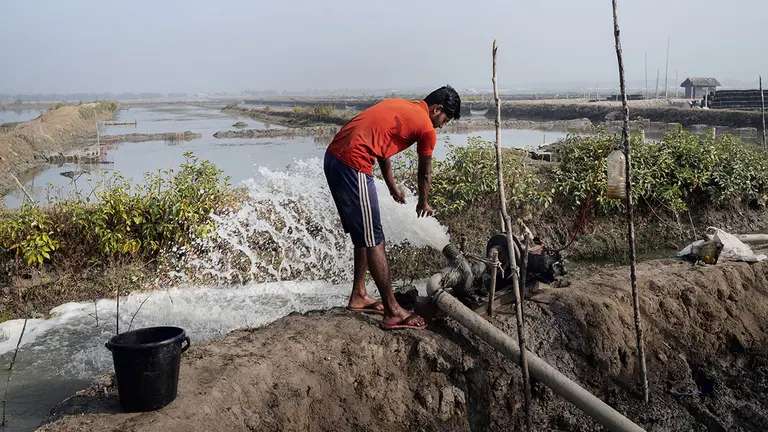
Pakistan’s record is genuinely historic. As chair of the Group of 77 and China in 2022, it placed loss and damage on the COP27 agenda for the first time in thirty years of developing-country demands, and helped drive the consensus that created a dedicated fund, a diplomatic campaign reinforced by floods that submerged more than ten percent of the country, affected 33 million people, and caused over $30 billion in losses in a nation responsible for less than one percent of global emissions.
Read More: Green Bonds Can Unlock Finance for Climate-Resilient Farming, FAO Says
Bangladesh, too, has played a prominent role in advancing the demands of climate-vulnerable countries for climate justice and greater international support.
Yet normative victories have not translated into control over national development choices. Pakistan’s total public debt stood near 81 percent of GDP in 2024, with debt servicing consuming over half the government budget, while the United Nations estimates a $348 billion climate financing gap by 2030.
Severe floods returned in 2025, and the country remains under an IMF Extended Fund Facility alongside the Resilience and Sustainability Facility, the very instrument designed to support climate resilience, yet operating within a program whose fiscal targets may leave limited room for it.
Bangladesh faces a related tension: its prominent climate diplomacy has not eliminated its dependence on external financing to pursue its adaptation and development priorities. Pakistan is not an outlier. It is the pattern rendered visible.
A Finance Architecture That Lends More Than It Gives
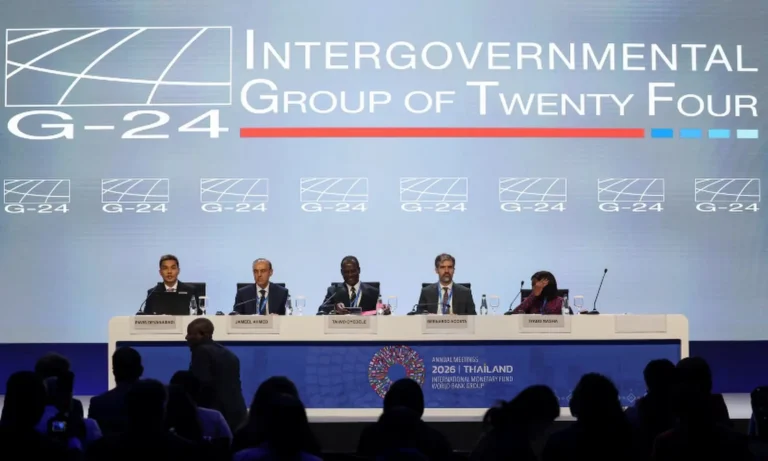
The architecture awaiting implementation in Antalya looks generous on paper. The New Collective Quantified Goal adopted at Baku promises at least $300 billion annually for developing countries by 2035, within a wider call for $1.3 trillion. But the goal is framed around mobilizing finance from multiple sources, rather than providing public grants, and that distinction remains the central fault line in the negotiations.
The composition of financial flows matters more than the headline figures. Between 2016 and 2020, 72 percent of public climate finance arrived as loans. The UNFCCC Standing Committee on Finance reported in October 2026 that 57 percent of bilateral public climate finance in 2023 and 2024 was provided as loans, while 91 percent of multilateral development bank finance also took the form of loans.
For countries already burdened by debt, this is not assistance in the conventional sense; it shifts the financial burden of a collective obligation onto national balance sheets. Developing-country external debt hit $12.3 trillion in 2025, and 3.3 billion people now live in countries spending more on debt payments than on health or education.
The Loss and Damage Fund, the great victory of 2022, tells the same story at smaller scale. Total pledges stood at roughly $822 million as of March 2026, against 176 funding requests from 119 countries totaling $2.8 billion in the fund’s first call alone, and its own leadership has warned it could exhaust its capital by the end of 2027.
When Nepal received the fund’s first disaster-linked allocation of $21.6 million in October 2026, the symbolism was enormous and the arithmetic was not.
The Power That Sets the Choices
This is where the analytical lens matters. What the scholar Susan Strange called structural power is the ability to shape the choices available to others without ever issuing a command. Climate finance can exercise this power constantly, and no one has to coerce anyone.
Countries accept fiscal consolidation to regain market access. They accept co-financing requirements, credit rating disciplines, and project designs shaped by what lenders find bankable rather than what adaptation requires.
Recent scholarship on the Green Climate Fund documents precisely this dynamic inside a fund nominally governed by consensus: developed-country board members use financial and institutional influence to define efficiency and climate rationale, imposing conditions that can disproportionately burden the most vulnerable.
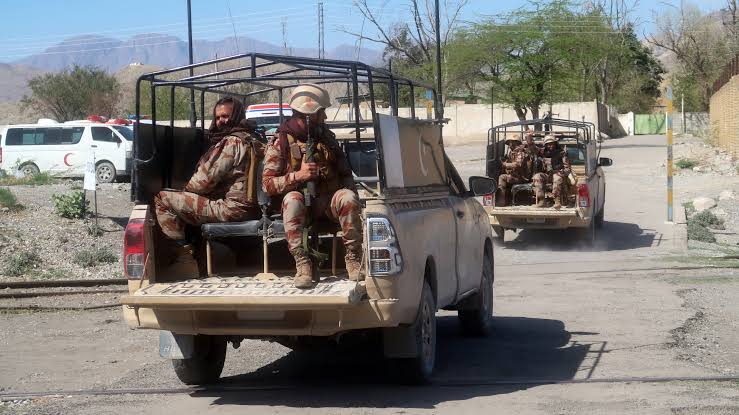
Consider Pakistan’s flagship development project, the Reko Diq copper-gold mine in Balochistan, one of the world’s largest undeveloped deposits and a genuine development opportunity.
Read More: The Sinking Statehouse: Climate Finance and the Geo-economics of Survival in Banjul
The structure is instructive: Canada’s Barrick holds 50 percent, the state 50 percent, and the $6.6 billion project is financed through a syndicate of multilateral and export credit agencies, much of it tied to imported equipment and off-take agreements for copper concentrate designed for global battery and data-center supply chains.
None of this is illegitimate. But it means the minerals feeding the green transition leave the country as concentrate, while much of the value addition takes place elsewhere.
UNCTAD’s warning that market forces alone will not deliver inclusive outcomes for mineral-rich developing countries is therefore particularly relevant. This is formal sovereignty without substantive policy autonomy, and the gap between the two is where development futures are decided.
The Case for Interdependence, Honestly Made
Fairness requires the counterargument, and it is strong. International finance is not inherently extractive. The IMF programme has helped Pakistan avoid default; the Resilience and Sustainability Facility channels genuinely new resources toward adaptation; private capital is indispensable because public grants alone cannot finance a $1.3 trillion transition; and some conditionality can strengthen fiscal discipline and address governance weaknesses that domestic political processes may fail to tackle.
Sovereignty is never absolute anywhere; Germany borrows, and so does the United States. The legitimate complaint is not that rules exist, but that vulnerable states have had limited influence in shaping the ones that bind them and cannot renegotiate them alone. The asymmetry, not the interdependence, is the problem.
Three outcomes in Antalya would begin to close the sovereignty gap. First, the Baku-to-Belém Roadmap should be translated into multi-year, publicly tracked climate finance commitments, with grant-equivalent accounting so loans are counted honestly, and a grant-based floor for adaptation and loss and damage so the most vulnerable are not financing their own rescue.
Read More: Climate Change as a Strategic Threat in South Asia
Second, debt and climate policy should be integrated rather than handled by separate institutions: climate-vulnerable countries need disaster debt pauses and genuine debt relief, not new instruments layered onto old burdens.
Third, the emerging Borrowers’ Platform, through which more than thirty developing countries are organizing for the first time as creditors have long organized, deserves support rather than discomfort from the major economies, because rebalancing borrower power is the structural reform that matters most.
The vulnerable states that shaped the moral vocabulary of climate politics, from the 1.5-degree goal to loss and damage, have proven that normative authority can move the world’s arguments. COP31 is the moment to prove it can move its money and its power, too.
Otherwise, the green transition will arrive on schedule, and the sovereignty of those who host its mines, absorb its floods, and finance its costs will not.
*The views presented in this article are the authors’ own and do not necessarily reflect the views of The Diplomatic Insight.*

Akash Ali
Akash Ali is an independent researcher specializing in climate diplomacy, global politics, and IR. He is currently associated with the University of Rajshahi, Bangladesh. He can be reached at [email protected]