Tehran (TDI): Iran has called on the United States to face consequences for what it describes as broken promises, while insisting that Tehran must combine military strength with negotiations to deter future attacks, as tensions over the Strait of Hormuz persist and Washington reportedly considers additional military options.
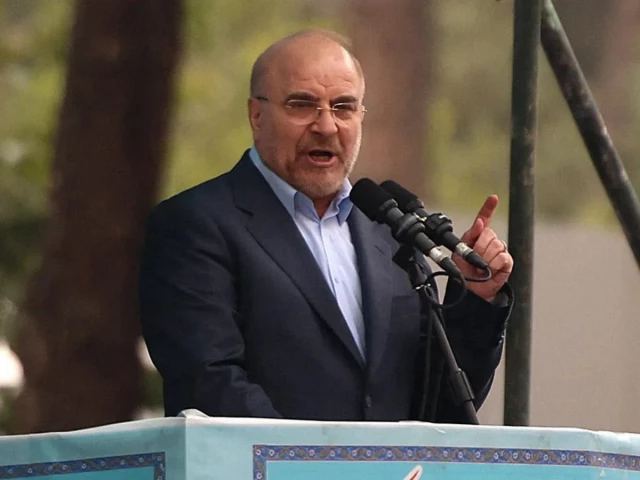
Iranian Parliament Speaker Mohammad Bagher Ghalibaf said on Thursday that the United States must change its conduct and accept what Tehran considers the Iranian nation’s legitimate demands.
“The US president made promises and then broke them,” Ghalibaf said in remarks carried by Iran’s state news agency, IRNA, referring to a proposal presented during diplomatic engagement with Washington.
He argued that the United States should be penalised for its actions to ensure it understands that Iran’s demands cannot be disregarded.
Ghalibaf’s comments reflect Tehran’s stated position that any diplomatic arrangement must be backed by measures capable of preventing renewed military action against Iran.
In separate remarks reported by IRNA, Ghalibaf said Iran could not rely exclusively on negotiations or military confrontation to protect its security.
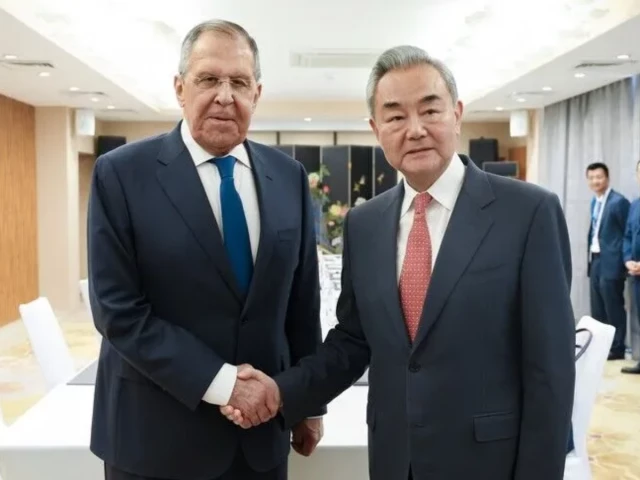
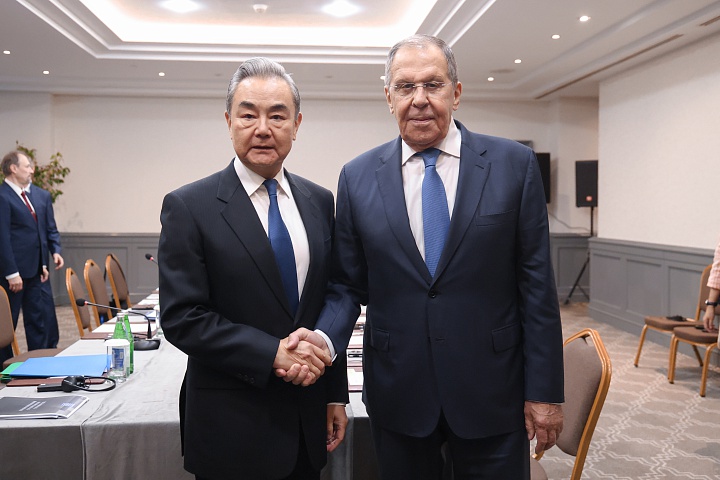
Read More: Lavrov, Wang Discuss Ukraine, Iran Wars During Talks in Baku
He questioned whether a signed agreement containing US commitments would be sufficient to prevent future attacks, arguing that diplomatic assurances alone could not guarantee Iran’s long-term security.
At the same time, he rejected the idea that Iran should depend solely on military escalation to exhaust its adversaries. “The solution is to fight and negotiate at the same time to establish lasting deterrence,” Ghalibaf said.
He argued that Iran needed to develop sufficient military capabilities to discourage the United States and other regional or international actors from pursuing military objectives against the country.
Read More: IMF Warns Gulf Economies May Take Years to Recover from Iran War
The parliamentary speaker also stressed that military gains needed to be translated into diplomatic and political outcomes. “Whenever we achieve a military victory on the battlefield, we must also turn that victory into a political victory,” he said, adding that such gains should be consolidated through formal agreements or other political arrangements.