Manila (TDI): The Association of Southeast Asian Nations (ASEAN) expects its digital economy to grow to $2 trillion by 2030, up from an estimated $300 billion in 2025, as member states prepare to sign a regional Digital Economy Framework Agreement at their summit in November.
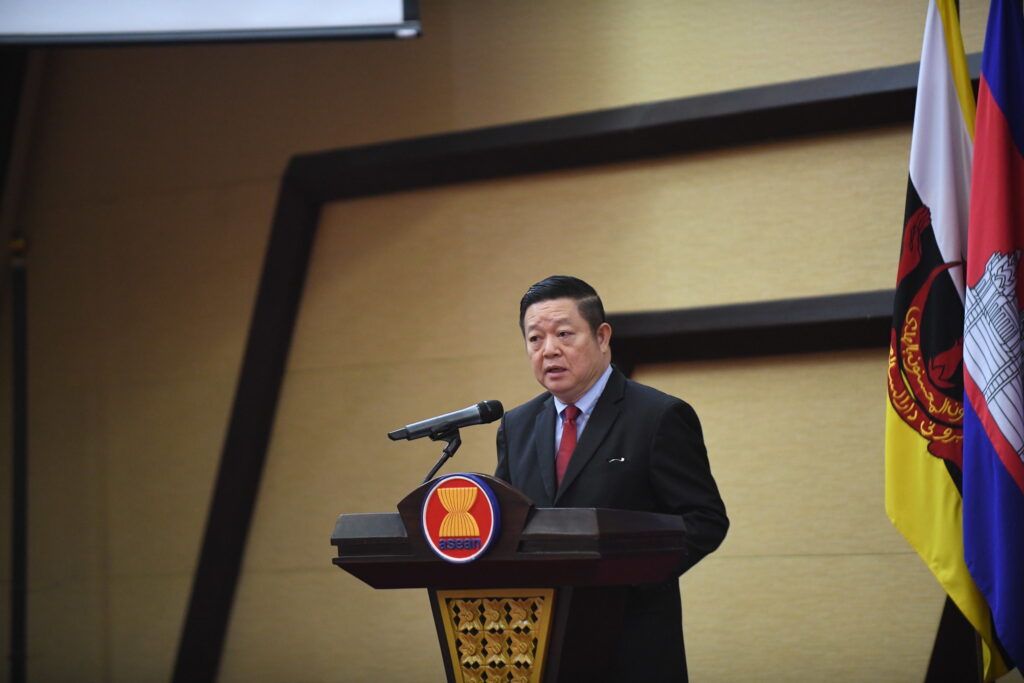
ASEAN Secretary-General Kao Kim Hourn outlined the target in an exclusive interview with TV BRICS, describing the proposed ASEAN Digital Economy Framework Agreement (DEFA) as a major step towards integrating the region’s digital markets under a common legal framework.
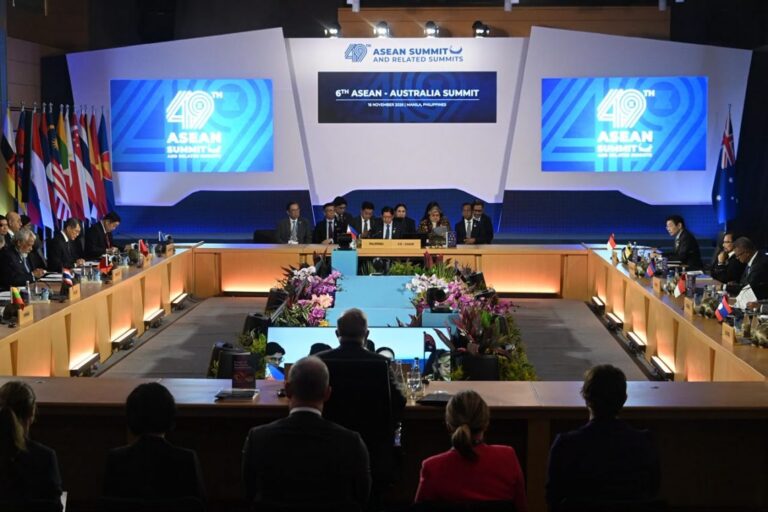
Negotiations on DEFA began in September 2023 and concluded in May 2026. Member states are currently conducting an internal legal review of the text ahead of its expected signing at the 49th ASEAN Summit.
According to Kao, work on an implementation plan will begin alongside the ratification process following the signing. The agreement is intended to strengthen regional cooperation in digital payments, cross-border data flows, cybersecurity, e-commerce and data centres. It will cover micro, small and medium-sized enterprises (MSMEs), which account for approximately 97% of businesses in the ASEAN economy, as well as activity in the informal sector.
“We’re not building 10 or 11 digital economies; it’s going to be one digital economy working together among the member states,” Kao said, highlighting the ambition to create a more integrated regional digital market.
Read More: ASEAN Foreign Ministers to Discuss Transboundary Haze at November Meetings
The proposed agreement seeks to reduce fragmentation between national digital systems and establish common rules to facilitate cross-border economic activity.
For businesses operating across Southeast Asia, closer alignment in digital regulations could help simplify transactions, support online trade and expand access to customers in neighbouring markets.
MSMEs are a central focus because of their extensive role in the region’s economy. Greater access to digital payments and e-commerce platforms could help smaller businesses reach customers beyond their domestic markets, although the scale of those benefits will depend on implementation and the capacity of businesses to adopt new technologies.
Cybersecurity and cross-border data flows are also expected to feature in the framework, reflecting the need to balance digital trade with the protection of information and the security of digital infrastructure.
Kao described DEFA as the first legally binding agreement of its kind at a regional scale. The agreement’s expected impact will depend on the final text, national ratification procedures and how consistently participating countries implement its provisions.
Read More: ASEAN, China Explore E-Courts and AI to Strengthen Judicial Cooperation
The $2 trillion target represents a substantial expansion from the estimated size of ASEAN’s digital economy in 2025. Achieving it would require sustained growth in digital services, online commerce, technology infrastructure and business adoption across the region.
Digital integration is expected to be accompanied by progress on other regional cooperation initiatives at the November summit, including the ASEAN Power Grid.
The initiative aims to strengthen electricity connectivity among Southeast Asian countries, supporting cross-border energy cooperation and the development of a more interconnected regional power system.
Greater electricity interconnection could help participating countries improve energy coordination and make better use of available generation capacity. Progress, however, depends on infrastructure investment, regulatory arrangements and agreements between participating governments.
The summit is also expected to see further expansion of the Treaty of Amity and Cooperation in Southeast Asia (TAC), which Kao said currently has 62 signatories, including Russia.
He expressed expectations that additional countries would join the treaty during the 49th ASEAN Summit, describing its expanding membership as evidence of its reach beyond Southeast Asia.
The treaty provides a framework for relations among its signatories, including principles of mutual respect, peaceful dispute settlement and non-interference.
Its expansion would provide another avenue for ASEAN to engage countries outside the region through an established diplomatic framework.