There are certain regions across the globe, among hundreds of countries, that not only possess a unique charm but also permeate your soul. You can feel a centuries-old bond on the first visit, and each time you return, the songs of the wind renew that enthusiasm.
In these places, as the time of departure approaches, in the words of Robert Frost, ‘I shan’t be gone long.—You come too.’
Russia is one such land for me. Although my previous three journeys have taken me across eight Russian regions, it remains an enduring source of affection and fascination. Like a loving mother opening her arms in a warm embrace, it beckons me to return.
After the main program of the World Youth Festival 2026 in Yekaterinburg, my itinerary’s last stop was Kazan, the capital of the Republic of Tatarstan. This journey brought me closer to another facet of Russian life.
A warm welcome to the land of the Tatars
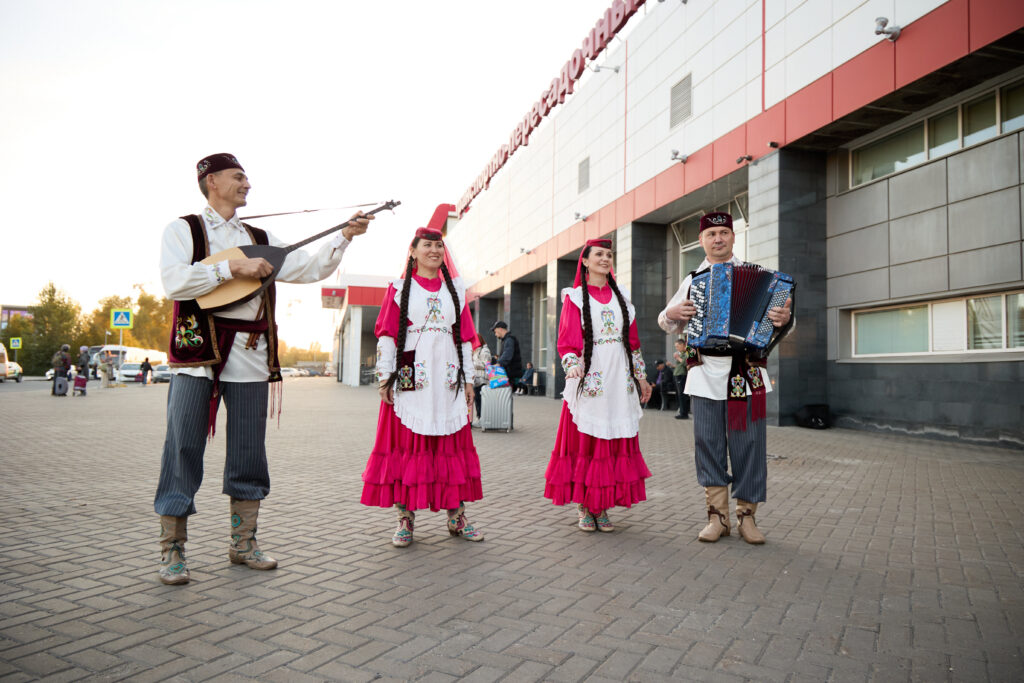
As part of the regional program, we arrived at the Kazan railway station on the evening of 17th September 2026. We were welcomed by Tatar artists donning traditional costumes. There was song and dance and we were invited to join in.
We were officially welcomed by Ms. Dilbar Sadykova, Chairwoman of the Academy of Youth Diplomacy, which set a warm tone for our stay.
The people I met were once my colleagues and delegates, but during the informal conversation session that evening, I realized it does not matter where one comes from; our young people share remarkably similar hopes and aspirations. The friendships that were formed that evening made our eventual departure difficult.
A city where civilizations meet
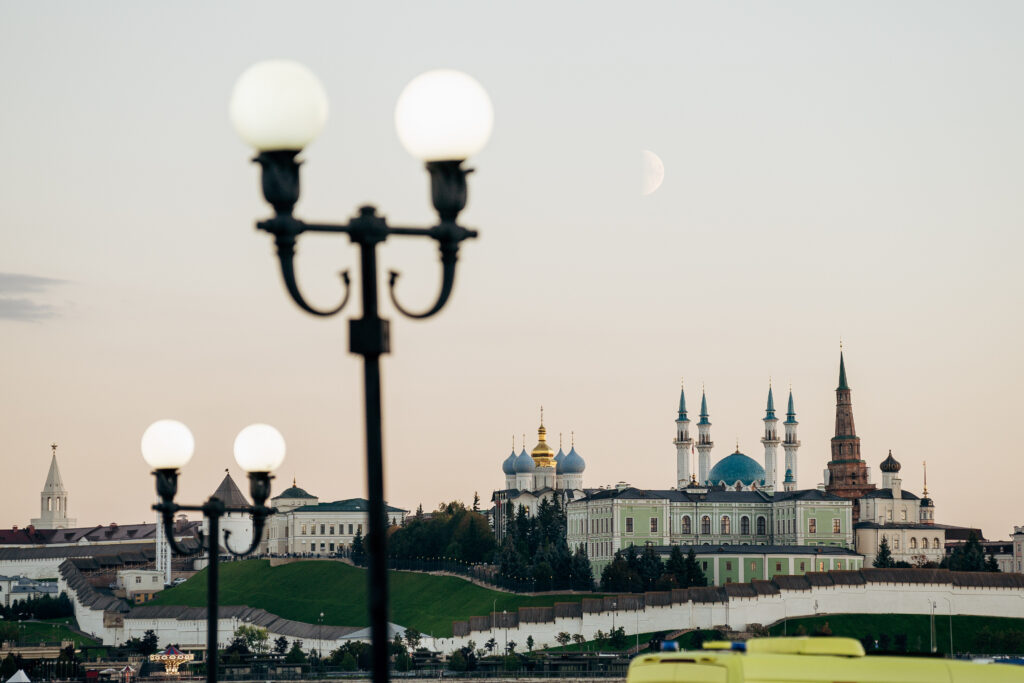
Try as I may, I cannot encapsulate the grandeur of Kazan in a single sentence. It is a center of Tatar heritage, an important educational hub, a meeting place of religious traditions and a city with a growing global profile.
It hosted the 16th BRICS Summit in 2024, which brought together leaders including Russian President Vladimir Putin, Chinese President Xi Jinping and other world leaders. Kazan seemed to demonstrate that modernity does not require a city to abandon its traditions.
Kazan Kremlin: A journey through history
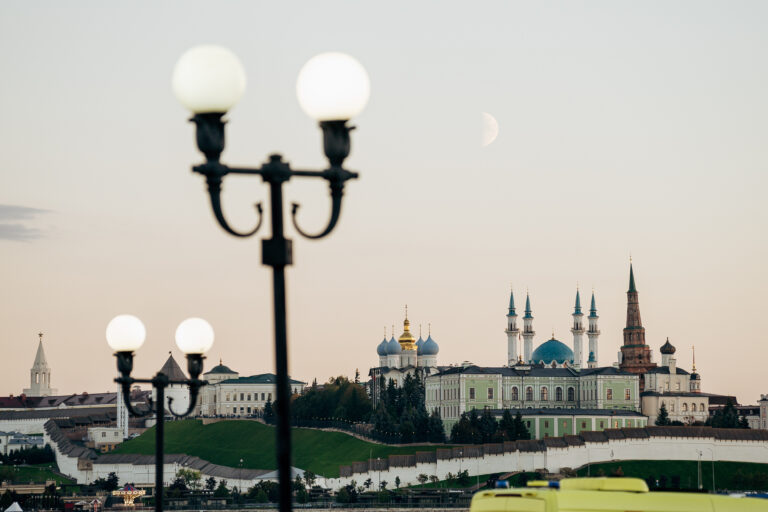
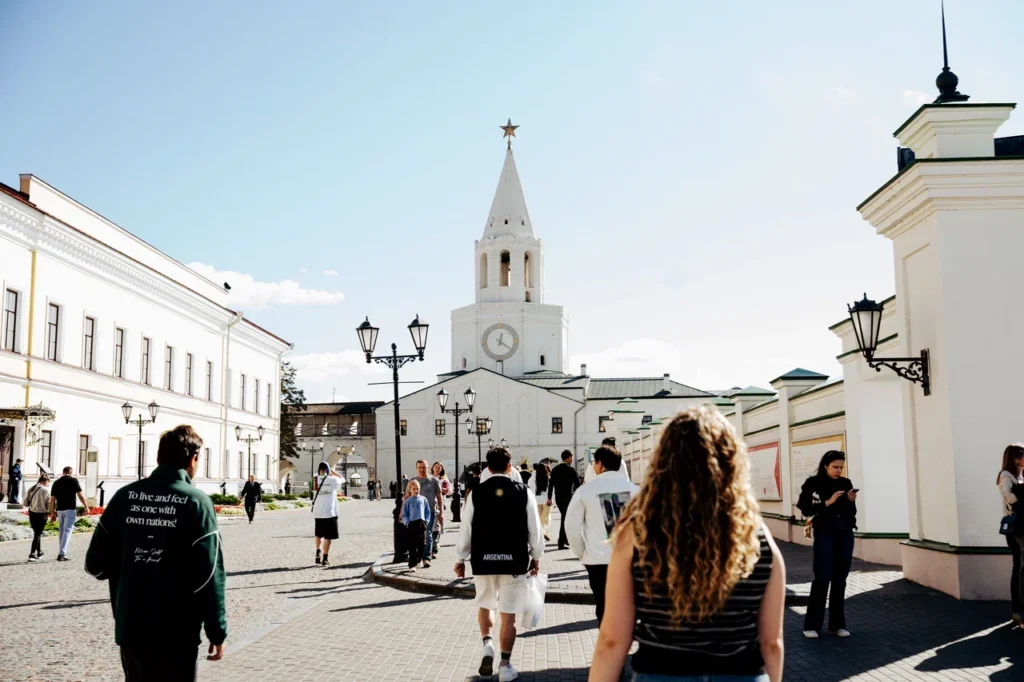
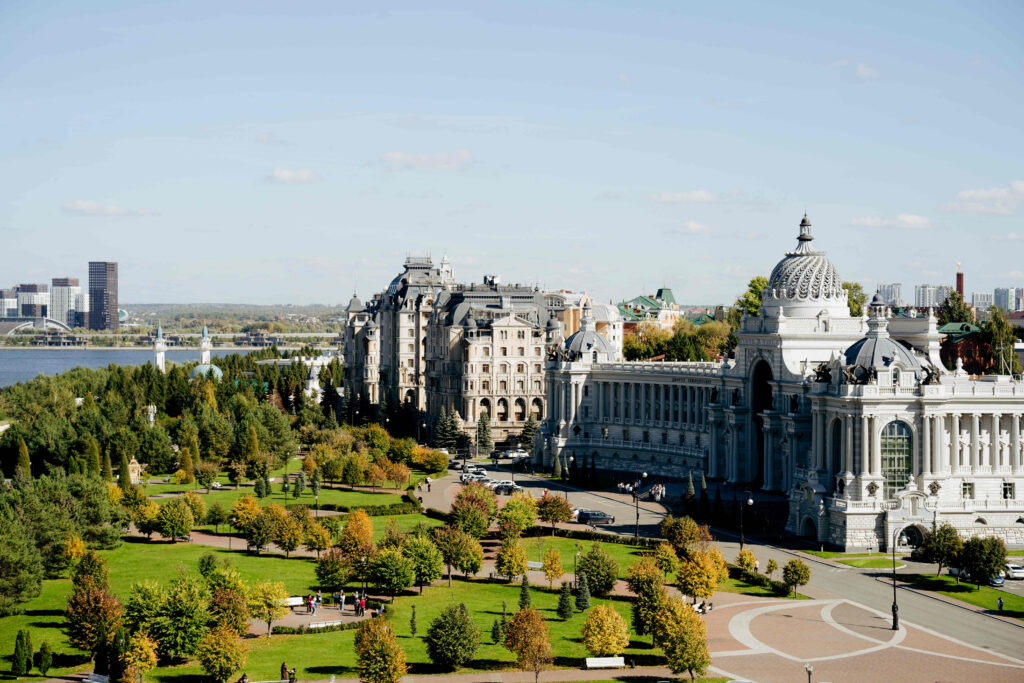
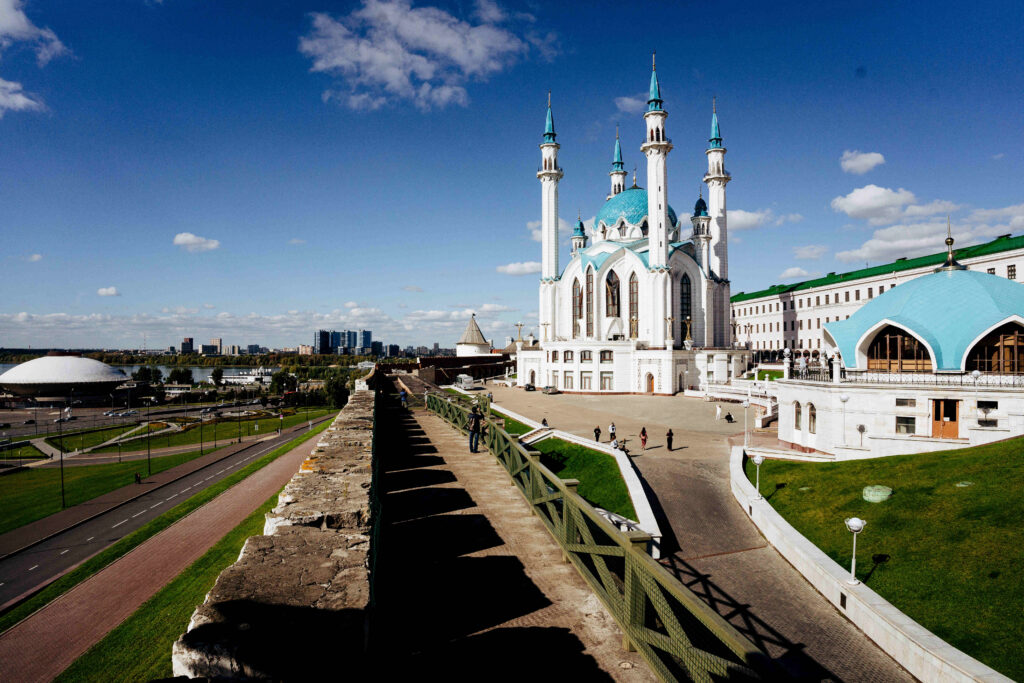
While walking through the World Heritage site of Kazan Kremlin during our city tour, Tatarstan: Dialogue of Traditions, I felt as if I was walking through history. For the first time, I understood that history did not have to be confined to books and museums; you could touch it, feel it, smell it.
The importance of Islam in Tatar identity is evident in the elegant structure and distinctive minarets of the magnificent Kul Sharif Mosque. Within the same complex stands the oldest structure, the Annunciation Cathedral, a 16th-century Russian church and an important monument of Orthodox Christianity.
Together, they create an architectural landscape that showcases the distinct religious traditions that share a singular history. The differences between the two are not erased; instead, they provide insight into the distinct identities that share the same ground.
Our interactive quest, Secrets of Kazan Dragons, added a lighter dimension. Exploring the Kremlin through stories, legends, and historical clues was far more engaging than conventional sightseeing, and it left me seeing Kazan as a place shaped by encounters between cultures and faiths.
Flavors of Tatarstan: Echpochmak, Chak-Chak and hospitality
A region’s history can be understood by looking at the architecture, but to understand the people, the cuisine can offer a more personal insight.
The echpochmak, named for its triangular shape, is filled with meat, potatoes, and onions. Another is Chak Chak, honey-coated pieces of fried dough.
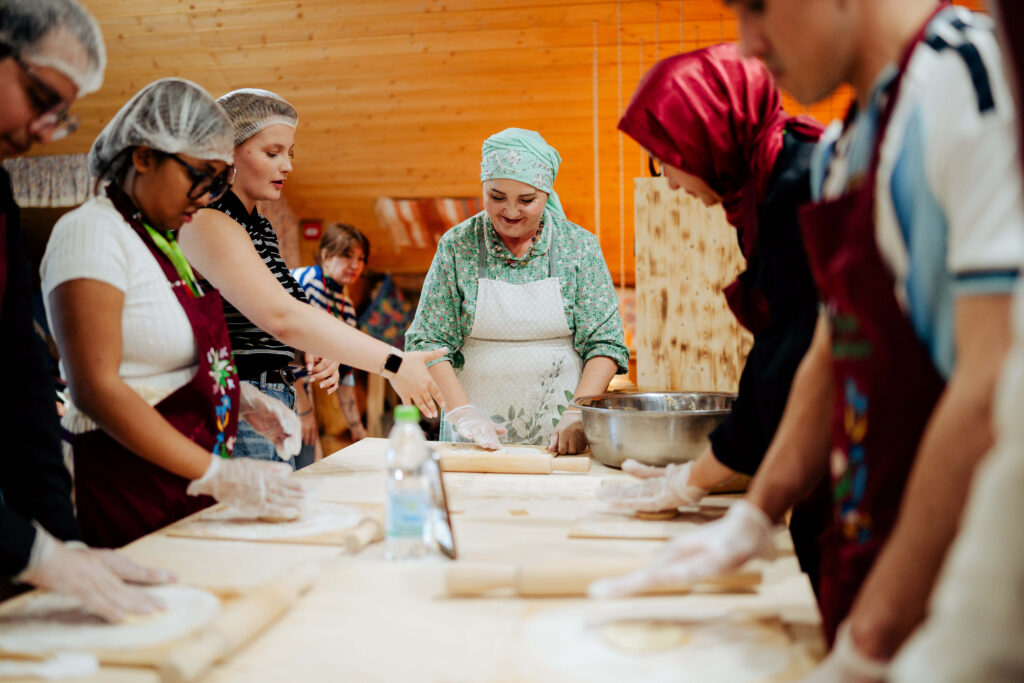
The culinary workshops were especially enjoyable because we could participate rather than simply observe, and delegates compared their own culinary traditions along the way. They gave us some of the happiest moments of our visit.
Meeting the Rais of Tatarstan
I’ve always believed that youth diplomacy should not be confined to conference halls and speeches. Practical cooperation can only be understood and turned into relationships when young people are given the chance to engage.
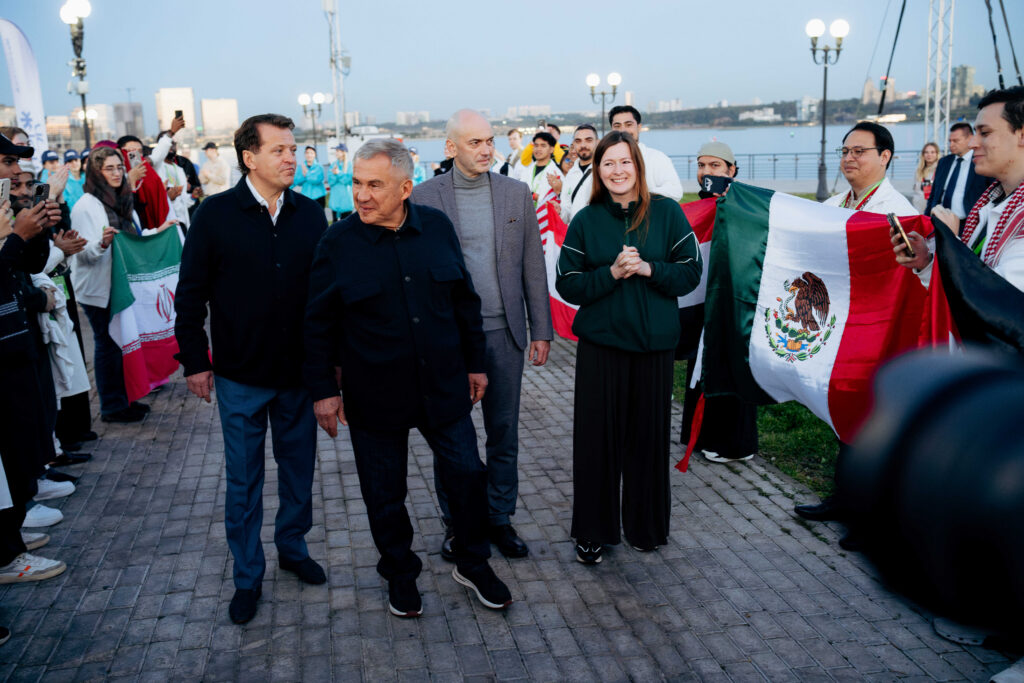
Different societies can also build relationships among themselves. The Time of Opportunities exhibition was one such opportunity, where the delegation not only heard an address by Rustam Minnikhanov, Rais (Head) of the Republic of Tatarstan, but was also brought onstage.
This culminated in a combination of educational opportunities and engagement with public institutions for young people.
Russian history: Understanding a country through its past
We also visited the Russia, My History exhibition at the Historic Park, which made us consider how history, national identity, and collective memory are presented to contemporary audiences.
Through all of this, we realized that although Tatarstan had its own heritage and traditions, it was still an integral part of the Russian Federation.
I have also been fortunate enough to travel to many parts of Russia, and through my travels I have realized that Russia is not just Moscow or its traditions and history.
Russia is all the buildings in the regions and the histories of those small townships that have come together to form one big story.
URAM Extreme Park: The energy of a younger generation
When we talk about Modernism, we often think of cities, but you can’t judge economic growth, infrastructure, or quality of life by them. It all depends on where residents meet, play, and exercise.
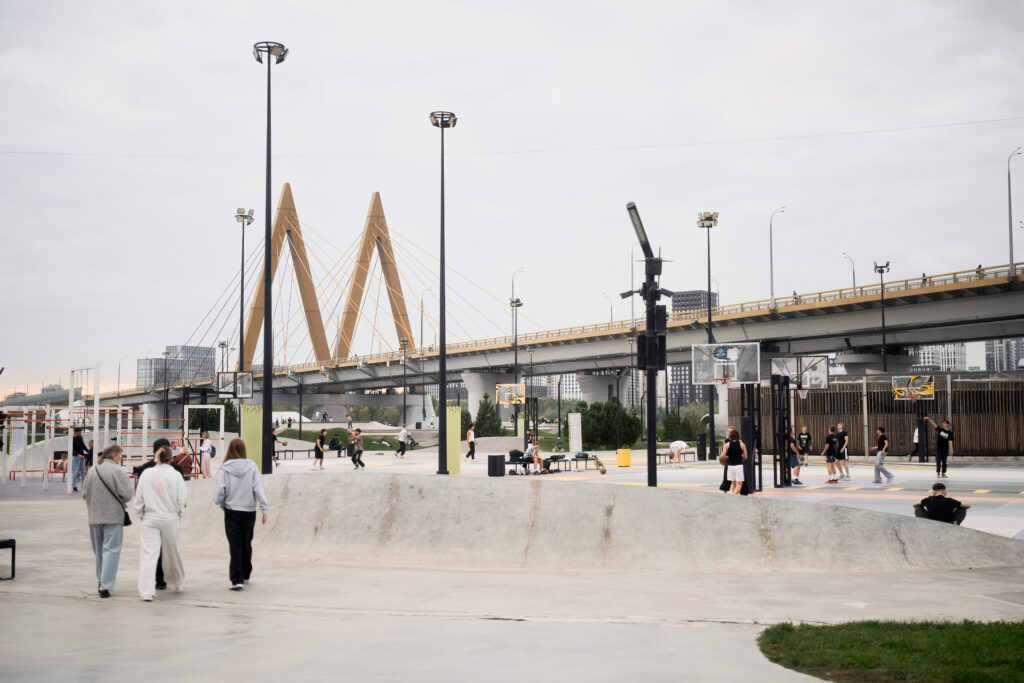
The URAM Extreme Park, an urban sports complex for skateboarding, BMX, and other extreme sports, was one such place that fostered physical activity, creativity, and youthful energy.
URAM showed me, a young Pakistani from Gilgit for whom investment in young people meant only education, that it can take many forms. Sports were as important as tech information.
National Library: Where knowledge meets public life
I have always said that it was not the universities, but the libraries of my hometown, Gilgit, that expanded my world without my having to travel physically. The National Library of the Republic of Tatarstan offered a quieter perspective of my exploration of modern Kazan.
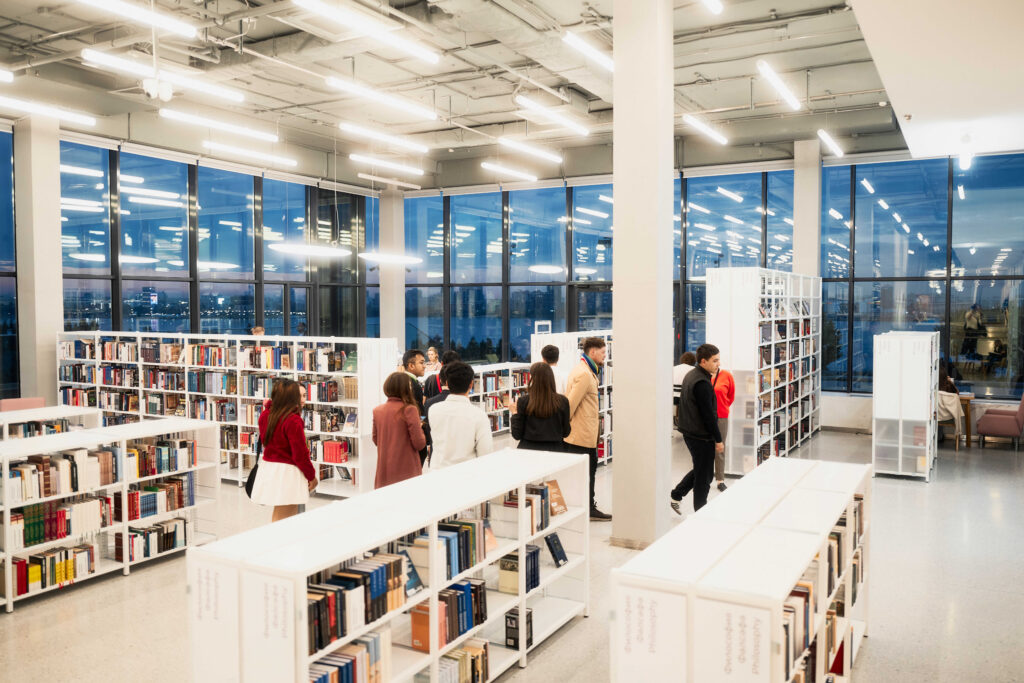
The National Library of Tatarstan was not just a place to borrow books but also a meeting point for students and writers and a place to preserve the region’s intellectual heritage. To me, the library suggested that progress is measured not only by economic output but also by the opportunity to think, to learn, and to take part in cultural life.
An evening of friendship
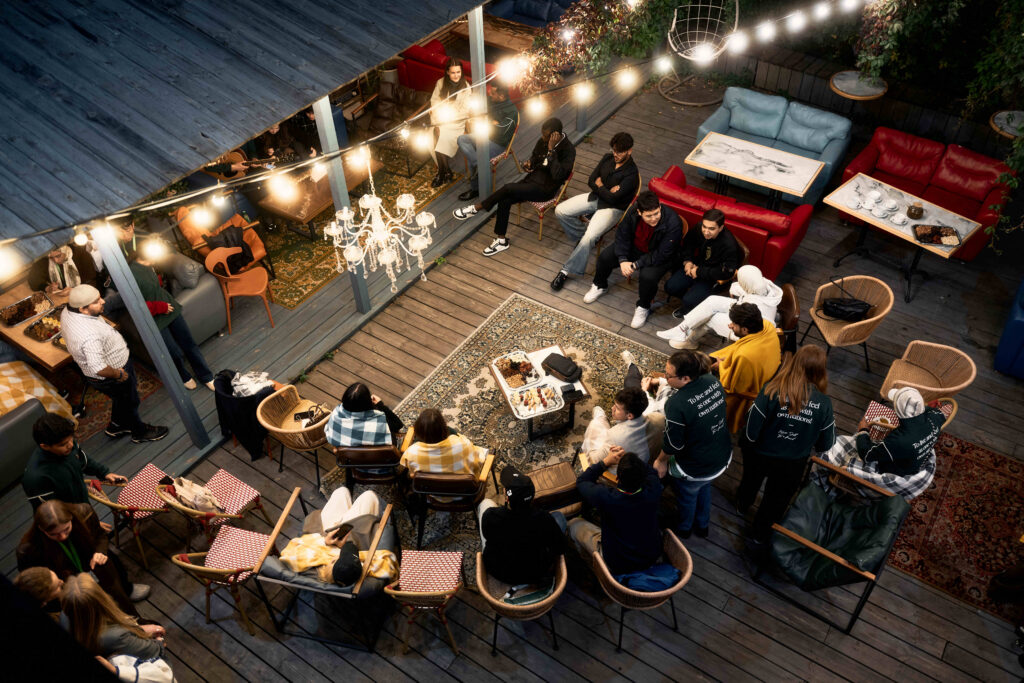
An evening of friendship is what I will remember. The evening of music with the members of the International Friendship Club of the Tatarstan. It was an informal evening, welcomed by everyone after days of official engagements. Music has the power to bring people together, even when they do not share the same language.
It is over dinners, musical gatherings, and quiet evening walks that friendships once confined to official meetings can develop and flourish.
That evening, I also met my friend Snezhana Ermoshkina and explored the streets of Kazan on foot. I had first met her in 2024 during my trip to Orenburg and then again last year in Nizhny Novgorod. That evening’s walk became another beautiful memory in our friendship.
Ak Bars Arena: The legacy of the 2018 FIFA World Cup
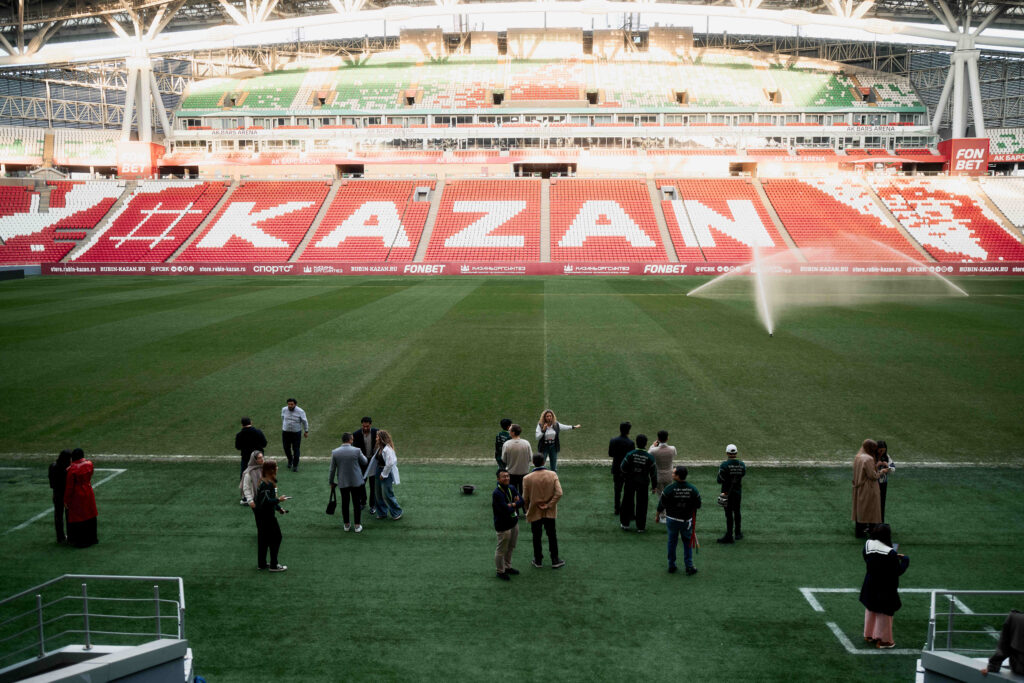
I’ve talked about sports before, and as an avid football fan, I cannot continue without talking about Kazan’s famous football stadium, now AK Bars Arena and formerly Kazan Arena.
It hosted matches during the 2018 FIFA World Cup, including the Round of 16 tie between France and Argentina on 30th June and the quarter-final between Brazil and Belgium on 6th July.
As I stood there, I could almost hear the celebrations after a goal, the roar of the crowd. It was sports and football that introduced Kazan to millions of people around the world who probably did not even know there was a city called Kazan.
Horse riding in Kazan: A living connection with the steppes
One of the most memorable experiences of my visit was riding a horse and then falling off at the Kazan Hippodrome. Horse riding is a tradition long associated with the people of the Eurasian steppes. Horses were essential companions in everyday life for communities with a history of traveling, trading, and living across grasslands.
The Tatar horse is part of this heritage, and efforts to preserve the breed reflect a continued attachment to local traditions. Riding up close made me realize how much confidence, patience, and mutual understanding good riding requires. Experiencing this tradition in Tatarstan, rather than reading about it in a book, was deeply satisfying.
Kazan Federal University: Sitting where Leo Tolstoy once studied
On our final day in Kazan, we visited the Kazan Federal University, established in 1804 and one of Russia’s historic institutions of higher education. As I have said before, literature has been an integral part of my life, and the university’s connection with Leo Tolstoy made the visit personally significant for me.
Tolstoy was one of literature’s greatest minds, and standing where he once stood made me marvel at the opportunity a boy from Gilgit could be provided with because of hard work.
Tolstoy left the university without a degree, but that did not stop him from writing two of the world’s most-read and most significant books, War and Peace and Anna Karenina. Tolstoy is a reminder that intellectual development does not always follow a predictable path.
Bauman Street and the Center of unique craftsmanship
We walked along Bauman Street, one of the city’s well-known pedestrian thoroughfares, where people shopped, met friends, and enjoyed public spaces. Walking a city’s streets often reveals what formal sightseeing cannot.
During this walk, we visited the center of Unique Craftsman. We stopped at TSUM and learned about traditional artistic skills and handicrafts. It cannot be denied that a community’s history and practical knowledge, passed down through generations, are carried and embodied in these crafts.
A visit to Tatar-inform (Tatarstan’s Media outlet)
Our visit to Татар-информ (Tatar-inform), a Tatarstan news agency, offered a closer look at the region’s media landscape. Editor-in-Chief Mr. Inat Bilalov welcomed us and described its operations, journalism, and initiatives.
For three decades, the agency has covered major events in Tatarstan, Russia, and around the world, documenting the region’s evolving social, cultural, and political landscape.
A Farewell Dinner
Our final evening ended with a memorable farewell gala dinner hosted by Mr. Kadyrov Azat Rifgatovich, Minister of Youth Affairs of the Republic of Tatarstan, and Ms. Dilbar Sadykova, reflecting the warm hospitality extended to us throughout our stay. We enjoyed traditional performances and songs.
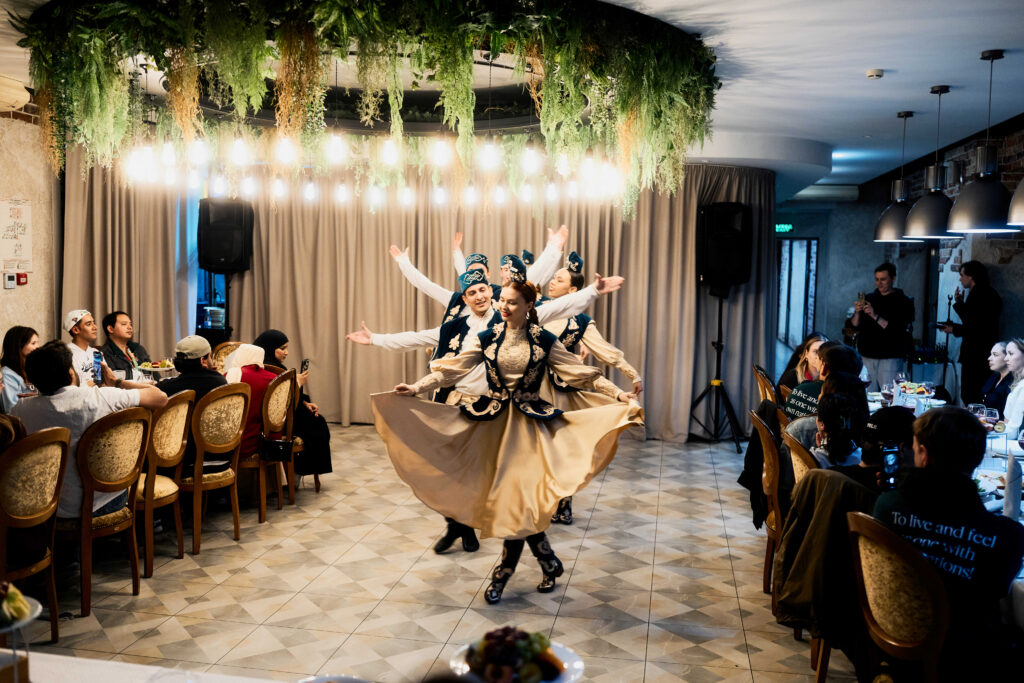
Delegates joined the performers on stage and sang the popular Russian song Matushka, Motherland, a melody that has captured hearts not only in Russia but far beyond. As they sang and danced together, I could almost see nationalities fade into the background, leaving only the joy of freedom and the sadness of an approaching goodbye.
Last Journey: From Kazan with Affection
On 22 September 2026, at the Kazan railway station, as I looked around, I saw a mix of emotions; there was excitement about going home and seeing loved ones, but there was also palpable sadness. We embraced, held hands, and struggled to say goodbye as we prepared to board the train to Moscow. I watched these farewells with a heavy heart.
My heart, too, was wrapped in melancholy. Sitting on the train, watching the fields fly by outside my window, I thought of all that Kazan had given us: the traditions of the Tatars, the beauty of its Kremlin, its cuisine, a region investing in technology and its young people. But most of all, I was taking with me the memory of friendships we had formed.
We plan our journeys around cities and monuments, but the experiences that endure are often the ones we could never have scheduled: a conversation, a shared meal, a moment of laughter, or a tearful farewell. As the train carried us away, I felt the familiar sadness of leaving a place that had once again found its way into my heart.
When we traveled from Yekaterinburg to Kazan, none of us could have imagined that within a few days youth leaders from different continents would form such strong bonds. We had arrived as strangers; by the time we left, our differences had become less important than the friendships we had formed.
In a world troubled by wars and geopolitical rivalries, the common man suffers immensely. The possibility of coming together as people, of a free world, seems almost impossible. But during my trip, I saw that it was possible. People were open to opening their hearts to people from other countries and sharing their humanity with each other despite their differences.
These differences could be set aside, uniting people through shared experiences. Everyone fears, feels joy and sorrow, and has hopes and fears.
So why must nations resort to war? Why must a mother lose her son, a woman her beloved, or a child grow up without a father because of conflicts decided in the corridors of power? As I watched the young people at the station, I was plagued by these questions. But as I looked on, I could see that in a world where wars and conflicts divided nations, people could still form meaningful connections.
At that moment, a verse in Urdu came to mind:
“یہی چراغ جلیں گے تو روشنی ہوگی”
“It is only when these lamps are lit that the world will be illuminated.”
Perhaps this is the real promise of international youth diplomacy: replacing suspicion with understanding, hostility with dialogue, and division with friendship. Young people may not be able to end wars on their own, but each friendship formed across a border reminds us that humanity is greater than the differences that divide us.