Munich (TDI): European leaders signalled a decisive shift in their security outlook at the Munich Security Conference, as doubts deepened over Washington’s long-term commitment to the continent following US President Donald Trump’s renewed push to annex Greenland.
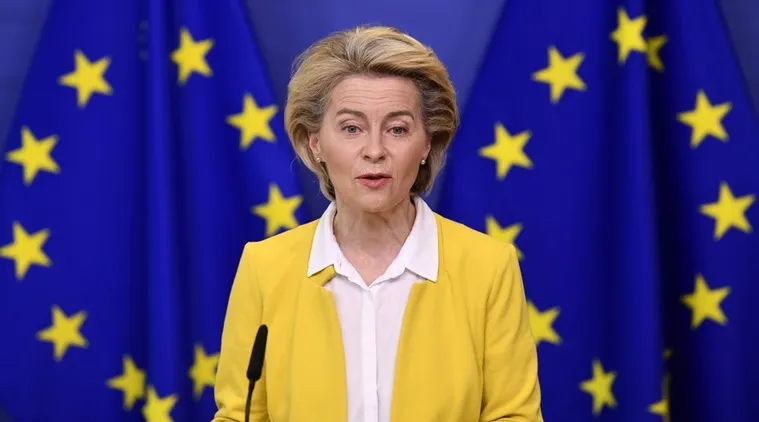
European Commission President Ursula von der Leyen captured the prevailing mood, telling delegates that “some lines have been crossed that cannot be uncrossed anymore,” reflecting a sense that transatlantic relations have entered a new and uncertain phase.
Strains in the alliance had already surfaced after Donald Trump returned to the White House. However, his proposal concerning Greenland intensified concerns in European capitals about the reliability of US security guarantees under NATO.
In his address to the conference, US Secretary of State Marco Rubio attempted to reassure allies, expressing a desire for continued cooperation. His tone was notably more measured than that of Vice President JD Vance in previous appearances. Still, Rubio avoided direct references to NATO, Russia, or Moscow’s war in Ukraine, issues that have exposed widening differences between Washington and its European partners, according to Reuters.
With the conflict in Ukraine approaching its fifth year and Russia viewed by many European governments as a mounting threat, leaders from across the continent pledged to accelerate efforts to strengthen their own defense capabilities and reduce reliance on the United States.
In principle, this aligns with the Trump administration’s expectations. Washington has indicated it wants Europe to assume primary responsibility for its conventional defense, while the US would maintain its nuclear umbrella and uphold NATO’s mutual defense commitments.
Read More: Trump Claims ‘Total Access’ to Greenland as NATO Urges Arctic Security Boost
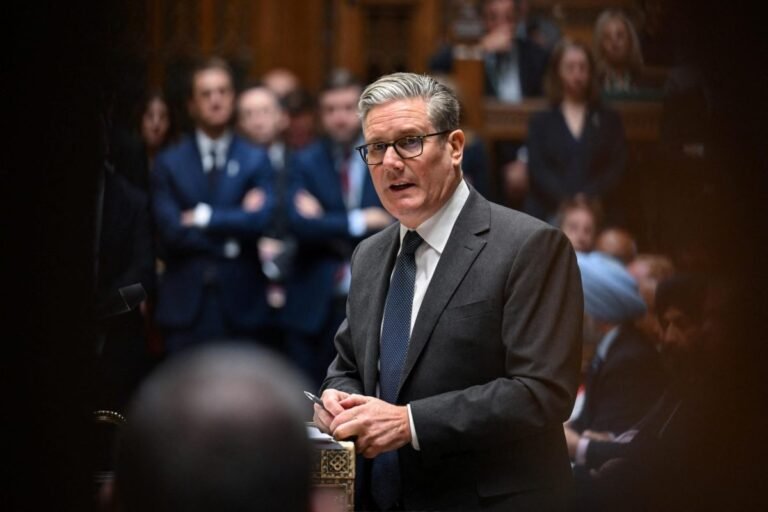
German Chancellor Friedrich Merz, French President Emmanuel Macron, and British Prime Minister Keir Starmer reaffirmed their commitment in Munich to building a stronger European pillar within NATO. At the same time, leaders acknowledged that enhancing Europe’s independent defense capacity would serve as insurance against any future shift in US policy.
Merz revealed he had opened discussions with Macron about the possibility of a broader European nuclear deterrent. Currently, France maintains the only fully independent nuclear capability within the European Union, as Britain’s Trident system is produced and maintained in cooperation with the United States.
“This new beginning is right under all circumstances,” Merz said. “It is right if the United States continues to distance itself. It is right as long as we cannot guarantee our own security on our own.”
Read More: US, Denmark to Renegotiate 1951 Greenland Defense Pact at Davos
European defense budgets have grown substantially in recent years, driven both by fears of Russia and pressure from Washington. NATO members agreed last year to increase core defense spending from 2% of GDP to 3.5%, with an additional 1.5% allocated to broader security-related investments. Von der Leyen noted that European defense spending has risen nearly 80% since before the Ukraine war began.