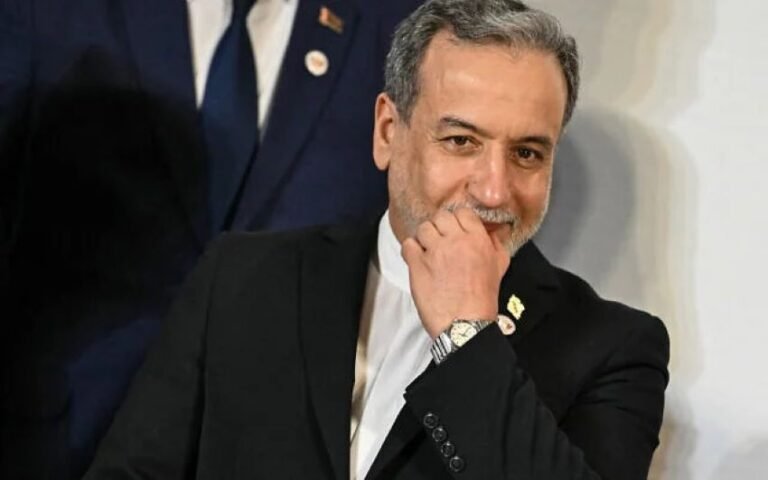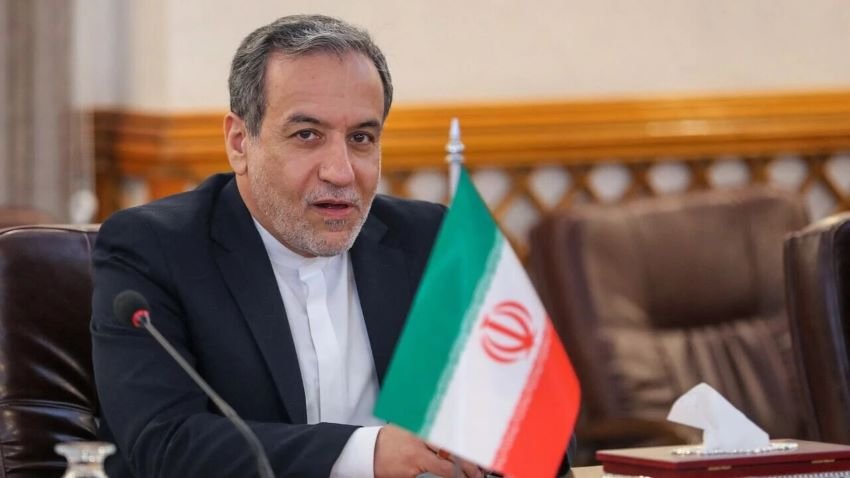
Geneva (TDI): Iran’s Foreign Minister Abbas Araqhchi said he will meet the head of the UN nuclear watchdog on Monday, a day before a second round of nuclear negotiations between Iran and the United States in Geneva.
Araqhchi confirmed he would hold talks with Rafael Grossi, director general of the International Atomic Energy Agency (IAEA), accompanied by Iranian nuclear experts for what he described as “deep technical discussions.”
“I am in Geneva with real ideas to achieve a fair and equitable deal. What is not on the table: submission before threats,” Araqhchi wrote on X.
The renewed diplomacy follows months of heightened tensions. Tehran and Washington resumed negotiations earlier this month to address their long-running dispute over Iran’s nuclear program and prevent a broader military confrontation. The United States has deployed additional naval assets to the region, including a second aircraft carrier, as talks proceed.
Washington has signalled interest in broadening the scope of discussions to include Iran’s missile program. Tehran, however, maintains it is only prepared to negotiate limits on its nuclear activities in exchange for sanctions relief and has rejected demands for zero uranium enrichment.
Read More: Iran Allows IAEA Inspections After Over Two Months
Previous talks stalled before the United States joined Israel in striking Iranian nuclear facilities in June, after Washington insisted that Tehran abandon enrichment on its soil, a step US officials argue would eliminate any pathway to a nuclear weapon. Iran insists its nuclear program is strictly civilian and says it is prepared to provide assurances that enrichment will remain peaceful.
The IAEA has been pressing Iran for clarification regarding approximately 440 kilograms of highly enriched uranium following the Israeli-US strikes and has sought the resumption of full inspections, particularly at key sites such as Natanz, Fordow and Isfahan, which were targeted in June.
While Iran has permitted inspections at certain declared facilities that were not damaged, it argues that the bombed sites are currently unsafe and has called on the IAEA to clarify its position regarding the strikes. An agreement announced in September in Cairo aimed at restoring full verification measures was later scrapped by Tehran after Western powers reinstated UN sanctions.
Read More: IAEA’s Official to Visit Iran to Melt the Ice
Meanwhile, Israeli Prime Minister Benjamin Netanyahu has reiterated his opposition to any deal that does not fully dismantle Iran’s nuclear infrastructure. Speaking after discussions with US President Donald Trump, Netanyahu said any agreement must eliminate Iran’s enrichment capability entirely and require enriched material to leave the country.
US officials have indicated that contingency planning remains underway in case negotiations fail, raising the stakes as diplomatic efforts resume in Geneva.