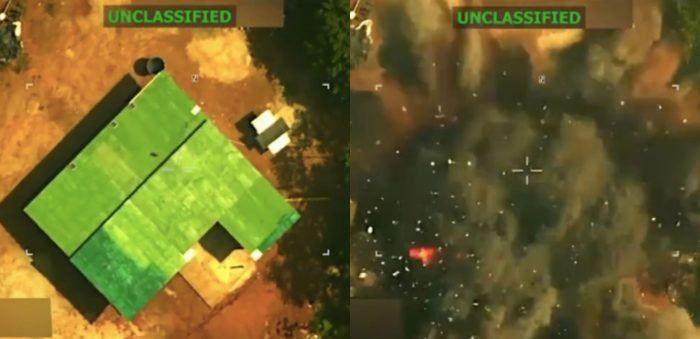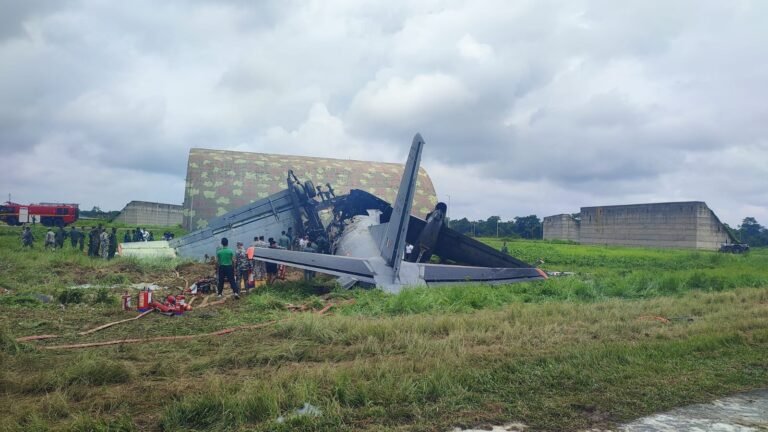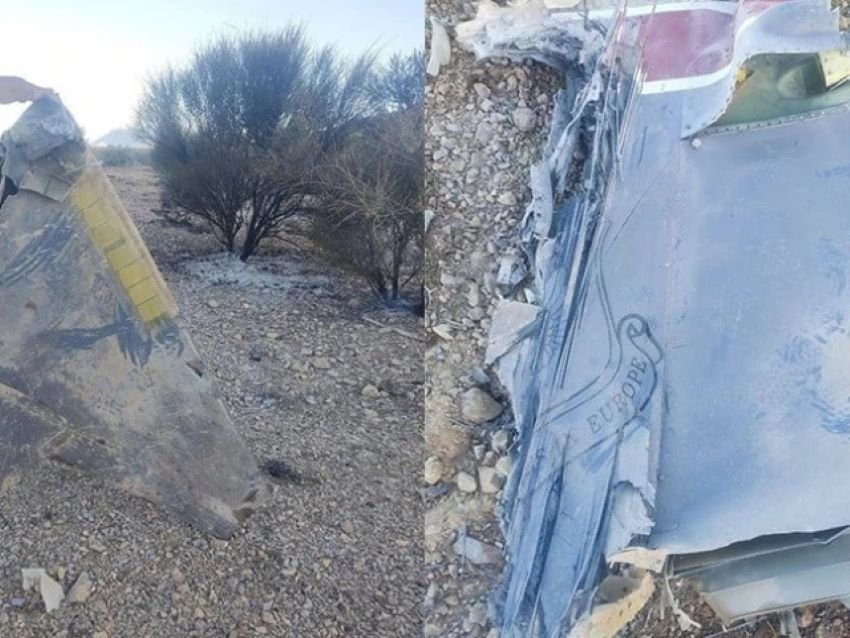
Tehran (TDI): Iran’s Islamic Revolutionary Guards Corps (IRGC) has claimed that it has shot down a second US F-35 fighter jet amid the ongoing escalation of war, according to Iranian media reports.
The semi-official Tasnim News Agency reported that the aircraft was brought down in central Iran, citing a statement attributed to the IRGC. It added that the fate of the pilot remains unclear. This marks the second such claim by Iran, following a similar announcement last month that was rejected by the United States.
Tehran has also recently claimed to have downed an Israeli F-16 jet, although these assertions have not been independently verified and have not received confirmation from US or Israeli authorities.
In a related update, US military officials previously acknowledged that an F-35 aircraft had made an emergency landing after a combat mission over Iran, stating that the pilot was safe and in stable condition.
Meanwhile, the broader conflict continues to intensify. Reports indicate strikes and drone attacks across the region, including damage to energy infrastructure such as Kuwait’s Mina al-Ahmadi refinery, where fires broke out but no injuries were reported. Saudi Arabia also stated that its air defenses intercepted multiple drones approaching its territory.
Read More: Oil Prices Jump Sharply as Us Signals Continued Strikes on Iran
Additional incidents include a reported drone strike on a Red Crescent warehouse in Iran’s Bushehr province, which destroyed equipment but caused no casualties.
At the same time, tensions remain high over maritime security in the Strait of Hormuz, a critical global shipping route. Iran has effectively disrupted traffic through the strait in response to ongoing hostilities, raising concerns over global oil supplies and energy security.
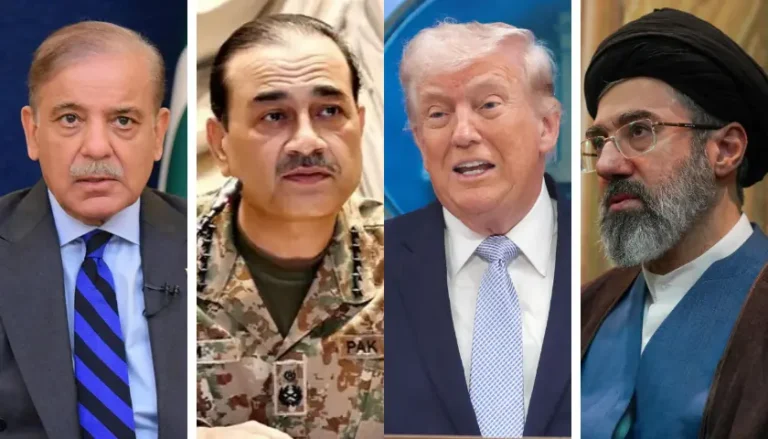
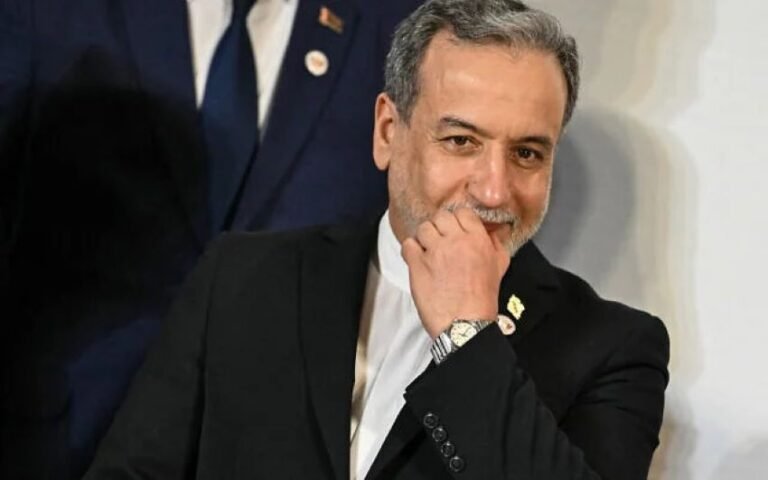
US President Donald Trump has continued to issue strong warnings, suggesting further strikes on Iranian infrastructure, including power facilities and bridges. Iranian officials, including Foreign Minister Abbas Araqchi, have rejected such actions, stating that targeting civilian infrastructure will not force Iran to surrender.
International reactions have grown increasingly concerned. Legal experts in the United States have raised questions about potential violations of international law, while diplomatic efforts continue at the United Nations and among global powers to secure shipping lanes and reduce escalation.
China has opposed any authorization of force to protect maritime routes, while the European Union has pushed back against proposals that could restrict free navigation through the Strait of Hormuz. Several countries, including those in the Gulf region, are seeking ways to maintain stability while avoiding direct military confrontation.
Read More: US Strikes Key Iranian Bridge, Steel Plants Amid Escalating War
With the conflict now entering a prolonged phase, the combination of military claims, economic disruption, and diplomatic deadlock has heightened uncertainty across the Middle East and beyond, particularly regarding energy supplies, regional security, and the risk of further escalation.