Houston (TDI): Oil markets surged sharply on Thursday amid growing concerns over supply disruptions linked to escalating Iran War and warnings from US leadership.
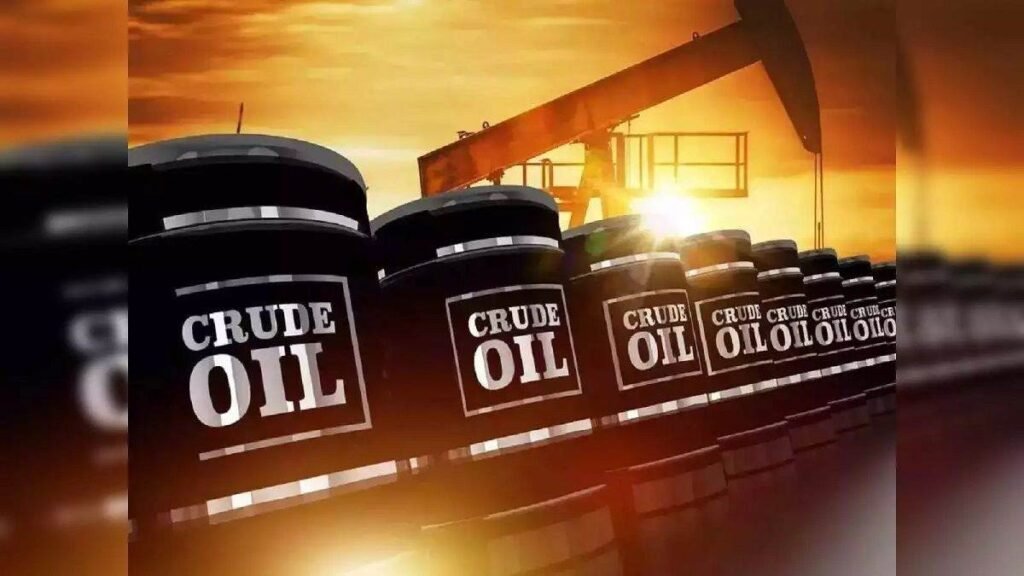
US benchmark crude recorded a jump of more than 11%, while global Brent crude rose nearly 8% in volatile trading. The rally followed statements from US President Donald Trump indicating that military operations against Iran would continue and could intensify in the coming weeks.
Brent crude closed significantly higher, while US West Texas Intermediate (WTI) saw its biggest single-day percentage gain since 2020. Despite the sharp increases, both benchmarks remained below earlier peaks reached during the conflict.
Trump’s remarks did not include a clear timeline for ending the hostilities, and he provided no concrete details on potential measures to reopen the Strait of Hormuz, a key global oil transit route. Market participants are closely watching developments around this chokepoint, as Iran has reportedly restricted movement through the waterway in response to ongoing strikes.
Analysts say the main concern is the risk of prolonged disruption to oil flows, especially if Iran’s energy infrastructure comes under further attack. WTI briefly traded at a premium over Brent, an unusual situation influenced by contract timing and near-term supply expectations.
Read More: Uncertainty Over Iran Conflict Sends Oil Prices Surging and Sliding
Economic policymakers are also monitoring the situation. Lorie Logan commented that while a swift resolution to the conflict could limit broader economic damage, uncertainty remains high due to the evolving geopolitical risks.
Forecasts from major financial institutions suggest oil prices could remain elevated in the near term, with potential for further increases depending on how long supply disruptions persist. Some projections indicate prices could climb significantly higher if the Strait of Hormuz remains closed for an extended period.
At the same time, energy producers in the United States have shown early signs of adjusting to higher prices, with a slight increase in oil rigs reported. However, producers are waiting for sustained price levels before committing to major output expansions.
Read More: Oil Prices Jump Over 3% as Iran War Fuels Supply Fears
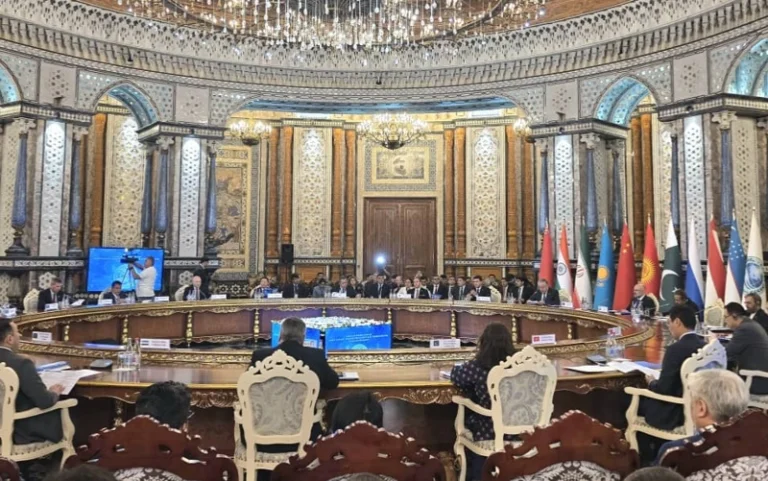
International discussions are also underway, with countries exploring options to secure maritime routes and stabilize global energy flows. Meanwhile, major producers grouped under OPEC+ are expected to consider future production adjustments, though any immediate impact on supply is likely to be limited.
Overall, the sharp rise in oil prices reflects heightened uncertainty in global energy markets, driven by conflict-related risks, potential supply disruptions, and the possibility of prolonged instability in a region critical to global oil trade.