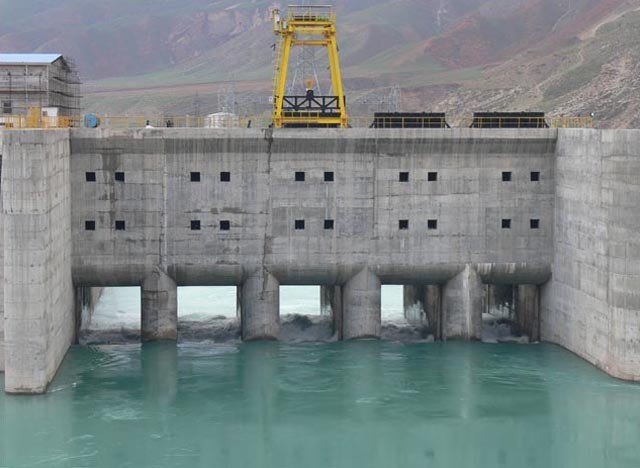
Astana (TDI): Kazakhstan has unveiled ambitious plans to almost triple its hydropower generation capacity by the end of 2030 as part of a broader national push toward renewable energy diversification and climate-friendly power infrastructure.
According to the Ministry of Energy, the country intends to commission new hydropower plants with a combined capacity of around 660 megawatts (MW) over the next five years, a substantial increase from the current installed base of 313 MW spread across 43 facilities.
The expansion program aims to raise the nation’s hydropower output to nearly 1 gigawatt (GW) by 2030 if all planned projects and existing agreements are fully executed.
This surge could significantly alter Kazakhstan’s energy mix by bolstering the contribution of clean, renewable electricity alongside continuing developments in solar and wind power.
In 2025, the grid welcomed the 26 MW Korinskaya HPP-2 plant in the Jetisu (Zhetysu) region, illustrating momentum in implementation.
By year-end, all renewable energy sources in Kazakhstan, including hydropower, produced 8.621 billion kilowatt-hours (kWh) of electricity, of which hydropower accounted for about 1.196 billion kWh.
Read More: Kazakhstan’s Khorgos Dry Port Accelerates Eurasian Transit in 2025
Officials say that maintaining momentum will rely heavily on competitive auctions to attract private investment and keep project costs under control.
In 2025 alone, the government designated 500 MW of prospective hydropower capacity to be awarded through such auctions, a model it believes enhances transparency and investor confidence.
The southern and southeastern regions of Kazakhstan, especially Zhambyl, Almaty, and Zhetysu, are expected to be the main hubs of hydropower growth thanks to abundant river networks and supportive infrastructure.
Expanding generation in these areas is also seen as a way to improve energy access in remote communities, reduce strain on the central transmission system, and enhance grid reliability.
Renewable sources accounted for roughly 7% of the national electricity mix by the end of 2025, and Kazakhstan has committed to scaling this share further as part of its energy transition strategy.
As execution unfolds, hydropower’s rise will be watched closely as both a domestic energy security measure and a potential catalyst for international investment in Kazakhstan’s growing clean-energy sector.