Beijing (TDI): China has suspended an export ban on several critical minerals to the United States, temporarily easing tensions in a trade relationship that has heavily impacted global supply chains.
The Ministry of Commerce announced on Sunday, November 9, that restrictions on the export of gallium, germanium, and antimony metals, essential for semiconductors, renewable energy technologies, and defense applications, will be lifted until November 27, 2026.
These materials are classified as “dual-use” goods, meaning they can serve both civilian and military purposes.
The suspended curbs were originally imposed in December 2024; as part of China’s response to Washington’s tightened export controls on semiconductor technologies. Beijing’s latest decision allows US importers to resume procurement of these minerals under standard Chinese approval processes.
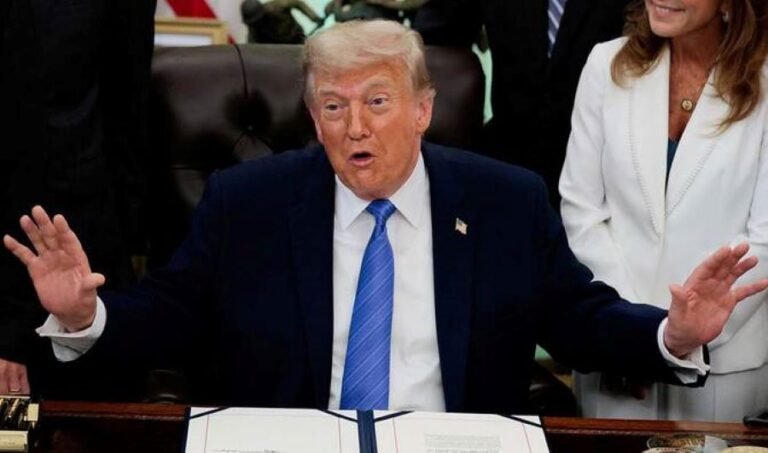
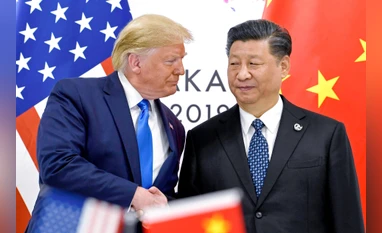
The announcement comes after a meeting between President Xi Jinping and President Donald Trump on October 30 in Busan, South Korea, where both sides agreed to de-escalate tariff and export disputes.
The meeting resulted in commitments to relax trade barriers and reopen stalled communication channels between key economic agencies.
Read More: China Defends Rare Earth Export Controls, Condemns US Tariff Threats
On Friday, China had already rolled back additional restrictions set on October 9, including limits on exports of rare earth elements, lithium battery materials, and processing technologies.
It also eased end-user verification requirements on graphite, another resource critical for electric vehicle and semiconductor production.
The decision signals Beijing’s intent to stabilize trade relations while retaining leverage in areas where it dominates global supply chains. China controls more than 70% of the world’s rare earth production, making any policy shift in this sector highly consequential for global manufacturing.
For Washington, the suspension offers temporary relief to industries dependent on Chinese raw materials. It also comes alongside US concessions, a 10% tariff reduction on Chinese imports, and a two-year postponement of entity-list sanctions against Chinese subsidiaries.
Tariffs between the two countries had reached triple-digit levels, severely disrupting bilateral trade and raising production costs across multiple sectors. The current reprieve provides a short-term opportunity to rebuild confidence and explore further cooperation.

Established in December 2008, The Diplomatic Insight is Pakistan’s premier diplomacy and foreign affairs magazine, available in both digital and print formats.