Dhaka (TDI): Bangladesh is holding what many observers are calling its most unpredictable and defining election in decades as voters go to polls on February 12, in a contest shaped by a remarkable rise in youth political engagement and a sweeping realignment of the country’s party landscape.
This parliamentary election is the first truly competitive vote since mass protests in 2024 forced long-time Prime Minister Sheikh Hasina from office, ending her 15-year rule and triggering months of national upheaval.
Millions of Bangladeshis under the age of 30, often described as Gen Z, have helped transform the political environment, making youth activism and fresh voices central to the campaign.
In a dramatic break from past polls dominated by Hasina’s ruling Awami League, that party has been banned and its leaders are either in exile or facing legal charges tied to the harsh crackdown on demonstrators. This has opened space for new and old political forces to vie for power.
Leading the contest, the Bangladesh Nationalist Party (BNP) is widely expected to win a majority of the 300 parliamentary seats.
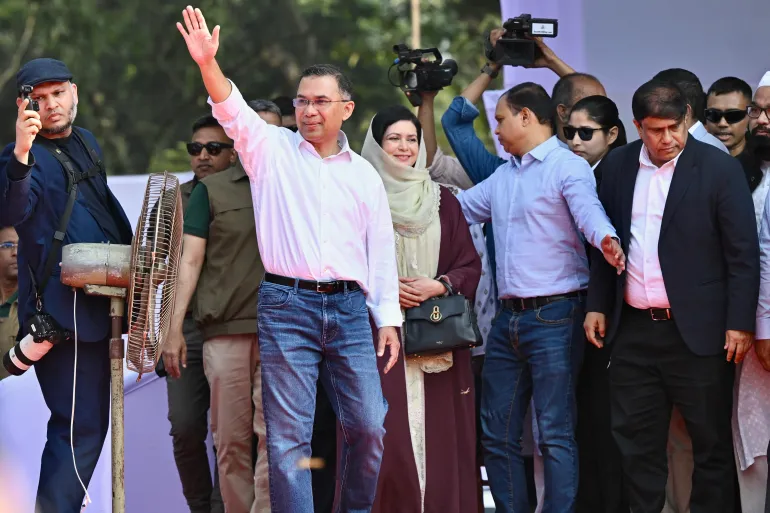
BNP chairman Tarique Rahman, son of former prime minister Khaleda Zia, has positioned his party as the primary alternative to Hasina’s legacy, promising to tackle economic woes and corruption while restoring democratic freedoms.
Read More: Post-Hasina Bangladesh Enters Election Mode Ahead of February Polls
Alongside BNP, a coalition led by the previously banned Jamaat-e-Islami has mounted a surprisingly competitive challenge with support from young activists, adding an Islamist dimension to the race.
Across Bangladesh’s bustling streets, campaign posters and rallies are far more visible than in previous elections, a vivid contrast to the tightly controlled political sphere of the past.
Economic pressures and public discontent with corruption top voter concerns, with inflation and job scarcity driving much of the electorate’s anxiety. Opinion polls suggest the BNP holds an edge, though a significant portion of voters remain undecided, particularly among Gen Z and new voters.
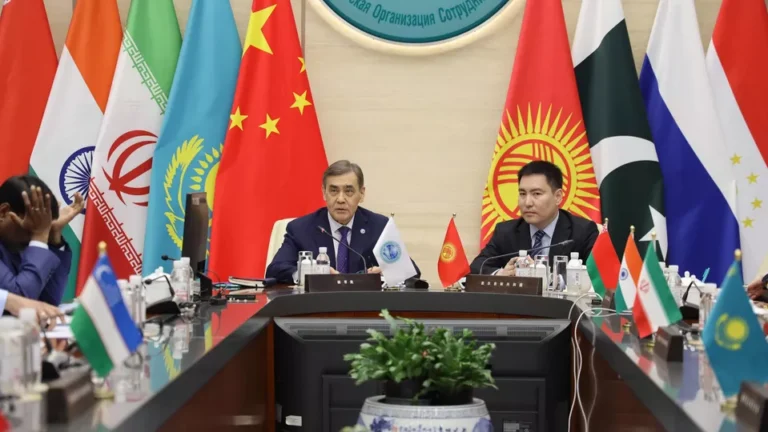
Regional geopolitics also loom large in this election. China’s influence in Bangladesh has grown since Hasina’s pro-India stance collapsed with her government, and the electoral outcome could shift Dhaka’s foreign policy and economic partnerships.
The vote is being closely watched both domestically and internationally as a barometer for Bangladesh’s democratic recovery.
Many young voters, having cut their political teeth during street protests, view this election as a chance to secure a greater voice in governance after years of frustration and political stagnation.