Tensions in the Middle East have reached a critical level, with the United States positioning significant military assets near Iran. The USS Abraham Lincoln, carrying nearly 80 aircraft, is stationed about 700 kilometers off the Iranian coast, supported by fighter jets, refueling planes, and naval reinforcements. These movements suggest that Washington is preparing for the possibility of a military strike.
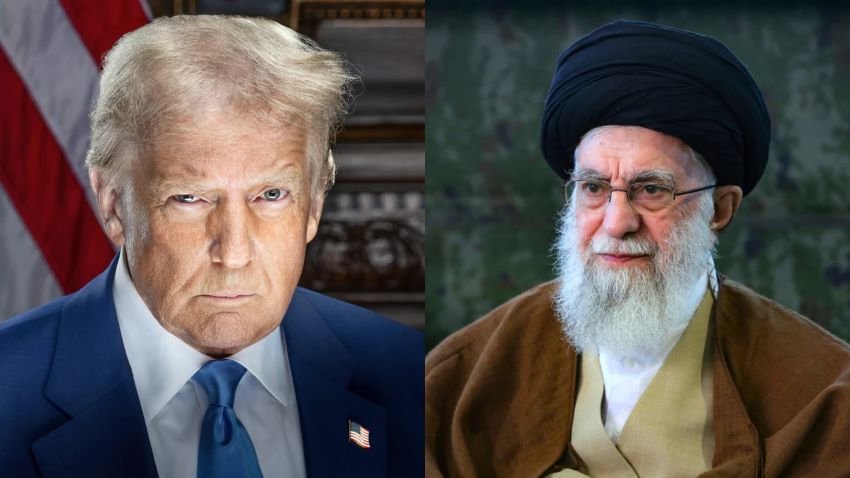
Current intelligence and public statements indicate that the likelihood of a US strike on Iran is high. President Donald Trump has warned Tehran that it has only around ten days to reach an agreement, implying serious consequences otherwise. White House officials have emphasized multiple options, including targeted strikes designed to inflict maximum impact on Iran’s military and leadership infrastructure. While a final decision has not been formally announced, analysts suggest that the momentum is moving toward action, especially if diplomatic channels do not yield results quickly.
If a strike occurs, US is likely to hit Iran’s military infrastructure and missile sites, including facilities of the Islamic Revolutionary Guard Corps (IRGC) and other strategic installations. Key research and enrichment sites could be targeted to slow or halt Iran’s nuclear program.
Read More: White House Urges Iran to Strike Deal as Trump Warns Military Action
US is also likely to target the political and military leadership to disrupt operational decision-making. But the big question is, would the US target Supreme Leader Ayatollah Khamenei and President Masoud Pezeshkian? Khamenei is Iran’s ultimate authority over political, military, and security matters. Targeting him would be highly provocative and could be considered an act of war beyond just a conventional strike. It should be clear that a direct strike on Khamenei carries enormous geopolitical risk, likely provoking widespread retaliation not only in the region but also through Iran’s network of proxies across the Middle East.
Targeting President Pezeshkian directly would also risk major escalation and is less likely than strikes on military infrastructure or nuclear facilities. The US generally prefers to focus on sites where they can degrade Iran’s operational and military capabilities without immediately provoking full-scale leadership retaliation. Moreover, the US may also hit Iran’s ports, airfields, and oil shipment routes to limit Tehran’s operational mobility.
Read More: US Vows to Prevent Iran from Acquiring Nuclear Weapons
On the other side, Iran has already demonstrated military readiness, conducting large-scale exercises in the Strait of Hormuz and joint drills with Russia in the Gulf of Oman. In the event of an attack, Tehran could target US forces and allied positions in the Gulf, disrupt shipping lanes, especially in the Strait of Hormuz. Tehran could also launch missile or drone strikes against regional US assets or allied bases.
Most importantly, The USS Abraham Lincoln and other military assets deployed in the Middle East are heavily protected, but they are not invincible. Iran has the capability to launch simultaneous drone and missile attacks to severely damage these assets. This is likely one of the reasons the US has been cautious in making a final decision about striking Iran as it’s not just about striking Iranian targets, but also about defending its own forward-deployed forces.
Given the current troop deployments, intelligence reports, and Washington’s warnings, the chances of a US strike on Iran appear high. The coming days will be decisive, and while diplomacy could still prevent escalation, the preparation and posture of both nations indicate that a military confrontation is increasingly likely.
The Middle East is entering a particularly volatile period, and any action by the US could trigger rapid and unpredictable responses from Iran.

Farkhund Yousafzai is a seasoned journalist and analyst with over a decade of experience in the media industry. He specializes in national politics and international relations and regularly contributes as an analyst to national and international media outlets.