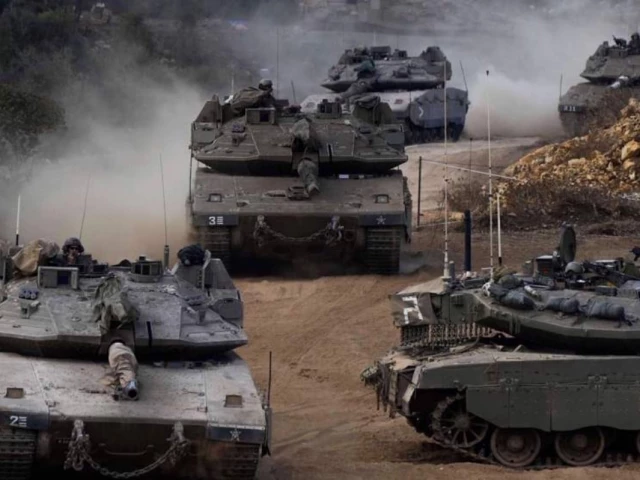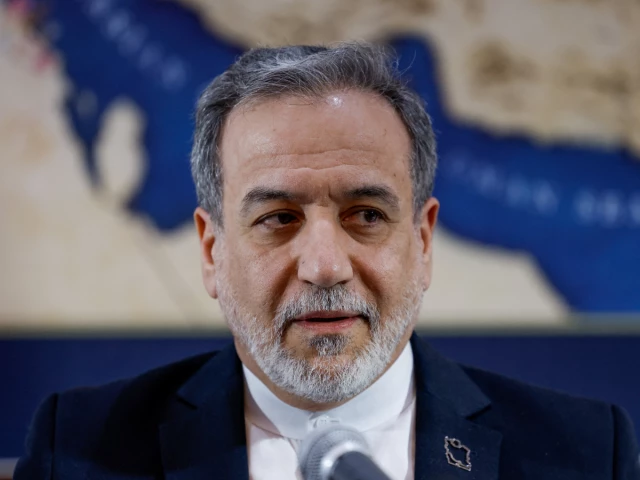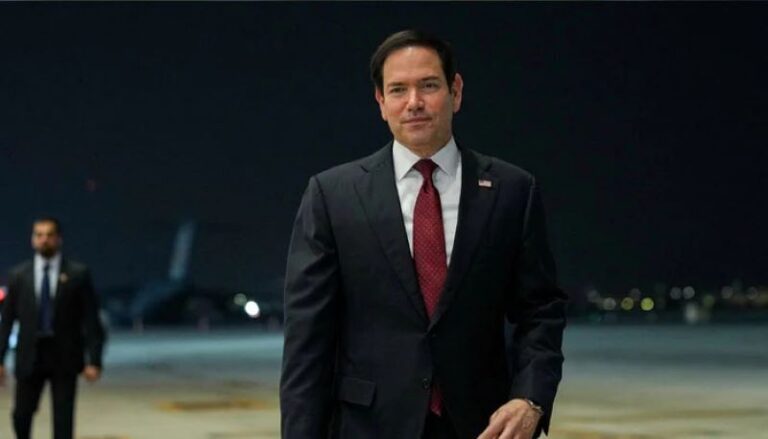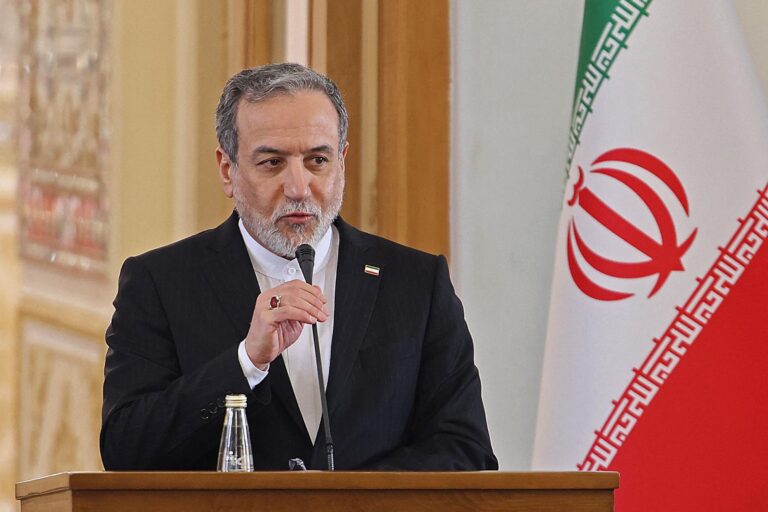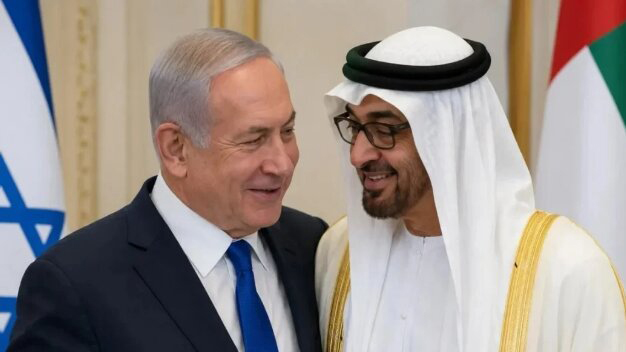
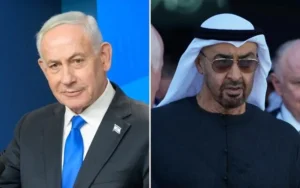
A private jet lands in Abu Dhabi. Israel’s prime minister steps out, meets the UAE president behind closed doors, and leaves without telling the world what was discussed.
But in the Middle East, silence can sometimes speak louder than an official statement. Benjamin Netanyahu’s brief and tightly guarded visit to the United Arab Emirates comes at a moment when the region is once again standing on a dangerous fault line. Iran remains at the centre of a rapidly shifting security landscape. Israel is approaching elections. Questions surrounding the October 7 attack continue to haunt Netanyahu’s political future. And behind the scenes, an already complicated relationship between Israel and the UAE is being tested by competing interests, conflicting narratives and the possibility of another regional confrontation.
For Abu Dhabi, the stakes are particularly high. The UAE has built an unusual position in the Middle East. It has deepened its strategic relationship with Israel, maintained close ties with Washington, and at the same time kept diplomatic and economic channels open with Tehran. But after the latest cycle of regional escalation, maintaining that delicate balance is becoming increasingly difficult.
So why did Netanyahu travel quietly to Abu Dhabi now? Was the meeting about repairing a relationship strained by the controversy surrounding the October 7 warnings? Was Iran the real focus of the conversation? Or were the two leaders quietly preparing for a region that may be heading towards another dangerous confrontation?
Whatever happened behind those closed doors, one thing is clear… this was more than a routine diplomatic visit. It was a meeting taking place at the intersection of Israeli politics, Iranian power, Gulf security and a rapidly changing Middle East, and what happens next could reveal just how dramatically the region’s alliances are being reshaped.
On the surface, the Abu Dhabi meeting can be described as another high-level engagement between two countries whose relations were transformed by the 2020 Abraham Accords. But the context suggests something considerably broader. The UAE has spent years presenting itself as a country capable of maintaining communication with competing regional powers. It has developed close strategic and economic relations with the United States and Israel while simultaneously maintaining channels with Iran and other regional actors.
That balancing act has become much harder. The UAE’s relationship with Israel has survived the enormous political pressure created by the Gaza war. Diplomatic, investment and cooperation links between the two countries continued despite some pulling back at the highest political level. Security cooperation has also become increasingly visible. At the same time, the UAE has repeatedly insisted that its priority is de-escalation. During the Iran War, Emirati officials publicly called for diplomacy and said UAE territory should not be used for attacks against Iran.
This creates an apparent contradiction. Abu Dhabi is deepening strategic ties with Israel while also insisting that it does not want to become a battlefield in an Israeli-Iranian confrontation.
Read More: Iran War: Is a New Middle East Order Emerging?
In reality, the two policies can coexist. For the UAE, maintaining strong security partnerships may be precisely what it considers necessary to protect its territory and economic interests in an increasingly unpredictable region.
But one point is clear. The UAE’s foreign policy is certainly more assertive than the traditional Gulf model of avoiding direct confrontation and relying primarily on larger powers for security. However, “assertive” does not necessarily mean that Abu Dhabi is seeking military confrontation.
The UAE has built influence through investment, diplomacy, trade, security partnerships and relationships with multiple sides of regional disputes. Its objective appears increasingly focused on ensuring that it has a seat at the table whenever major regional questions are decided.
The Iran war has tested that strategy severely. In March, UAE officials said Iranian attacks had targeted the country and argued that Tehran would have to stop attacks on neighbouring states for diplomacy to become possible.
Yet Abu Dhabi has not abandoned engagement with Tehran. In September, UAE Crown Prince Sheikh Khaled bin Mohamed bin Zayed met Iranian President Masoud Pezeshkian on the sidelines of the BRICS summit in New Delhi. The two sides discussed regional issues and stressed the importance of de-escalation and stability.
That meeting is revealing. Even after relations were severely strained, geography still pushed the UAE towards dialogue. As Emirati diplomatic adviser Anwar Gargash put it, geography leaves the two countries with “no alternative to engagement,” although rebuilding trust would depend on actions rather than words.
Iran is now perhaps the most important variable in the UAE-Israel relationship. For Israel, Iran represents a long-term strategic challenge. For the UAE, Iran is simultaneously a security concern, a powerful neighbour and an unavoidable economic and geopolitical reality.
That difference matters. Abu Dhabi may cooperate with Israel on intelligence and regional security without necessarily supporting every Israeli approach towards Tehran. Indeed, the UAE’s own experience of Iranian attacks may make it more determined to prevent another prolonged regional war.
This is where the Netanyahu visit becomes significant. If Israel and Iran enter another cycle of direct confrontation, Gulf states will face a difficult choice: how to protect their territory and strategic partnerships without becoming direct participants in the conflict.
The UAE has already experienced the consequences of that dilemma. The wider Gulf crisis has generated serious uncertainty around shipping, energy markets and investment decisions. For a country whose global standing is closely connected to trade, aviation, finance, tourism and investment, prolonged regional instability carries a direct economic cost.
The other sensitive issue surrounding the Netanyahu visit is the controversy over whether Sheikh Mohamed bin Zayed warned Netanyahu before the October 7 attack. Israeli and international media have reported conflicting accounts. Netanyahu’s office has denied receiving such a warning, while the UAE has declined to comment on reports concerning private conversations between leaders. However, the Emirati Foreign Ministry has said that UAE and Israeli agencies maintain direct communication and that relevant intelligence has been shared when necessary.
The Abu Dhabi meeting therefore also provided an opportunity to manage a politically sensitive dispute between the two leaderships. But there is an important distinction between what is known and what is being inferred. The UAE has publicly confirmed the meeting and its broad agenda, detailed claims about private conversations remain disputed.
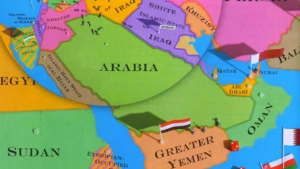
The larger story is not simply about Netanyahu and Sheikh Mohamed. It is about the emergence of a Middle East in which old alliances are becoming more flexible and more transactional. The Abraham Accords created a new Israeli-Gulf relationship. The Iran conflict has accelerated security cooperation. But the UAE’s simultaneous engagement with Tehran demonstrates that regional states are unwilling to place all their strategic interests in a single camp.
Saudi Arabia, Qatar, Oman and the UAE have different approaches towards Iran, Israel and the United States, yet all face the same geographical reality: a major conflict in the Gulf cannot be contained easily. This means diplomacy is unlikely to disappear even as military alliances become stronger. The region may instead move towards a complicated model in which countries cooperate with one another in one area, compete in another and maintain communication with their adversaries at the same time.
The immediate question is whether the Netanyahu-MBZ meeting produces a visible strengthening of UAE-Israel security cooperation or remains primarily a diplomatic effort to repair strained political relations. The larger question is what happens if tensions with Iran rise again.
For Israel, the UAE is strategically valuable because of its location, its relationship with Washington and its regional influence. For the UAE, Israel offers advanced defense capabilities and access to a powerful strategic partner.
Read More: A War at Sea: From Hormuz to Bab el-Mandeb
But Abu Dhabi also has strong reasons to avoid becoming an Israeli-Iranian battlefield. That tension will shape the next phase of Gulf politics. Netanyahu’s private trip to Abu Dhabi may therefore prove important not because of what the two leaders publicly announced, but because it illustrates the new reality of Middle Eastern diplomacy: alliances are becoming deeper, threats are becoming more interconnected, and even countries that appear to be moving closer to one camp are keeping channels open with the other.
The Middle East is no longer being divided neatly into opposing blocs. It is becoming a region of overlapping partnerships, competing interests, carefully managed contradictions, and the UAE is increasingly at the centre of that transformation.

Farkhund Yousafzai is a seasoned journalist and analyst with over a decade of experience in the media industry. He specializes in national politics and international relations and regularly contributes as an analyst to national and international media outlets.