WASHINGTON (TDI): US President Donald Trump has directed the US Treasury and Coast Guard to block all sanctioned Venezuelan oil tankers from entering or leaving ports worldwide, escalating pressure on Caracas amid ongoing tensions with the Maduro government.
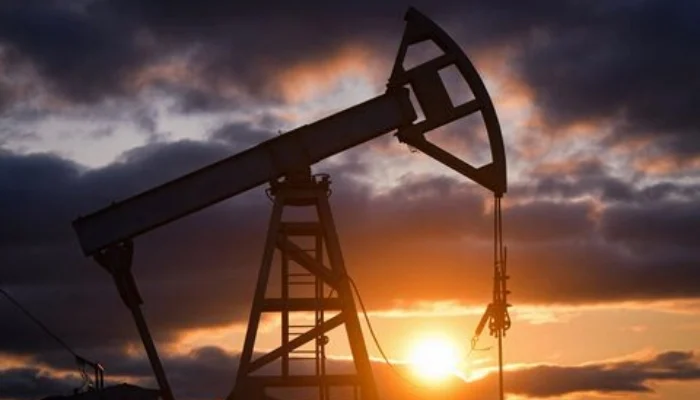
Oil prices jumped over 1% in Asian trading on Wednesday following Trump’s announcement. Brent crude futures rose by 70 cents, or 1.2%, reaching $59.62 a barrel, while US West Texas Intermediate (WTI) crude climbed 73 cents, or 1.3%, to $56.00 a barrel. US crude had settled at $55.27 a barrel on Tuesday, its lowest closing price since February 2021.
The price jump reflects concerns over a potential reduction in Venezuelan oil exports, though traders are still awaiting details on how the blockade will be enforced and whether it may affect non-sanctioned vessels.
Trump made the declaration on Tuesday, saying that Venezuela’s leadership, under President Nicolás Maduro, has been designated a “foreign terrorist organization” and accusing the government of financing drug trafficking, terrorism, and human smuggling with oil revenues. The blockade targets tankers under U.S. sanctions and is intended to cut off a key source of income for Caracas.
The Treasury Department said the blockade is part of a broader effort to pressure the Maduro administration over political repression, corruption, and human rights violations.
Sanctions already in place have targeted oil exports, government officials, and key financial institutions, and the new measures further tighten the United States’ grip on Venezuela’s critical energy sector.
while blockades have historically been allowed as instruments of war, their use is bound by strict legal conditions. Questions remain about the legality of Trump’s blockade under both U.S. domestic law and international law.
Meanwhile, US Representative Joaquin Castro, a Democrat from Texas, criticized the move, describing it as “clearly an act of war” that lacks congressional authorization and public support.
In a social media post, Trump claimed the move would continue until Venezuela “returned all of the oil, land and other assets previously stolen,” and highlighted a significant US military presence in the region, including warships and aircraft, ready to enforce the directive. Caracas has denounced the order as a “grotesque threat” and a violation of international law, rejecting the US claims.
Venezuela, heavily dependent on oil revenue, exports most of its crude to global markets. The blockade could further reduce supplies by hundreds of thousands of barrels per day, affecting international energy markets and pushing prices higher, particularly at a time when global oil demand is rebounding.

Minahil Khurshid holds a master’s degree in Peace and Conflict Studies from CIPS, NUST. She has a strong interest in current affairs, geopolitics, and policy analysis.