Tehran (TDI): Shipping through the Strait of Hormuz has dropped sharply as Iran’s Revolutionary Guard Corps (IRGC) issued warnings for vessels to follow specific routes through Iranian territorial waters, raising fresh uncertainty for global maritime traffic.
Traffic through the narrow waterway fell to less than 10% of normal levels on Thursday, with only a handful of ships passing compared to the usual volume of around 140 vessels per day.
According to Iranian media reports, the IRGC has instructed ships to use a designated passage near Larak Island, requiring vessels to enter the strait north of the island and exit to the south. The move is reportedly aimed at reducing the risk of naval mines in traditional shipping lanes, with coordination expected from the IRGC naval forces.
Maritime security firms have warned that risks remain high. UK-based Ambrey said there is still a “realistic possibility” of continued threats to unauthorized shipping movements in the strait, including risks for vessels linked to the US or Israel. It also noted that some ships have been turned back even after receiving apparent clearance, according to Reuters.
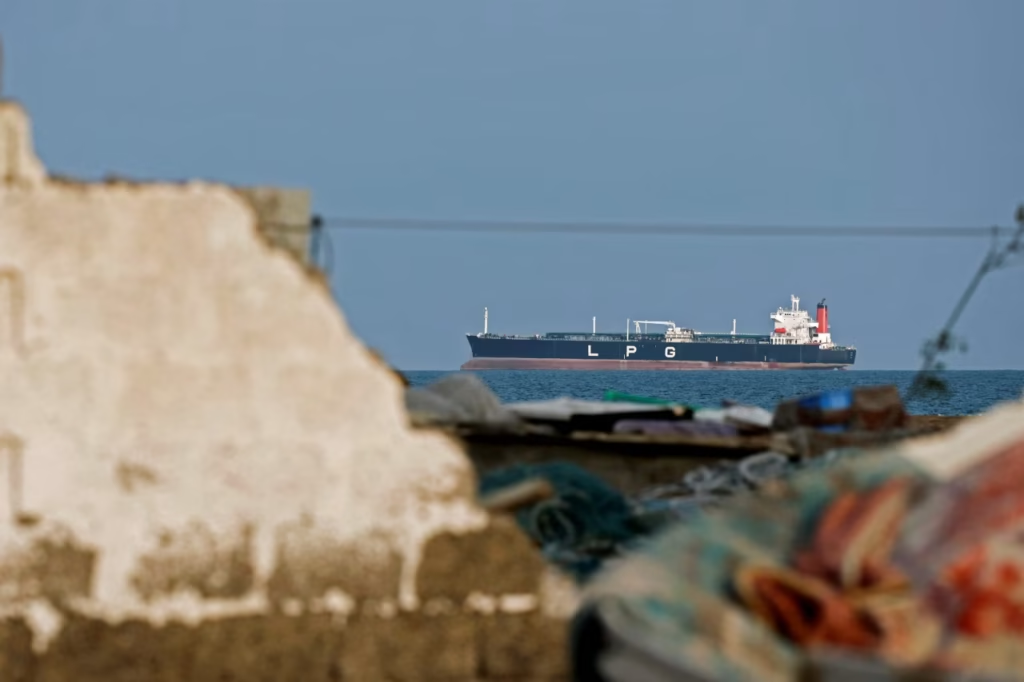
Shipping data shows only six vessels crossed the strait in the past 24 hours, including one oil tanker and five bulk carriers, a steep decline from normal activity. Around 180 tankers carrying large volumes of crude oil and refined products are currently waiting in the region, creating a significant backlog.
Read More: UAE Supports US–Iran Ceasefire, Emphasizes Strait of Hormuz Freedom
Japanese shipping company Mitsui O.S.K. Lines said it had recently managed to move three tankers out of the strait but is still waiting for clearer safety guidance from authorities. The company stressed that operations will only continue if risks are confirmed to be low.
There are also reports that Iran may consider charging ships a transit fee for passage through the strait, although this has not been officially confirmed. Some vessels have reportedly already taken alternate routes near Larak Island, though operators deny paying any such charges.
Western officials and energy leaders have strongly opposed any idea of Iran imposing tolls on shipping, with some calling for unrestricted access through the waterway.
Meanwhile, India has eased import regulations to ensure continued energy supplies from the Gulf amid a worsening LPG shortage, including allowing certain sanctioned Iranian shipments to enter its ports under special waivers.
Read More: Iran Unlikely to Reopen Strait of Hormuz Soon: US Intelligence
Despite global tensions, Iranian-flagged tankers continue to move through the strait, with analysts reporting that dozens of Iranian vessels have successfully reached Asian destinations since the conflict began.
Oil markets have also reacted sharply, with prices rising significantly since late February and fuel costs increasing globally.