Washington (TDI): US intelligence assessments suggest that Iran is unlikely to reopen the Strait of Hormuz anytime soon, as it views control over the critical waterway as its strongest leverage in the ongoing war, Reuters reported citing sources.
The findings indicate that Tehran may continue to restrict traffic through the strait to keep global energy prices elevated, thereby increasing pressure on US President Donald Trump to seek a resolution to the war. The strategy underscores how Iran is using its geographic advantage to influence both military and economic dynamics.
The Strait of Hormuz, one of the world’s most important economic corridors, carries roughly a fifth of global oil trade. Its disruption has already driven energy prices higher and raised concerns about inflation and supply shortages worldwide.
While Trump has expressed confidence that the passage could be reopened, even suggesting military action as an option, analysts warn that such a move could be risky and potentially lead to a prolonged conflict. Experts note that Iran’s control over one side of the narrow strait gives it a significant tactical advantage.
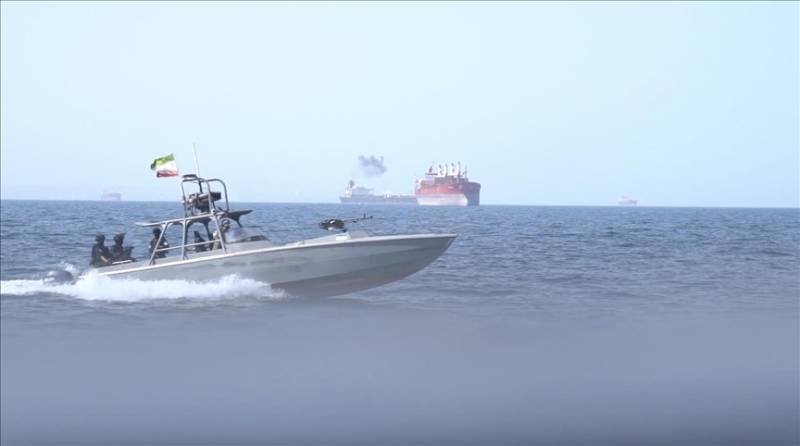
Iran has used a range of tactics to make the waterway unsafe for commercial shipping, including drone activity, naval threats, and demands for transit permissions. These actions have effectively reduced traffic and heightened uncertainty in global markets.
Read More: UNSC to Vote on Resolution to Safeguard Commercial Shipping Through Strait of Hormuz
Even if military operations were launched to secure the strait, experts caution that Iran could continue to target vessels using drones and missiles from inland positions, making it difficult to ensure safe passage. The narrowness of the shipping lanes further complicates any intervention.
Read More: Iran Threatens Measures to Block Military Use of Strait of Hormuz
Overall, the intelligence assessments highlight the complexity of the situation. Iran’s grip on the Strait of Hormuz not only shapes the battlefield but also gives it significant influence over global energy markets, making any diplomatic resolution more challenging.