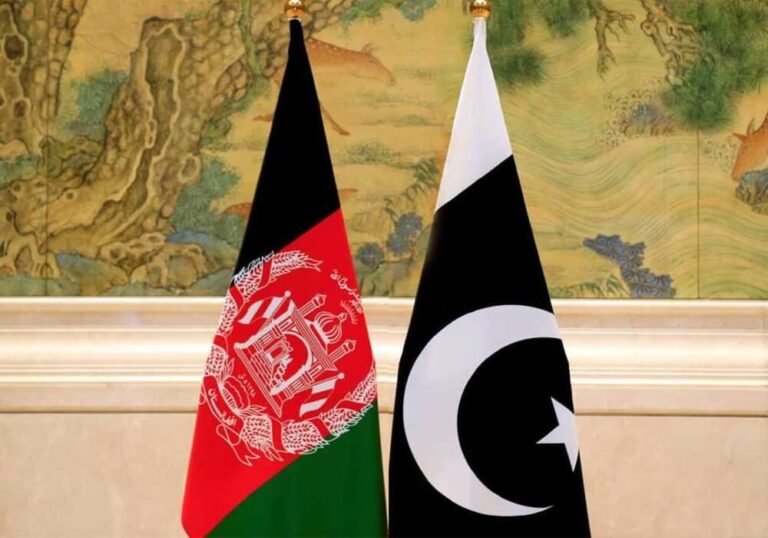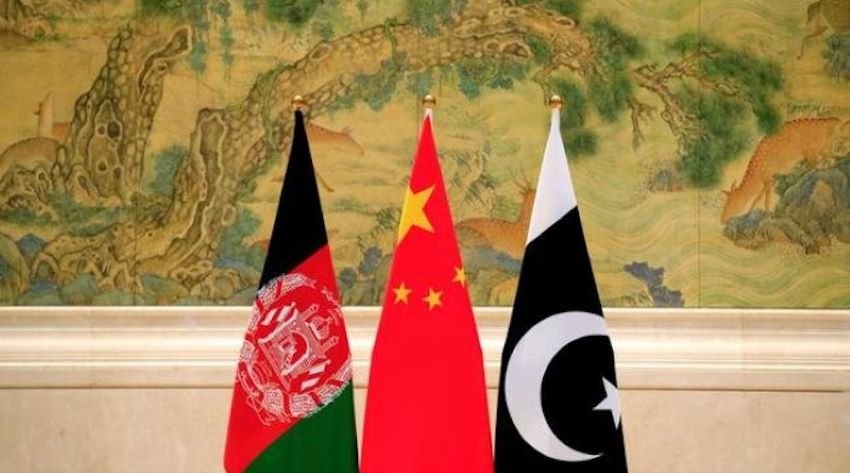
Urumqi (TDI): Pakistan has presented three primary conditions in its negotiations with the Afghan Taliban in Urumqi, where China is facilitating dialogue between the two sides in an effort to ease tensions.
Islamabad has asked Kabul to officially designate the Tehreek-e-Taliban Pakistan (TTP) as a terrorist group, take concrete steps to dismantle its operational network, and share clear, verifiable evidence of these actions. These points have become central to Pakistan’s stance, which officials say has grown firmer due to continuing security threats, according to The Express Tribune.
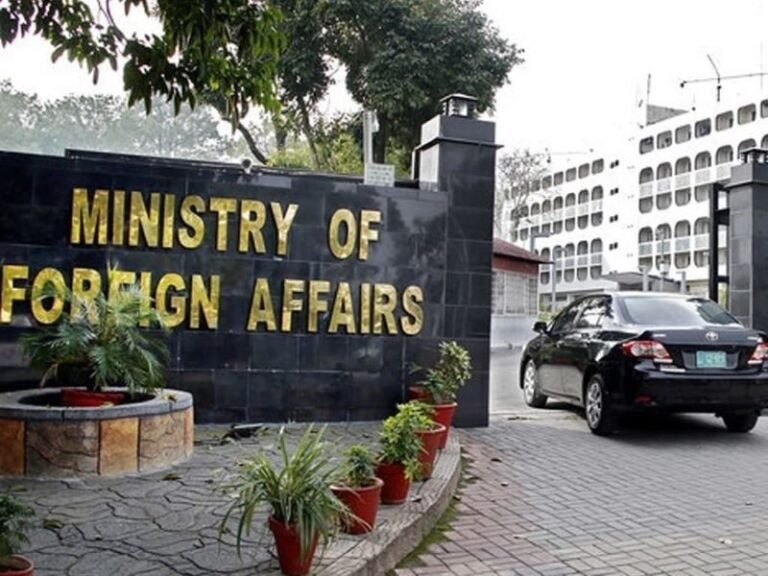
So far, the Foreign Office has only confirmed that talks are taking place, without going into specifics about the agenda or progress. Spokesperson Tahir Andrabi recently clarified that participation in the Urumqi discussions does not signal any shift in Pakistan’s current policy, especially regarding ongoing security operations.
On the Afghan side, Foreign Minister Amir Khan Muttaqi has indicated that the talks are still in progress and expressed a willingness to resolve outstanding issues through dialogue.
China has been quietly but actively involved behind the scenes, with its special envoy for Afghanistan, Yue Xiaoyong, engaging both Islamabad and Kabul in recent months to bring their positions closer. Reports suggest that Chinese officials are holding separate consultations with each side before moving toward more structured, direct negotiations.
Read More: China Says Pakistan, Afghanistan Agree to Sit Down Again After Urumqi Talks
Pakistan has emphasized that the scope of these talks will remain limited, focusing strictly on counterterrorism and border security. Broader political engagement is not on the table at this stage. The aim, officials say, is to address concerns about militant groups operating from Afghan territory and to establish safeguards against cross-border attacks.
Discussions are also said to include a possible framework that could lead to a working arrangement between the two sides. This may involve a ceasefire understanding, assurances on counterterrorism measures, the dismantling of militant sanctuaries, and steps to ensure safer trade routes. There is also talk of setting up a more formal and consistent dialogue mechanism going forward.
Read More: Pakistan, Afghanistan, China, and the Realignment of Asia
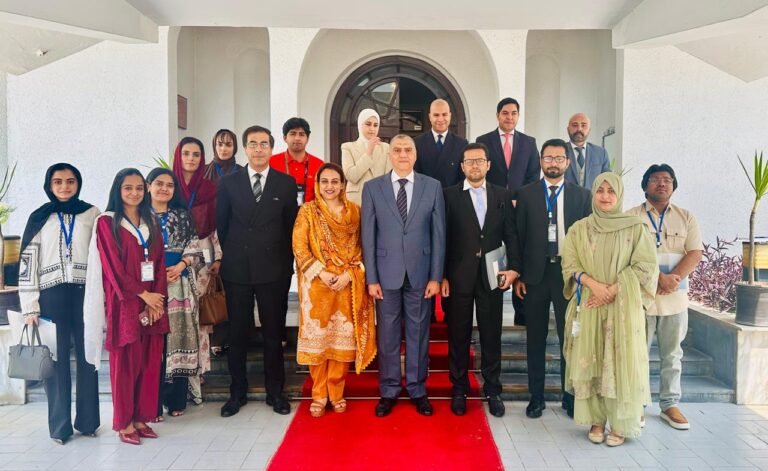
Both delegations in Urumqi are composed of technical-level officials, underlining the practical nature of the talks. Pakistan’s team is led by Syed Ali Asad Gilani, while the Afghan side is headed by Mohibullah Waseq, with representatives from key ministries and security institutions on both sides.
Observers see the talks as a cautious but meaningful attempt to stabilise relations between Pakistan and Afghanistan. However, significant differences remain, and any real progress will likely depend on how far Kabul is willing to go in addressing Islamabad’s security concerns.