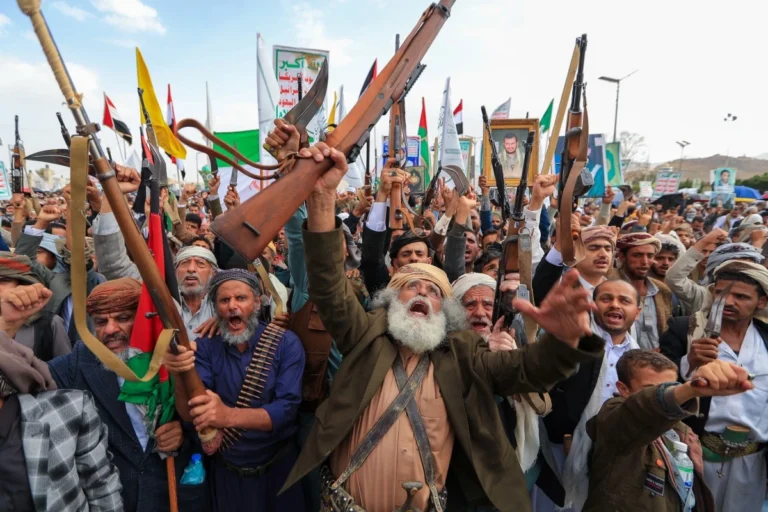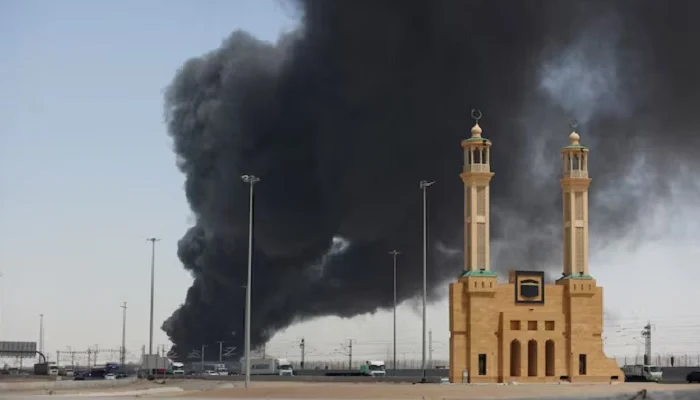
The US-Israel War against Iran has once again highlighted the precarious nature of security in the Middle East and the chances of regional wars escalating into conflicts with global ramifications. In the face of rising tensions and the growing concern of a wider conflict, it became important to exercise restraint and intensify diplomatic efforts for de-escalation and management of the conflict.
Amidst the war, Pakistan presented itself as a strong voice for dialogue and peaceful resolution of conflicts, amplifying its reputation as a responsible regional power that promotes stability.
The crisis also brought to light the changing international perceptions about the role of Pakistan in diplomacy. While the foreign policy of Pakistan has always been based on dialogue, peaceful co-existence and respect for the sovereign countries, the above-mentioned situation of the Iran- Israel conflict has put its foreign policy engagements with various stakeholders in the spotlight in a period of escalating tensions.
Overall, Pakistan’s actions demonstrated the ongoing relevance of diplomacy and political engagement as powerful tools for resolving conflicts and averting escalation in a world where geopolitical competition remains a key driver of international relations.
Today, influence is not necessarily synonymous with military force or economic muscle in international politics. Diplomatic weight is also important in shaping results, reaching consensus and avoiding a complete out of control conflict.
In a world of interconnection, states with the ability to hold dialogues and to advocate for a measure of restraint are growing in influence. In fact, the Pakistani diplomacy during the crisis showed this reality and the emerging role and importance of middle powers in regional stability through constructive diplomacy.
Today, influence is not necessarily synonymous with military force or economic muscle in international politics. Diplomatic weight is also important in shaping results, to reach consensus and avoid a complete out of control conflict.
In a world of interconnection, states with the ability to hold dialogues and to advocate for a measure of restraint are growing in influence. In fact, the Pakistani diplomacy during the crisis showed this reality and the importance of middle powers in regional stability through constructive diplomacy.
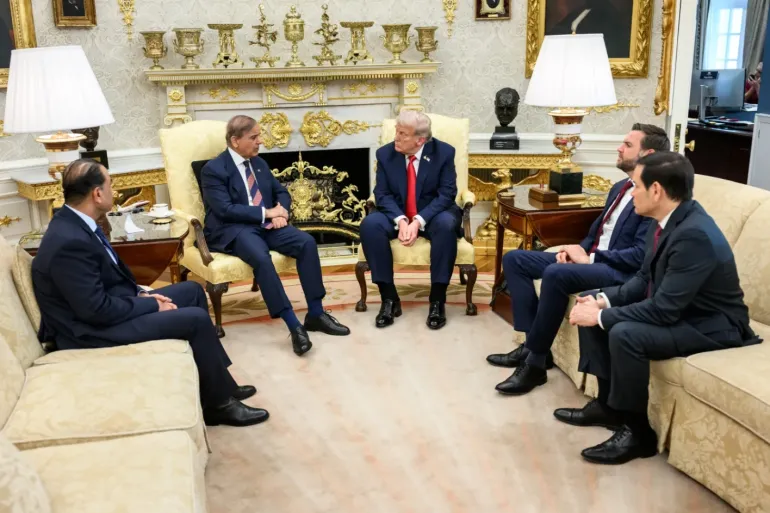
Pakistan emphasized the need to observe sovereignty, peaceful settlement of disputes and the rule of law in international law during the crisis. Prime Minister Shehbaz Sharif has strongly condemned those acts that could further escalate the conflict and has called for restraint, dialogue and adherence to international law.
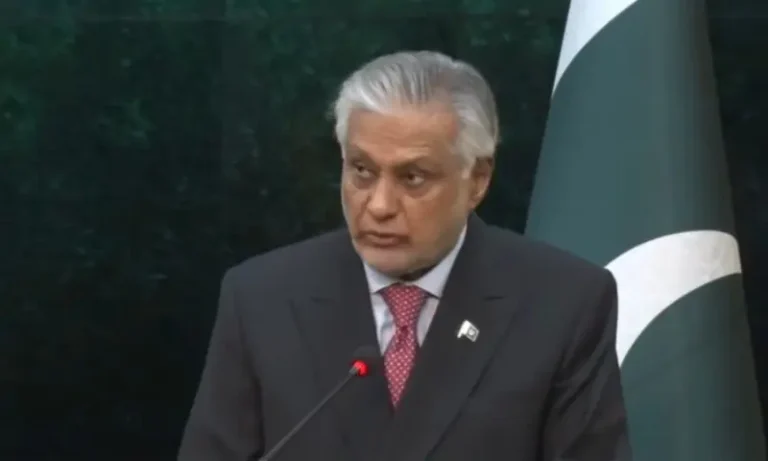
Deputy Prime Minister and Foreign Minister Ishaq Dar also played a proactive role by holding diplomatic dialogue with regional and international counterparts and reiterating Pakistan’s commitment to de-escalation and peaceful resolution of conflicts.
Additionally, Pakistan has also utilized multilateral platforms such as the United Nations and the Organization of Islamic Cooperation (OIC) to call for calmness as well as for a diplomatic resolution to prevent the escalation of the situation into a broader regional conflict.
Pakistan has repeatedly urged in the UN and other international fora adherence to the UN Charter and international law and has been urging de-escalation of the situation and peaceful resolution of the issue within the OIC, along with other members.
In this context, Pakistan continues to communicate with the important stakeholders, including the United States, China, Turkey, Saudi Arabia, Qatar, Egypt, Iran, and the other Gulf Countries. This reflected the fact that Pakistan’s relentless efforts were directed towards maintaining the lines of communication and facilitating international efforts directed towards the de-escalation of the situation.
Pakistan’s policy of restraint and not confrontation was aimed at creating a conducive atmosphere for dialogue and peaceful resolution of conflicts.
Strategic considerations were also a key factor in Pakistan’s strategy. Like other countries, Pakistan has a direct interest in not having instability spill over its borders, as it has close historical, cultural and economic ties with the region. The conflict has the potential to affect regional security, energy markets, trade routes and population movements if it were to be prolonged or expanded.
The region’s socio-economic activity, border management and refugee movements may be further strained by increased instability. Thus, the advocacy for de-escalation not just accorded with the Pakistani diplomatic philosophy but was also in line with Pakistan’s national interests.
There are many examples in the international arena of the importance of diplomacy during a crisis. Oman’s quiet diplomacy helped to negotiate what is known as the Joint Comprehensive Plan of Action (JCPOA). Qatar has successfully hosted many dialogue events between conflicting parties in the Middle East, and Norway has had a significant role in the Oslo peace process.
As these examples are evident, influence in international politics is not only military or economic power. Trust, credibility, access and ability to act as a conduit for dialogue can sometimes be as important as anything else in diffusing tensions and providing the opportunity to communicate.
The Iran-Israel Crisis further reinforced this principle. Diplomatic engagement was vital in preventing the confrontation from escalating further, keeping it from escalating further, even though military signaling and deterrence were always important.
Pakistan’s commitment to dialogue and political engagement was instrumental in reaching an agreeable Islamabad MoU in the first place. Pakistan’s efforts for restraint and promotion of peaceful means of dispute resolution enabled it to join the international trend in maintaining regional stability.
The crisis highlighted a critical dimension of Pakistan’s responsibility as a stakeholder that is mostly underestimated. Often, Pakistan is seen from the perspective of geopolitical competition and security issues. Its response, however, showed its ability to make a positive contribution to the region by promoting stability and supporting diplomatic efforts to maintain peace. This made Pakistan more credible as a state that was interested in dialogue and not confrontation.
The Iranian situation also underscores the importance of having balanced relations, especially during conflict. Pakistan’s relations with both the conflicting parties and other major powers and its neighbors allowed it to reach out to and suggest diplomatic measures when the situation worsened.
The ability to create a space for dialogue and minimize misunderstandings is an important diplomatic advantage for states that can do so in an era of growing geopolitical polarization.
In today’s contemporary international politics, economic power and military strength are no longer the only measures of influence. States that can manage a crisis and promote dialogue and support de-escalation are increasingly shaping regional and international outcomes.
The continued importance of diplomacy as a means of achieving regional stability was evident in Pakistan’s efforts to foster dialogue, communication, and the promotion of peaceful conflict resolution.
In an increasingly geopolitically fragmented world with frequent regional conflicts and increasing uncertainties in international affairs, states that can promote dialogue and help to restrain the use of force are more valuable than ever.
Pakistan’s response to the Iran–Israel battles highlighted that diplomacy, positive engagement, and principled advocacy for peaceful solutions continue to be potent tools of influence. Diplomacy will not always produce quick results, but it is crucial to give space for a negotiated solution to prevent a crisis from escalating.
A well-balanced, proactive and dialogue-based foreign policy would enable Pakistan to further consolidate its position as a responsible stakeholder and contribute more effectively towards regional and international peace and security.
*The views presented in this article are the authors’ own and do not necessarily reflect the views of The Diplomatic Insight.

Shahwana Sohail
Shahwana Sohail is a research associate at the Centre for International Strategic Studies, Islamabad. She can be reached at [email protected]