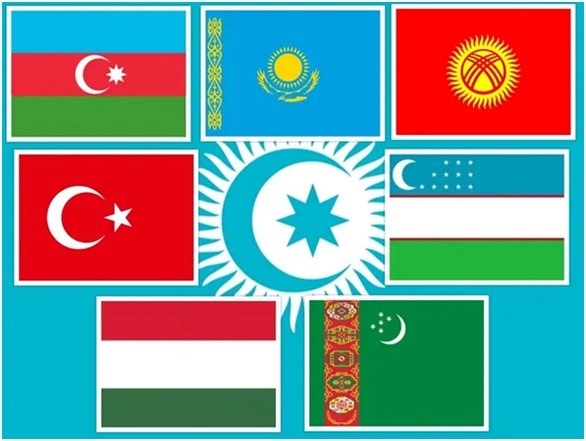
Tashkent (TDI): The Turkic world is strengthening its position as a potential major tourism destination in Eurasia, with Uzbekistan and other members of the Organization of Turkic States (OTS) expanding cooperation in cultural tourism, regional connectivity, and the promotion of shared historical heritage.
Tourism has become an increasingly important sector of Uzbekistan’s economy, contributing not only to economic growth but also to international engagement, cultural exchange, and public diplomacy. Within this framework, Tashkent views cooperation with fellow OTS members as a natural priority, supported by shared historical roots, cultural traditions, and close ties among their peoples.
Since Uzbekistan joined the organization in 2019, cooperation in tourism has continued to develop through institutional dialogue and joint initiatives aimed at creating a more integrated regional tourism space.
A key step has been the establishment of the OTS Tourism Council, which provides a platform for coordinating efforts to develop joint travel routes, exchange professional expertise, improve service standards, and strengthen tourism infrastructure across member states.
Read More: How Tourism Can Strengthen Cultural Diplomacy and International Relations
The unified tourist route known as the “Great Silk Road” stands out as one of the most prominent examples of regional cooperation. Connecting historic and cultural destinations across the Turkic world, the route links cities including Samarkand, Bukhara, and Khiva in Uzbekistan with Baku, Almaty, Bishkek, and Ankara.
The initiative offers international visitors an opportunity to explore the region’s architectural landmarks, historical sites, traditional cuisine, and cultural practices through a connected travel experience.
Uzbekistan occupies a significant place in this network, with its historic cities and architectural heritage forming an important part of the region’s appeal. The country has undertaken extensive efforts in recent years to restore cultural monuments, modernize tourism infrastructure, and improve transport and logistical arrangements for visitors.
These efforts are intended to make destinations more accessible while preserving the heritage that distinguishes the region in the international tourism market.
Developing a skilled workforce is another priority for Uzbekistan’s tourism cooperation with OTS member states. The country works with universities and institutions in Türkiye, Kazakhstan, Azerbaijan, and other participating states on student exchanges, professional internships, seminars, and joint research projects.
The aim is to strengthen expertise in tourism management, marketing, and digital technologies while preparing professionals to meet changing international standards and visitor expectations.
Beyond technical training, these exchanges also help deepen cultural understanding and build professional networks across the region.
Digitalization and easier cross-border travel are also central to plans for expanding tourism cooperation. Visa-free arrangements established through bilateral agreements between Uzbekistan and several OTS countries have helped facilitate travel and encourage greater movement between participating states.
Read More: Uzbekistan, South Korea Expand Cooperation in Tourism
A possible common electronic visa is being considered as a further step towards simplifying travel across multiple destinations within a single tourism package.
Uzbekistan also supports the development of a shared digital platform that could provide visitors with information on travel routes, booking services, reviews, and cultural events. Such a platform could make trip planning easier while helping tourists discover destinations across the Turkic world.
International exhibitions and tourism forums remain important tools for promoting the region’s attractions and building partnerships between tourism authorities and industry representatives.
Uzbekistan regularly presents its tourism offerings at international fairs and hosts events designed to advance regional cooperation.
The Forum of Tourism Ministers of OTS Member States, held in Samarkand, provided an opportunity for participating countries to discuss industry challenges, exchange experiences, and identify long-term priorities for cooperation.
Such engagements reflect a broader effort to position the Turkic world as a connected destination rather than a collection of separate national tourism markets.
According to the figures cited by Uzbekistan, the number of tourists arriving from the OTS region exceeded 6.15 million over the past year, highlighting the importance of travel links among participating countries. The figure also points to the potential for further growth through coordinated promotion, improved connectivity, and more accessible travel arrangements.
The Turkic world brings together a diverse range of historical sites, landscapes, architectural traditions, and cultural experiences. Its shared heritage, combined with the distinct identities of individual countries, offers opportunities to attract visitors seeking historical exploration, cultural experiences, and regional travel.
Realizing this potential will depend on continued investment in infrastructure, consistent service standards, effective digital services, and closer coordination among tourism authorities and businesses.
For Uzbekistan, deeper engagement with OTS members is both an economic opportunity and a means of strengthening regional connections. The country has expressed its readiness to continue initiating joint projects, reinforcing institutional cooperation, and supporting efforts to develop a more integrated tourism space across the Turkic states.
As regional cooperation expands, the Turkic world is seeking to translate its common heritage and growing tourism links into a more recognizable presence in the global travel market.