Tourism is often discussed in economic terms: arrivals, hotel occupancy, airline traffic, foreign-exchange earnings and job creation. But its diplomatic importance is just as significant.
When managed thoughtfully, tourism becomes a form of cultural diplomacy: a channel through which states, cities and communities introduce themselves to outsiders, shape perceptions and create people-to-people contact that formal diplomacy alone cannot achieve.
That matters more than ever in an era when mistrust, geopolitical polarization and online misinformation can distort how societies see one another.
A tourist does not only consume a destination; the tourist also witnesses how a country treats heritage, diversity, public space, hospitality and difference. These experiences influence international opinion in ways that are often subtle, but long-lasting.
For this reason, tourism should not be viewed only as a service sector. It is also a soft-power instrument, a cultural bridge and, in the best cases, a practical contributor to international understanding.
Traditional diplomacy operates through embassies, summits, treaties and formal state communication. Tourism works on another level. It places ordinary people inside another society, allowing them to encounter its culture directly rather than through media filters or political rhetoric.
This kind of contact can reduce stereotypes, soften suspicion and create more grounded impressions of a country’s people and values.
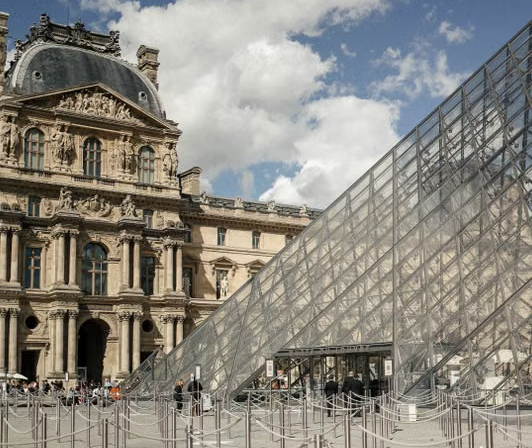
Cultural tourism turns heritage into dialogue
Cultural diplomacy becomes stronger when tourism moves beyond sightseeing and into understanding. UN Tourism defines cultural tourism as travel motivated by learning, discovering and experiencing a destination’s tangible and intangible cultural attractions, including heritage, arts, architecture, music, literature, culinary traditions, beliefs and ways of life. That definition is important because it frames tourism not as passive consumption, but as encounter.
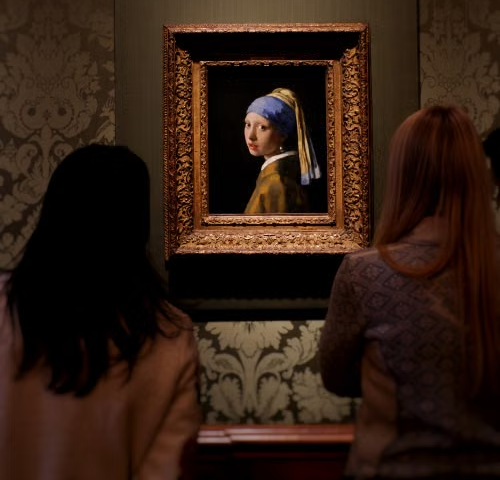
When travelers engage with living culture rather than treating it as decoration, tourism can become a form of dialogue. A museum visit, a heritage route, a local festival, a culinary trail or an indigenous tourism experience can all communicate identity, memory and social values across borders. That strengthens international relations not through negotiation, but through recognition.
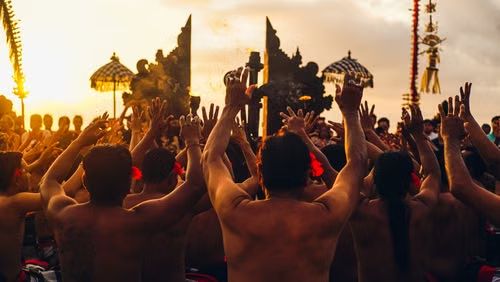
Soft power depends on attraction and credibility. If a country promotes itself through tourism but gives visitors an experience that feels exclusionary, chaotic, exploitative or disconnected from reality the diplomatic effect weakens. But when tourism matches a country’s lived values soft power can reinforce trust and admiration.
Authenticity matters much because cultural diplomacy is most persuasive when visitors feel they have encountered something real rather than staged. Clean infrastructure, heritage, multilingual interpretation, respectful local engagement and visible cultural confidence all strengthen the perception that a country knows who it is and is comfortable sharing that identity, with the world.
Shared tourism initiatives can improve relations between states
Tourism is more than promoting a country’s image. It actually gives states a reason to team up. Things like heritage routes working together to market travel spots making visas easier building regional tourism corridors and joining hands to protect shared heritage can all lead to better cooperation.
This is especially true between neighbors who have shared pasts or tricky political relationships. These efforts bring people closer one trip, at a time.
This is where tourism begins to back relations in a stronger way. UNESCO and UN Tourism signed a cooperation agreement in March 2026 to push sustainable, inclusive and resilient tourism.
The agreement focuses on country programs, pilot projects, knowledge sharing and transnational tourism routes such as the Silk Roads. That kind of partnership matters because it ties tourism to heritage protection, education and cultural exchange across borders of seeing travel only, as business.
Tourism strengthens cultural diplomacy most effectively when local communities are not pushed aside by it. Visitors tend to remember human exchange more than infrastructure: a guide’s story, a host family’s hospitality, a local artisan’s explanation, a community’s rituals or a conversation in a market. Those interactions humanize foreign societies and make diplomacy personal.
UN Tourism’s work on indigenous tourism and accessible cultural tourism reflects this principle. Good tourism policy does not simply increase arrivals. It creates systems that let communities protect their heritage decide how it is shown and gain from taking part.
When tourism shows respect for dignity and local agency it becomes a trustworthy tool for people, around the world to understand each other.
Tourism can reduce tension, but only if it avoids cultural extraction
It would be naïve to suggest that all tourism automatically strengthens diplomacy. Poorly managed tourism can commodify culture, strain local communities, damage heritage and widen resentment between visitors and hosts. If local populations feel that tourism extracts value while diluting identity, its diplomatic promise weakens sharply.
That is why governance matters. The same tourist who can start a conversation can also create issues if it makes locals feel unwelcome turns traditions into something for sale or puts the comfort of outsiders before what the community needs.
Good cultural diplomacy needs a balance: being open, to the world but not losing control of culture and the true meaning of traditions.
International relations are increasingly shaped not only by what governments say to one another, but by how societies relate to one another. Students, creators, migrants, business travelers and tourists all contribute to that ecosystem.
Tourism is especially influential because it reaches large numbers of people and turns abstract foreign-policy ideas into direct social experience.
Countries seeking to improve their international image, deepen regional cooperation or present a more nuanced identity abroad should therefore take tourism seriously as a diplomatic instrument. Not as propaganda, but as an invitation to encounter culture responsibly.
In that sense, tourism can help create the emotional and social ground on which more formal diplomatic relationships become easier to sustain.
Tourism can strengthen cultural diplomacy and international relations when it is authentic, inclusive and rooted in respect for heritage and communities. It helps societies meet each other outside formal political settings, encourages mutual recognition and gives countries a peaceful way to project identity through experience rather than argument.
Used well, tourism does more than move people across borders. It can also move perceptions, reduce distance and build the kind of trust that formal diplomacy often struggles to create on its own.

Established in December 2008, The Diplomatic Insight is Pakistan’s premier diplomacy and foreign affairs magazine, available in both digital and print formats.