The Secretary-General of the Gulf Cooperation Council has called on Gulf and Asian economies to move from exploring opportunities to carrying out joint projects.
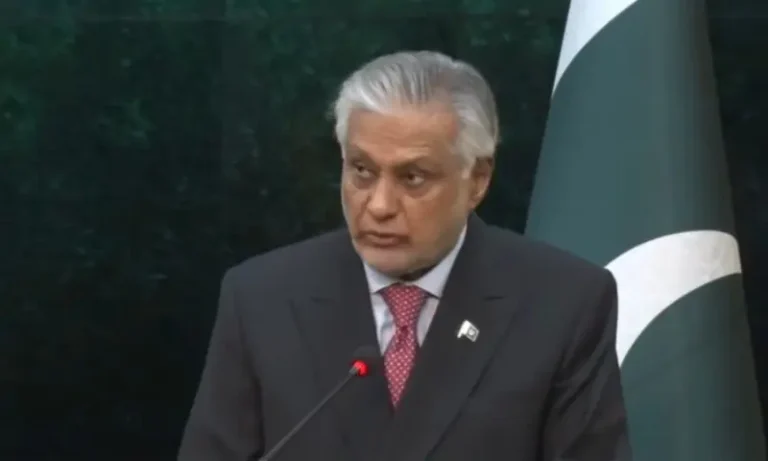
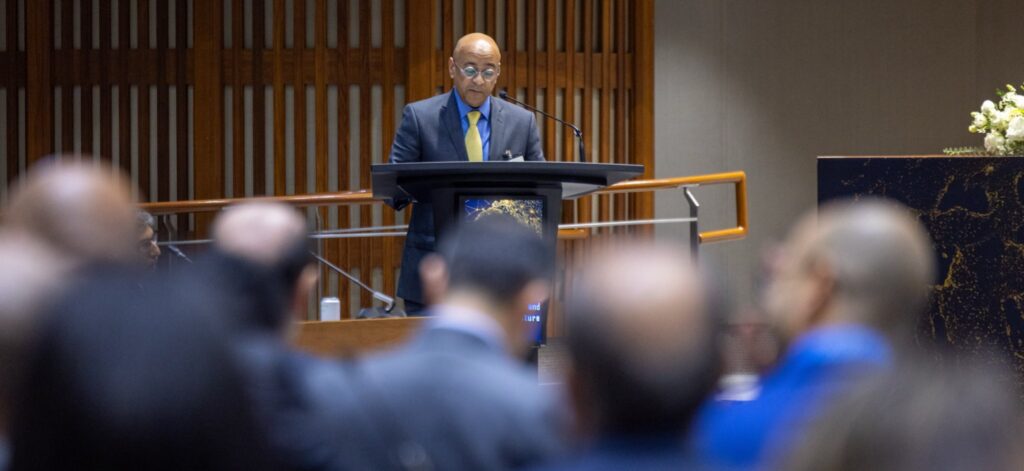
He described economic ties between the two regions as a strategic pillar for investment, digital infrastructure and financial integration. Jasem Mohamed Albudaiwi spoke at the opening of the Gulf-Asia Economic Forum in Bangkok on Wednesday.
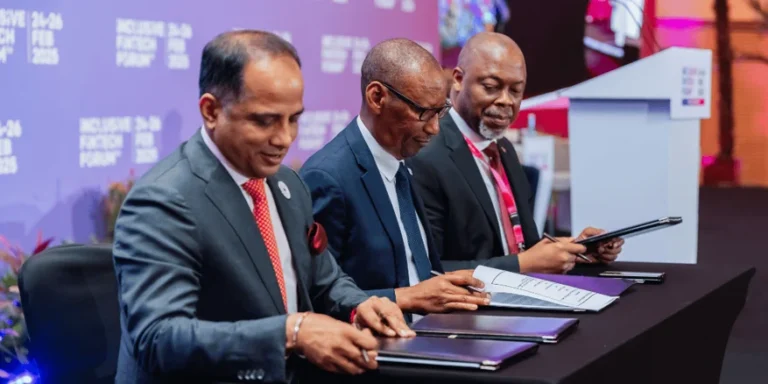
The forum was held under the theme “Banking, Investment and Digital Infrastructure.” It was organized by the Kuwait Banks Association and the Asian Bankers Association, on the sidelines of the 2026 annual meetings of the International Monetary Fund and World Bank Group. Senior officials and representatives of financial, investment and technology institutions from both regions attended.
معالي الأمين العام لمجلس التعاون @jasemalbudaiwi: الشراكة الاقتصادية بين دول المجلس والدول الآسيوية تمثل ركيزة استراتيجية لتعزيز الاستثمارات المشتركة وتطوير البنية التحتية الرقمية والتكامل المالي والمصرفي وتحقيق النمو والازدهار المستدام لكلا الجانبين.
https://t.co/d7xrFyEaXP
#مجلس_التعاون
— مجلس التعاون (@GCCSG) October 14, 2026
Albudaiwi said the global economy is changing fast, with geopolitical developments overlapping with shifts in trade, investment and technology. That, he argued, makes reliable partnerships essential to keeping finance and trade sustainable.
He said GCC economies have shown resilience, supported by strong financial reserves, solid banking sectors and continued diversification and infrastructure development.
He proposed three priority areas for cooperation:
- Logistics and infrastructure: better links between ports and economic hubs, and improved transport and storage networks, to ease trade and make supply chains more efficient and resilient.
- Digital infrastructure and artificial intelligence: more joint investment in data centers, cloud services and advanced technology applications, along with the exchange of expertise.
- Financial and banking cooperation: wider trade and project finance, joint investment platforms, stronger links between capital markets and easier cross-border payments.
The Secretary-General cited figures from the GCC Statistical Center to show the region’s financial weight. Gulf sovereign wealth fund assets are estimated at about $5.2 trillion, and the market value of Gulf financial markets reached about $4 trillion at the end of June 2026. Commercial banks in the GCC held roughly $4.1 trillion in assets over the same period. Gulf central banks’ net foreign assets stood at about $829 billion.
He said these indicators show the bloc can finance long-term investment and lead international partnerships. He also argued that Gulf capital combined with Asia’s industrial and technological capacity could support joint ventures, knowledge transfer and the localization of technology.
Albudaiwi added that Gulf diversification programs are opening large development projects to Asian companies, while Asian markets give Gulf institutions room to expand abroad. He stressed the private sector’s role in innovation and in turning economic initiatives into tangible projects.
He closed by urging participants to turn “opportunities into investments, relationships into projects, and cooperation into shared prosperity.”