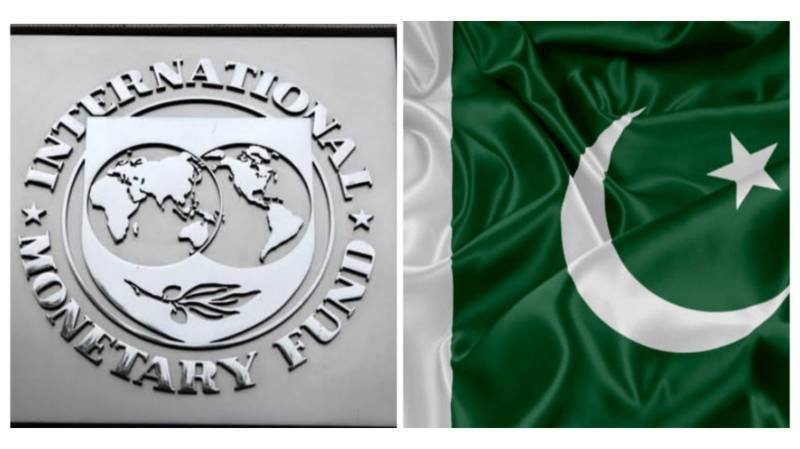
Karachi (TDI): The State Bank of Pakistan (SBP) announced that it has received approximately $1.3 billion from the International Monetary Fund (IMF) on Wednesday.
This significant inflow follows the completion of the third review under the Extended Fund Facility (EFF) and the second review under the Resilience and Sustainability Facility (RSF) by the IMF Executive Board on 8 May 2026.
The funds, totaling SDR 914 million were officially credited to the central bank’s accounts on Tuesday. The records from the SBP show that the disbursement includes SDR 760 million (approx. $1.1 billion) under the EFF and a second tranche of SDR 154 million (approx. $220 million) under the RSF.
The central bank highlighted that these funds will be reflected in Pakistan’s total foreign exchange reserves for the week ending on 15 May 2026. The RSF component is specifically aimed at enhancing the country’s climate resilience and long-term sustainability efforts.
#SBP has received about US$1.3 billion under the IMF’s EFF and RSF programs
The IMF Executive Board completed third review under the Extended Fund Facility (EFF) in its meeting held on 08 May 2026, and approved disbursement of SDR 760 million for Pakistan. Furthermore, the IMF…
— SBP (@StateBank_Pak) May 13, 2026
The current economic strategy focuses on stabilizing the rupee and improving the balance of payments. This latest tranche brings the total disbursements under the current IMF programs to approximately $4.8 billion.
This situation is further involved by the need for disciplined fiscal management to meet the performance criteria set for the remaining months of the 37-month program.
The timely receipt of these funds provides as the cornerstone against external debt obligations and supports investor confidence.
Read More: Pakistan Receives $1.32bn IMF Tranche: SBP
The IMF has stressed that continued progress on these reforms is essential for maintaining the country’s macroeconomic stability. This financial milestone marks a major point in Pakistan’s ongoing economic recovery journey.
The SBP has highlighted that the reinforcement of reserves will help to reduce market volatility and support the central bank’s monetary policy goals.
The successful completion of the third review reflects the international community’s confidence in the government’s economic trajectory.
Pakistan continues to work toward long-term economic resilience through strict adherence to these global financial frameworks and strategic reform agendas.

Muhammad Usman Hashmi is a researcher in International Relations, focusing on climate diplomacy, global governance, and political economy in the Global South. He has contributed to policy dialogues with the Foreign Policy Community of Indonesia and serves as a Senior Research Fellow at the International Council on Human Rights, Peace and Politics. He is also associated with Rethinking Economics Islamabad, contributing to research on development and sustainability.