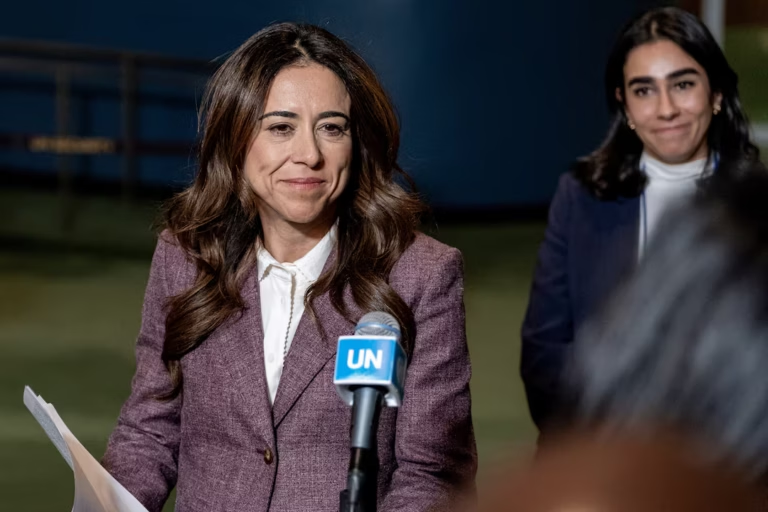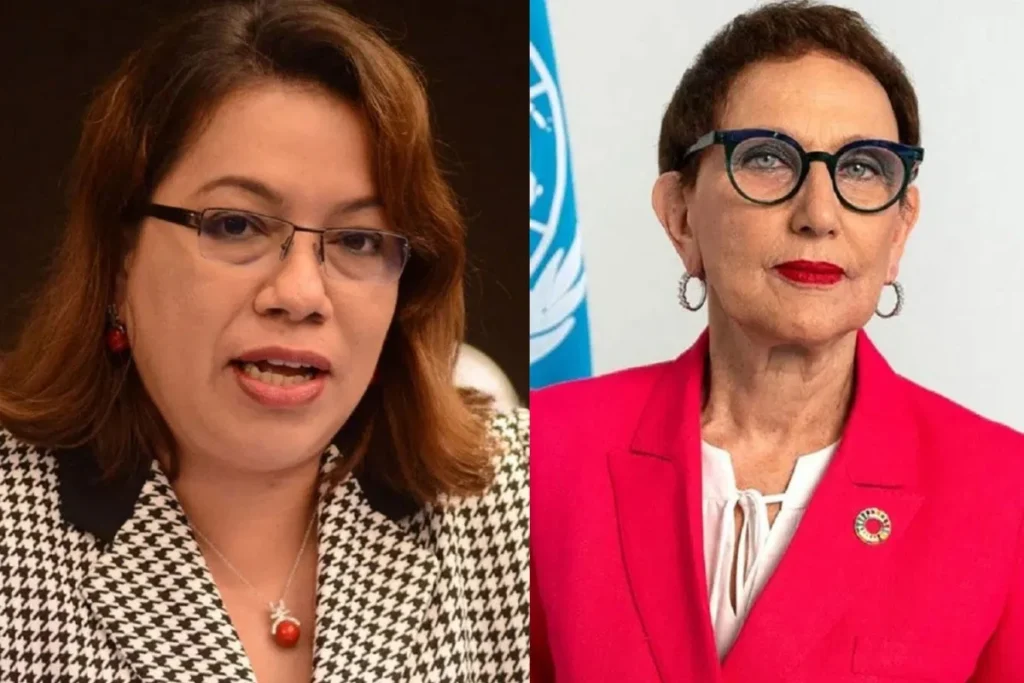
The two candidates are Rebeca Grynspan, the Costa Rican economist who leads the UN Trade and Development agency, and Carolyn Rodrigues-Birkett, Guyana’s ambassador to the UN. Whoever wins will succeed Antonio Guterres when his term ends, with the new secretary general taking office on January 1.
Over the past three days, several UN delegations told the South China Morning Post that Beijing is weighing the two women against each other. The council remains split, and China’s position is seen as potentially decisive.
The same delegations said China has ruled out a third contender, Rafael Grossi, the Argentine director general of the International Atomic Energy Agency.
Grossi is widely viewed as Washington’s preferred candidate. Argentine President Javier Milei nominated him last year.
Read More: Three Women Are in Line to Lead the UN. We Covered their Live Debate
Beijing’s coolness toward Grossi may reflect its strained relationship with the Argentine government. According to the report, China has maintained cordial but cooler ties with Milei since his 2023 presidential campaign, when he called the Chinese government “assassins” and pledged to cut ties in favor of the “civilized side of life.”
In its eight decades, the UN has never had a woman at the helm, despite years of calls from member states and advocacy groups to end that record.
With Latin America widely considered due for the post under the informal tradition of regional rotation, both leading candidates come from the region.
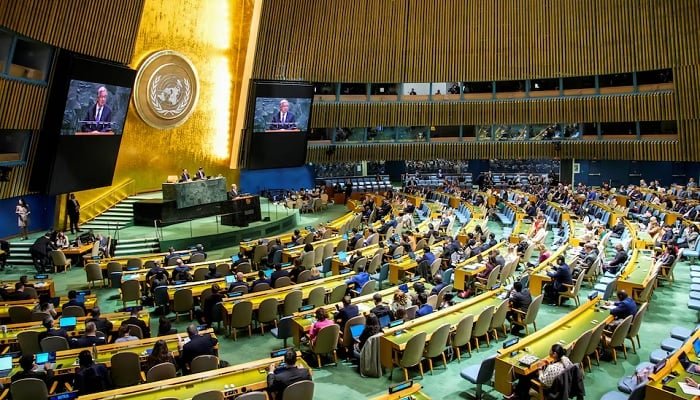
Under the UN Charter, the Security Council recommends a candidate and the General Assembly formally appoints. This gives the council’s five permanent members, China among them, an effective veto over any choice.
Informal straw polls let members signal support or opposition before a formal vote, and they often show which candidates are likely to be blocked.
The outcome of Beijing’s deliberations is not yet known but with Grossi sidelined, the contest has narrowed to two candidates who could each make history.