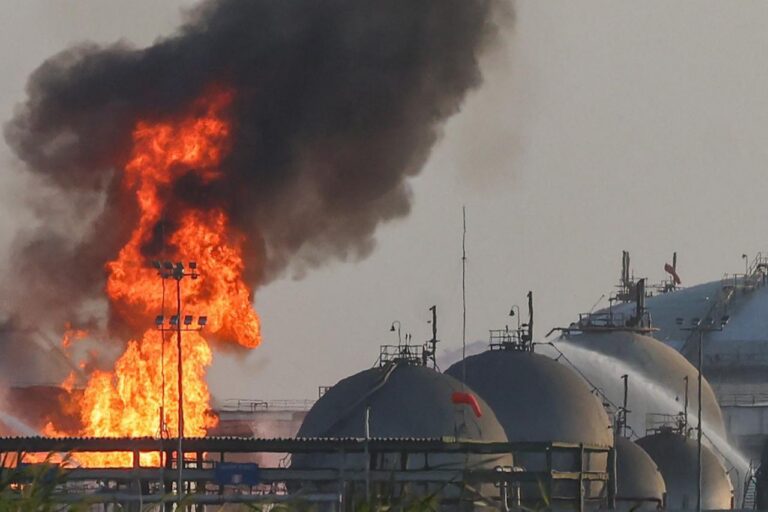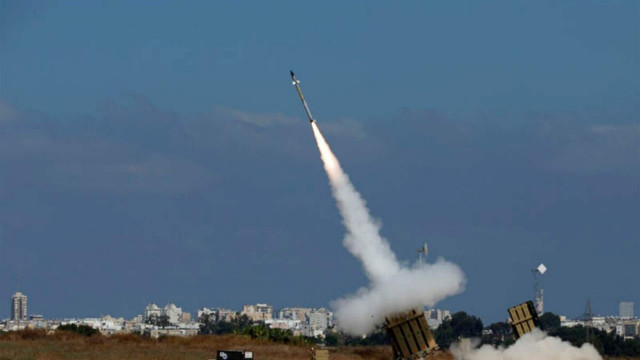
London (TDI): Oil prices climbed on Wednesday after Yemen’s Houthi group claimed responsibility for a missile attack on Saudi Arabia’s largest oil refinery, renewing concerns over potential supply disruptions in the Middle East amid the conflict involving Iran and its regional allies.
Brent crude futures rose $1.48, or 1.3 per cent, to $115.36 a barrel, while US West Texas Intermediate crude gained $1.22, or 1.22 per cent, to $101.12.
The Houthis said on Tuesday they had targeted Saudi Arabia’s largest refinery with a missile, escalating attacks against the world’s second-largest oil producer. Saudi authorities had not immediately confirmed the reported strike on the facility, which has a processing capacity of 550,000 barrels per day.
The latest gains followed a decline of nearly $2 a barrel on Tuesday, when diplomatic developments in the region helped ease concerns about possible disruptions to oil supplies.
However, the reported refinery attack renewed market anxiety over the security of energy infrastructure and the potential consequences of further escalation across the Middle East.
Oil prices also faced pressure from expectations of an increase in US crude inventories. According to a Reuters poll of eight analysts, US crude stockpiles rose by approximately 15,000 barrels in the week ended October 23.
Read More: Houthis Claim Attacks on Saudi Oil Pipeline and Riyadh Airport
Meanwhile, the OPEC+ group of oil-producing countries is expected to maintain its December production targets at a meeting on Sunday, three people familiar with the matter told Reuters.
The expected decision is in line with market expectations, although actual production among most of the seven core members, Saudi Arabia, Russia, Iraq, Kuwait, Algeria, Kazakhstan and Oman, remains below their respective output targets.
The gap between production targets and actual output reflects continuing constraints on supply from several major producers, limiting the group’s ability to increase deliveries significantly in the near term.
Separately, Russia’s crude oil exports from its Baltic and Black Sea ports could decline next month as domestic refineries increase diesel production, traders told Reuters.
The anticipated shift follows a deal between Moscow and Washington earlier this month, according to the traders, although the potential scale of the export decline was not specified.
Read More: Oil Prices Surge to Highest Level Since May as Houthi Attacks, Hormuz Threats Fuel Supply Fears
Market participants are now weighing the risks of further disruptions to Middle Eastern supplies against diplomatic efforts to contain regional tensions, expected changes in US inventories and production decisions by major oil-producing countries.
With energy infrastructure increasingly exposed to regional hostilities, developments surrounding Saudi Arabia and the broader conflict involving Iran and its regional allies are likely to remain important factors influencing oil price movements.