The planet we call home is getting hotter, extreme weather is becoming more dangerous, and the future we imagined for ourselves is slowly changing.
This is the reality highlighted in the “Emissions Gap Report 2026: The Point of Return” by the United Nations Environment Program (UNEP), published on 21 October 2026. And honestly, it is a wake-up call that the world cannot afford to snooze through.
According to the seventeenth edition of the Emissions Gap Report, global warming is expected to exceed the 1.5°C limit set as an important goal under the Paris Agreement. The report looks at a ‘lowest possible’ 1.5°C overshoot scenario, in which peak warming by around the middle of the century is limited to 1.7-1.8°C and temperature rise world over is returned to or below 1.5°C by 2100, with about a 50 per cent chance.
UN Secretary-General António Guterres in his message on the report said “The New Emission Gap Report from the United Nations Environment Program shows us what it will take: Cutting global greenhouse gas emissions by 18 per cent by 2030 and 45 per cent by 2035 – compared with 2025 levels.”
Read More: Green Bonds Can Unlock Finance for Climate-Resilient Farming, FAO Says
Meanwhile, current government climate pledges fall far short of these targets. If existing policies continue, global temperatures could rise by approximately 2.8°C this century. That is a massive difference from where we need to be. In simple words, promising to protect the planet is not the same as actually protecting it.
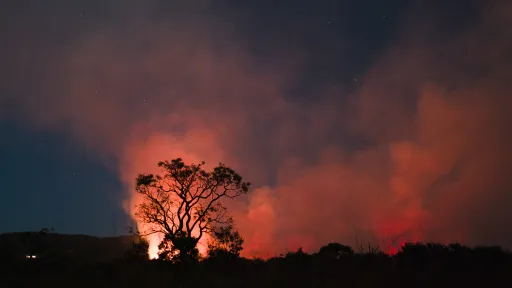
Climate change is not just about melting ice caps or polar bears losing their homes. It affects our food, water, health, economies, and everyday lives. Rising temperatures increase the risks of dangerous heatwaves, floods, and wildfires, while putting additional pressure on communities already struggling with environmental challenges.
For countries such as Pakistan, where communities face serious risks from extreme heat and devastating floods, the global climate crisis is especially concerning. Climate change does not respect borders, and its consequences do not wait for governments to finish debating their next policy.
The report also highlights something important: even if countries fulfil their existing climate pledges, warming could still reach around 2.6°C. This means that doing the bare minimum is simply not enough.
Our Future Is Not Written in Stone
The report explains that humanity can still limit the damage and potentially return to this temperature threshold by the end of the century. But there is a catch: we need to act quickly.
UNEP highlights the progress made in renewable energy, particularly solar and wind power, alongside climate policies that have successfully reduced emissions. Global renewable electricity capacity has grown faster than previously anticipated, showing that change is possible when governments and industries take action.
However, these successes need to become the norm rather than the exception. Governments must strengthen climate policies, reduce dependence on fossil fuels, protect forests, and invest in cleaner energy. Businesses also need to take responsibility for their environmental impact.
Read More: Why and How South Asian Youth Must Lead the Climate Fight
As individuals, we can contribute by reducing waste, conserving electricity, and making more sustainable choices. But let us be realistic: individual action alone cannot solve a global crisis. Strong policies and large-scale changes are essential.
The biggest lesson from this report is that exceeding 1.5°C is not an excuse to give up. Instead, it is a reason to work harder to limit warming and reduce its consequences. We often hear that young people are the future. But what kind of future will we inherit if today’s decisions continue to ignore tomorrow’s consequences?
The clock is ticking, but the story is not over. We still have the opportunity to change its ending. Saving the planet might sound like a superhero’s job, but this time, the real heroes need to be governments, industries, communities, and all of us working together.
After all, there is no Planet B waiting in the wings. We have one home, one shared future, and one very important question: Will we act before the warning becomes a catastrophe?
*The views presented in this article are the authors’ own and do not necessarily reflect the views of The Diplomatic Insight.*

Ammaz Akram
Ammaz Akram is a student with hands-on experience and interest in curating content and campaigns for environmental and social-impact organizations. He can be reached at [email protected]