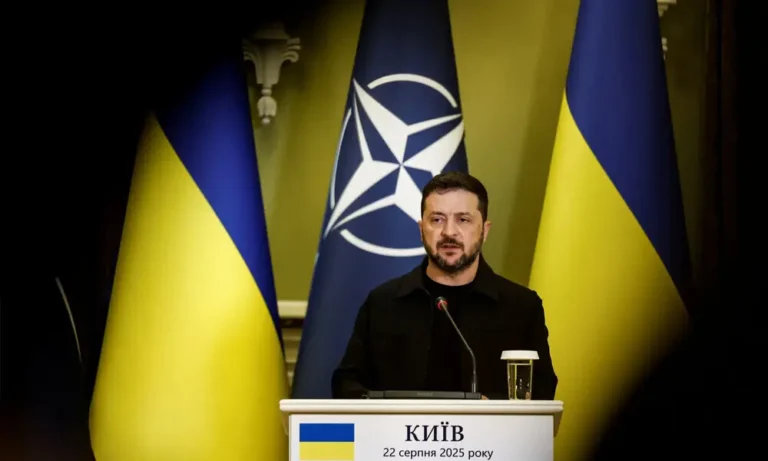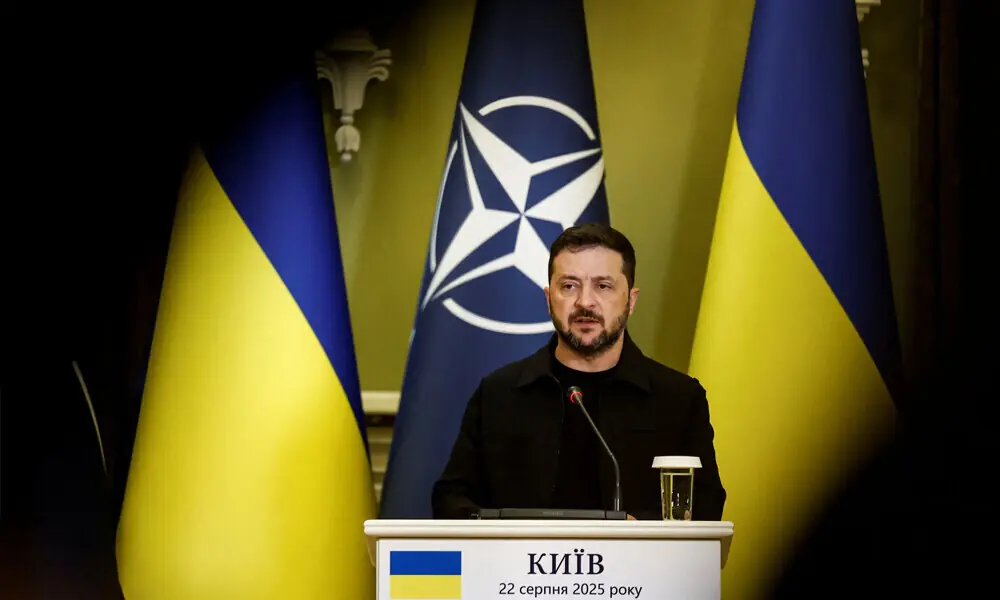
Kyiv (TDI): Ukrainian President Volodymyr Zelenskyy has urged European Union leaders to begin Ukraine’s accession process immediately, saying the “time is right” for Kyiv’s full integration into the bloc and rejecting proposals for limited associate membership without voting rights.
In a letter, Zelenskyy said an associate membership model would leave Ukraine “voiceless” within EU institutions and prevent it from effectively advancing its national interests at a critical moment in the war with Russia.
The Ukrainian president argued that only full membership would ensure meaningful political participation, especially as EU decisions increasingly shape security, economic support and reconstruction planning for Ukraine.
The debate comes as Ukraine intensifies its push to join the EU following political changes in Hungary, where former Prime Minister Viktor Orban, previously a key blocker of Kyiv’s accession, was ousted in parliamentary elections last month, easing a long-standing diplomatic obstacle.
Orban’s government had repeatedly used its veto power to delay Ukraine’s membership talks and block certain EU assistance packages, making enlargement one of the most contentious issues inside the bloc.
Read More: German Chancellor Proposes EU Associate Membership for Ukraine
Zelenskyy’s appeal reflects Kyiv’s broader strategy to lock in long-term Western alignment while the war with Russia continues, with Ukraine viewing EU membership as central to its future economic recovery and security architecture.
The Ukrainian leader also reiterated that battlefield developments continue to shape diplomatic dynamics, saying Ukraine’s military has reclaimed nearly 600 square kilometres of territory since the beginning of the year, while continuing operations against Russian infrastructure.
He said pressure on Russian forces, combined with international sanctions, was gradually pushing Moscow toward negotiations, although fighting remains intense across multiple fronts.
Ukrainian officials also reported continued strikes on Russian energy and industrial facilities, including targets deep inside Russian territory, as part of efforts to weaken Moscow’s military supply chain.
Read More: Hungary Signals EU Realignment Under New Leadership
Meanwhile, Russia has accused Ukraine of attacks on civilian infrastructure in occupied territories, claims Kyiv has denied, saying its operations are directed exclusively at military targets in line with international humanitarian law.
The war, which began with Russia’s full-scale invasion of Ukraine in 2022, continues to drive geopolitical tensions across Europe, with EU enlargement now emerging as a central political and strategic issue alongside battlefield developments.