Manila (TDI): The Asia Clean Energy Forum (ACEF) 2026 is set to take place from 8 to 11 June at ADB headquarters in Mandaluyong City, Metro Manila.
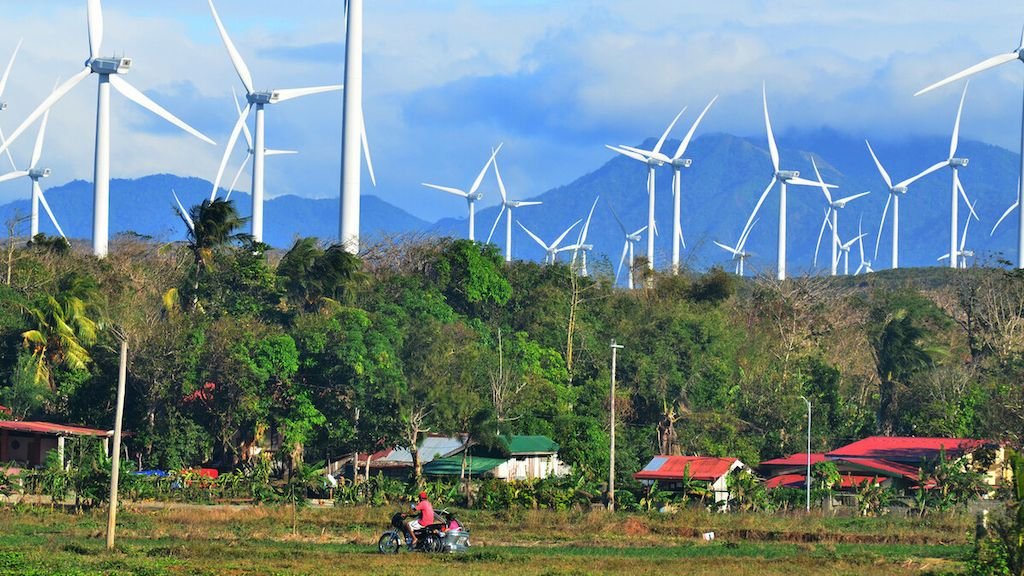
Running under the theme Beyond Transition: Building Secure, Resilient, Inclusive, and Intelligent Energy Systems, the event will focus on making energy transition systems more sustainable and resilient.
Economic growth across Asia and the Pacific is projected to slow to 4.0% this year, while more than 400 million people still lack reliable energy access.
Rising geopolitical tensions and disruptions to global trade are adding further strain on energy supply chains that many economies in the region depend upon.
#ACEF2026 is coming to ADB’s Headquarters in Manila this June.
The event will bring together governments, the private sector, financial institutions, academia, and development partners to tackle the region’s most pressing energy challenges.
Learn more: https://t.co/AsgsTpZH63 pic.twitter.com/hSRUjVJVGl
— Asian Development Bank (@ADB_HQ) May 23, 2026
This year’s edition coincides with the ADB’s 60th anniversary and will reflect the bank’s updated energy policy, adopted in 2025, which places greater emphasis on security and inclusion alongside decarbonization goals.
Discussions will be organized around four thematic tracks. The first will examine how diversified energy sources and stronger infrastructure can support long-term economic growth.
The second focuses on resilience; equipping energy systems to absorb and recover from shocks, with sessions on public-private partnerships, regulatory reform, and predictive technologies.
Read More: Middle East Turmoil Dims Asia-Pacific Growth Outlook
The third track takes up the question of equity, exploring how energy planning can better incorporate the voices of marginalized communities and address persistent access gaps.
The fourth will look at intelligent systems, including smart grid integration, AI-driven analytics, and decentralized energy models.
The forum will draw together governments, private sector actors, financial institutions, academia, civil society organizations, and development partners from across the region and beyond.
The event is co-organized with the Korea Energy Agency and receives donor support from the governments of the United Kingdom, Japan, Canada, Spain, Sweden, Australia, New Zealand, and Austria.